
October 5, 2026



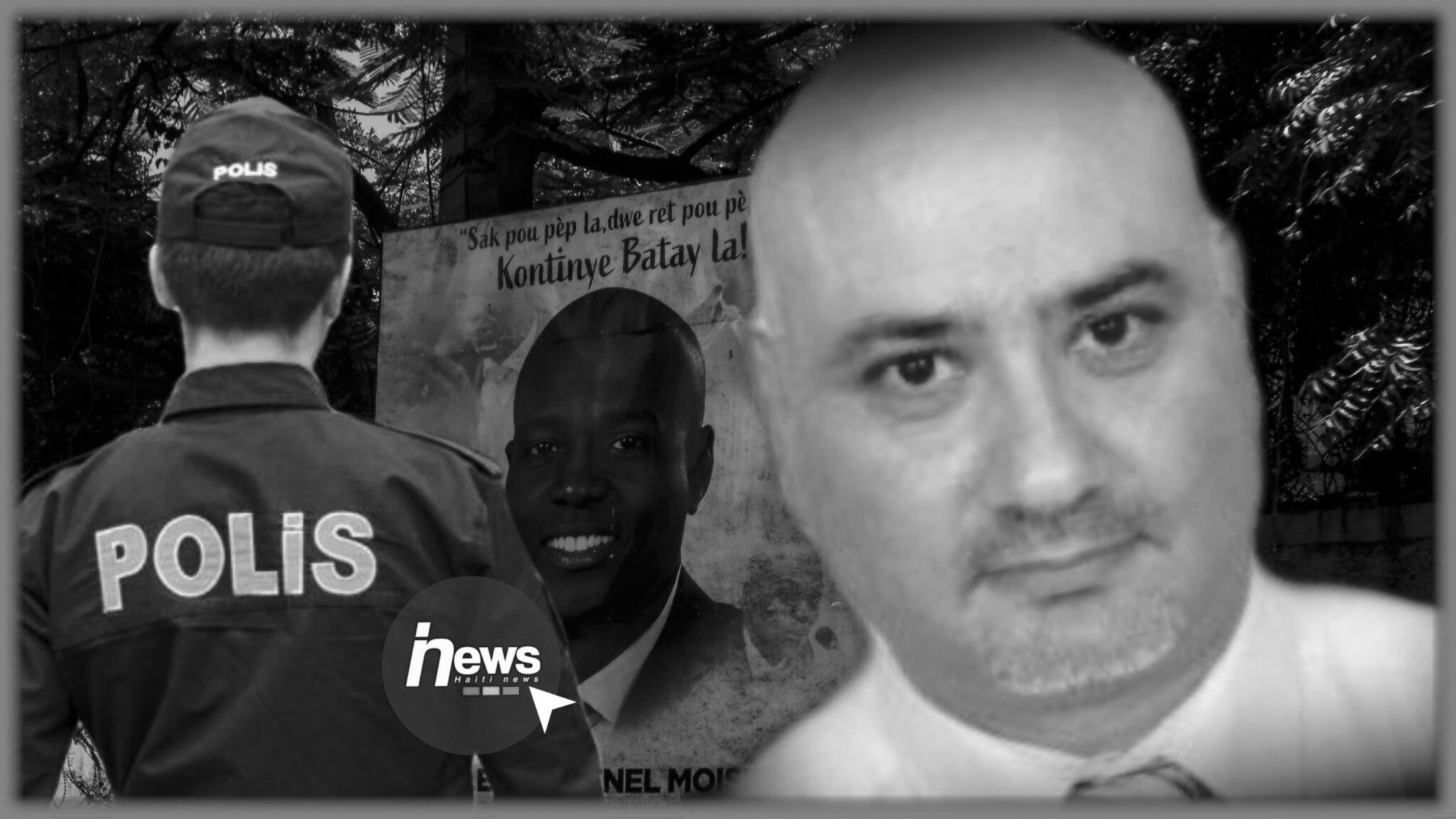
Federal justice in Miami denied bail on Monday, September 28, 2026, to Samir Handal, accused of providing logistical and financial support to the plot that led to the assassination of Haitian President Jovenel Moïse. Prosecutors notably charge him with providing housing, food, fuel, weapons, and equipment to participants in exchange for the prospect of an ambassadorial position if Christian Emmanuel Sanon came to power.
The request for release, accompanied by a $1 million bond and home confinement, was rejected by Judge Eduardo Sanchez. The defense disputes that Handal had knowledge of the assassination plot, but the court ruled that his financial resources, international ties, and flight risk justified his continued detention.
In the same proceeding, the magistrate also ordered the continued detention of Victor Albeiro Pineda Cardona, a former member of the Colombian special forces accused of participating directly in the attack against Jovenel Moïse. Transferred to the United States on September 20 after more than five years of detention in Haiti, he pleaded not guilty to the charges against him.
According to prosecutors, Pineda was one of three Colombians who opened fire on the head of state and severely injured his wife, Martine Moïse, on the night of July 6–7, 2021. The prosecution relies notably on witness testimony, a tactical vest bearing his alleged nickname, and statements indicating he claimed responsibility for participating in the attack.
The defense challenged these elements, emphasizing the absence of video footage, DNA evidence, fingerprints, or geolocation data placing Pineda at the presidential residence. The judge nonetheless cited the severity of the charges, flight risk, and potential life sentence to justify his incarceration, while the hearing for Joseph Félix Badio was postponed to October 14 due to a potential conflict of interest regarding his attorney.