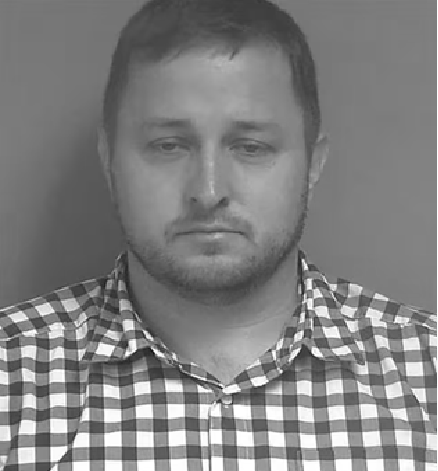
September 18, 2026

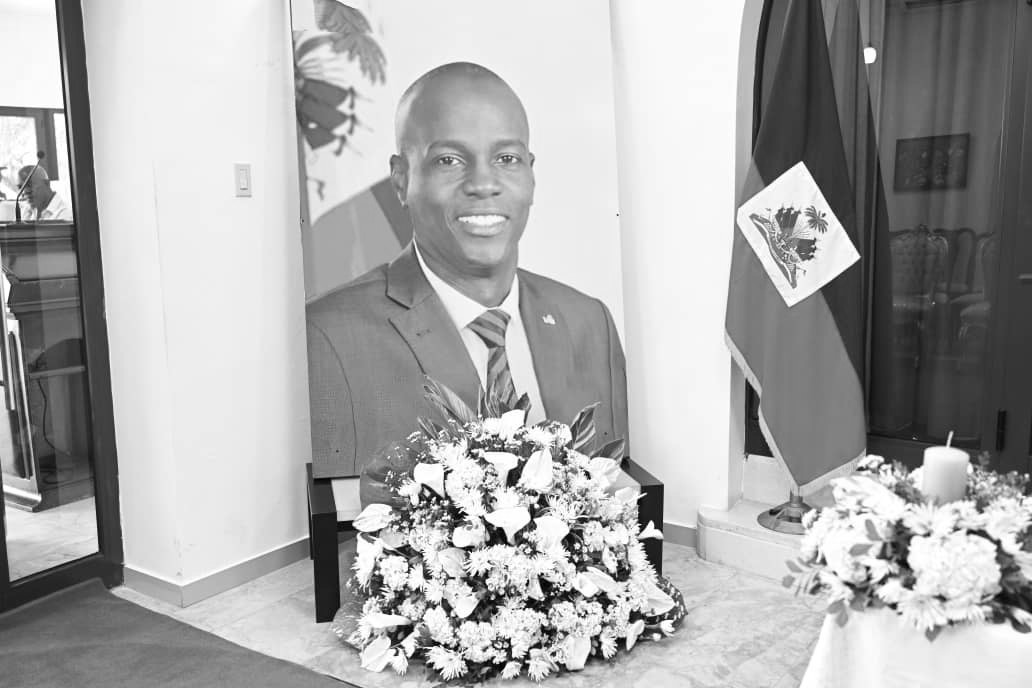
Five years after the assassination of President Jovenel Moïse, on July 7, 2021, the fundamental question remains unanswered: who ordered this state crime?
Despite arrests and trials in the United States that have convicted several perpetrators, the investigation in Haiti is stalling. Haitian judicial authorities, weakened by chronic instability, have failed to establish the chain of command. Key suspects remain at large.
The absence of a decisive trial on national soil fuels speculation. For many observers, this impunity is symptomatic of a failing rule of law. It feeds a deep sense of abandonment within the population, which sees the assassination of its president become the symbol of a justice system incapable of shedding light on the most serious crimes, leaving a toxic doubt hanging over the true masterminds.