March 15, 2026



The resignation of Prime Minister Ariel Henry has pushed Haiti toward worsening political turmoil which magnifies an already unstable national crisis. Haiti faces an institutional crisis after his departure from office because he exited the prime ministerial role at a time when public anger continued to grow while gang violence intensified and the economy fell into deteriorating condition.
The absence of leadership in Haiti creates increasing fears regarding public security and democratic stability as well as administrative control of the country. This note examines Henry’s departure after his resignation and investigates the reasons that led to his departure as Haiti battles to achieve political equilibrium.
Ariel Henry became Prime Minister of Haiti just weeks after Jolene Moiré’s assassination caused the nation to be without leadership during a time of extreme shock. The Haitian people doubted Henry’s leadership as Molise nominated him barely before his assassination. He presented his intention to direct Haiti toward free elections combined with steps for restoring peace in Haiti.
The administration of Henry faced constant problems throughout his time in office. Henry faced continuous delays in elections followed by parliamentary dissolution through missed deadlines so he ruled Haiti by issuing decrees instead of legislation.
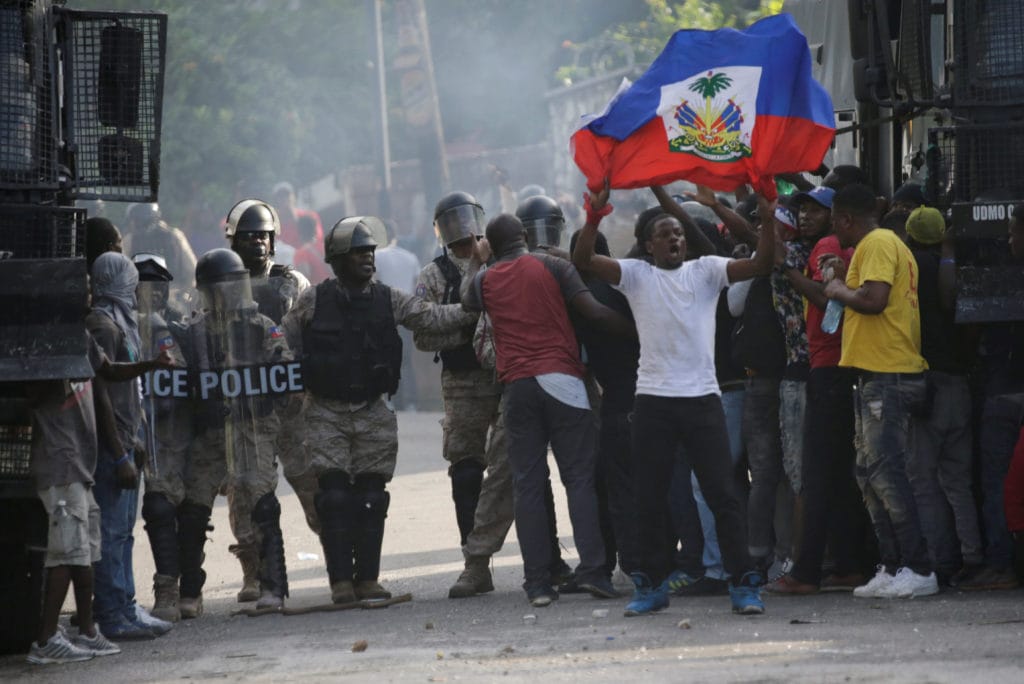
The executive had full control of power since executive branch autonomy surged after the legislative branch failed to function alongside a weak judiciary system. The centralization of power under the presidency led citizens to increasingly protest against the government because it failed to stop the worsening security issues and humanitarian emergency throughout the nation.
Henry made his resignation decision after experiencing continuous pressure from both international organizations and his domestic audience. The main catalyst triggering his resignation was the explosion of gang violence which sealed Port-au-Prince under lawlessness.
Organized criminal groups took over essential urban areas across the city such as transportation routes and seaports and police installations leaving significant parts without law enforcement. Public trust in Henry declined because the state lacked capability to stop increasing security threats.
The government faced criticism for its austerity measures because it failed to offer sufficient assistance to people burdened by poverty along with inflation while lacking basic service access.
The international community put pressure on the situation. The United States along with the United Nations and Caribbean Community (CARICOM) intensified their public statements demanding Haiti should have a transitional government to organize elections. The severity of Haiti’s crisis eventually forced Henry to step down even though he first refused to resign on the basis of unavailable preferable leadership options.
After Henry left office Haiti faces an unstable future marked by political doubt. The country exists without a functioning president simultaneously with an empty parliamentary seat accompanied by an unclear method for determining leadership succession.
Plans for a transitional council established by international and regional allies struggle to gain acceptance and recognition from Haitian stakeholders for their role in selecting a new prime minister and election organization.
The absence of political stability gives armed groups as well as criminal networks more space to grow their domains. Local gangs now function as unrecognized government authorities which supply local administration alongside state-required services because national authorities have left the region unguarded. When such developments take place it worsens state authority loss thus making it harder to restore public trust in governmental institutions.
Furthermore, the absence of a legitimate, functioning government undermines international aid and reconstruction efforts. Political recognition from foreign governments becomes uncertain because there exist no officially certified representatives of the Haitian nation.
The general Haitian population displayed an indecisive attitude toward Henry’s resignation from power. Many Haitians support the President’s resignation as a path toward national transformation since his departure might bring forth better governance that includes more people. Some citizens show doubts about whether the forthcoming leadership transition will become a victim of corrupt elite or criminal elements.