March 15, 2026

Criminal gangs now control massive sections of Haiti therefore the country exists in an uncontrollable state of lawlessness. In the battle against increasing threats the Haitian National Police (PNH) faces heightened firepower challenges while dealing with limited resources. The state institutions have become incapacitated by gang violence leading Haiti into both human rights and national security breakdowns.
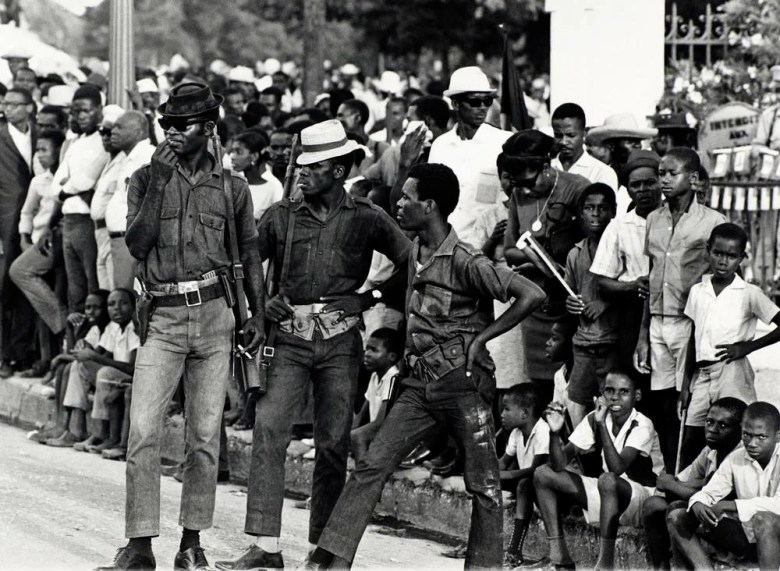
International concerns have emerged because of failed state control of gangs which led to global news coverage calling for immediate intervention. This academic document analyzes both the dimensions of the violence challenge and the key elements causing police inefficacy before proposing effective approaches for controlling the escalating crime.
The Rise of Gang Dominance
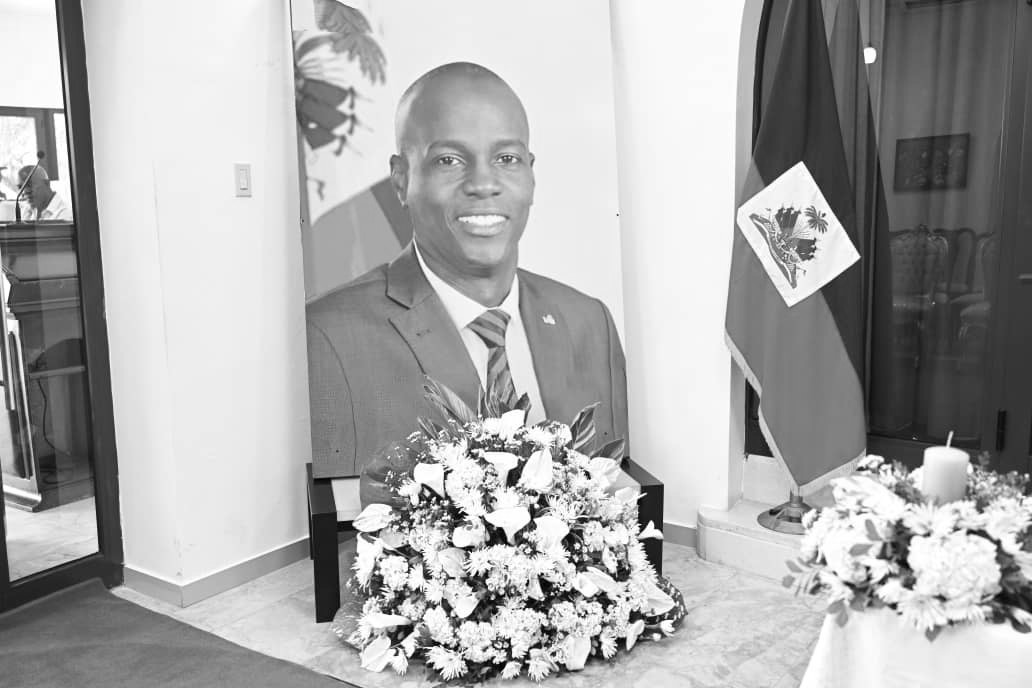
After the assassination of President Juvenile Molise in July 2021 the country experienced an exponential increase in gang activities. The vacuum of power and institutional breakdown became an opportunity for organized criminal organizations to increase their dominance throughout different territories.
The control of more than 80% of Port-au-Prince by gangs has become an established fact according to available reports. Heavily armed criminal organizations attack police stations and government facilities and critical infrastructure bases as ordinary residents suffer from their gunfire.
Current gangs in Haiti surpass the past disorganized criminal groups because their structure resembles professional military command units that outperform police forces in terms of organization and armament.
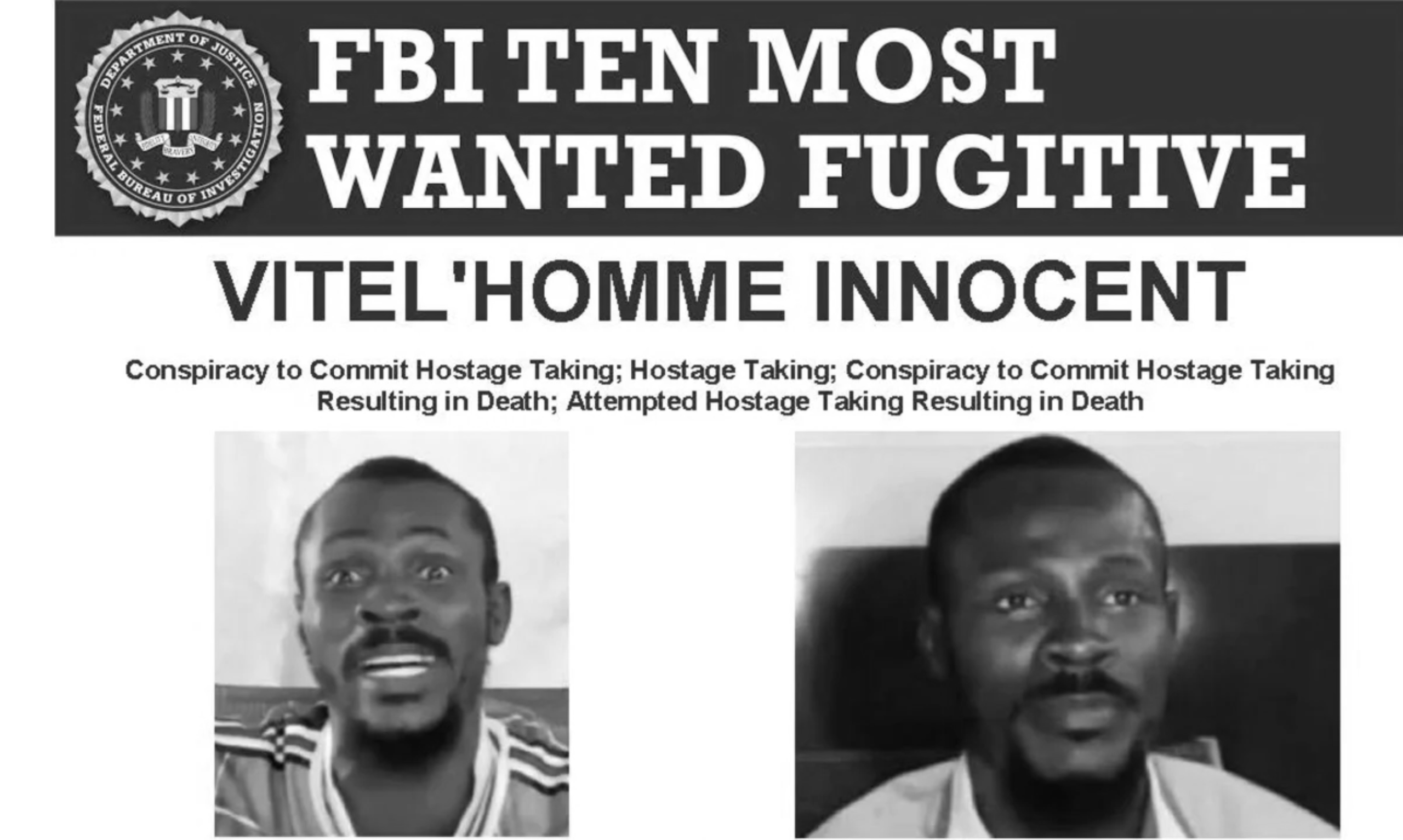
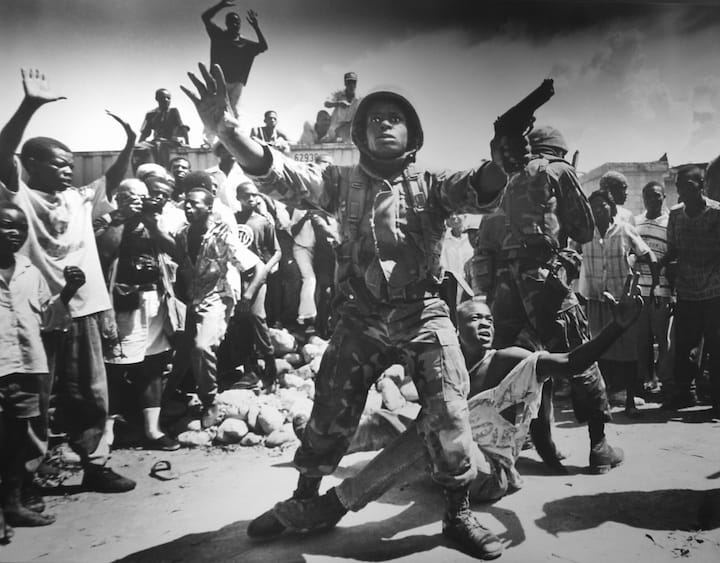
Through the acquisition of imported assault rifles and drones and military-style vehicles from foreign sources gangs have established an organized force that targets both their enemies and the Haitian state personnel. They prevent public routes while combing through stolen items and use terror tactics to threaten residential areas by demanding money from citizens or conducting hostage operations as businesses.
The Haitian National Police suffers from poor effectiveness due to its insufficient budget and poor training and lacking equipment provision. The patrol vehicles used by police officers show signs of age while their equipment remains outdated and they lack essential communication systems.
The thủvuçianal spirit of officers sinks low while both physical threats to their families and psychological threats demobilize them from initiating strong enforcement action.
The police force has many officers who take bribes from gang members based on extensive reports of their corrupt behavior. Popular trust in law enforcement has weakened because of this situation while simultaneously breaking down the essential foundations of law enforcement. The ineffective partnership between different law enforcement agencies creates obstacles for executing strong operations against gang control areas.
The Haitian police force lacks enough officers who protect 11 million citizens with only 9,000 active members. Gang activities control every part of numerous rural areas because these territories lack any police force. Gang-controlled urban areas compel police units to evacuate their posts when subjected to intense fighting.
Political instability together with government corruption and neglect has damaged the Haitian state infrastructure over many years. Criminal organizations gain recruits because governments have not established lasting solutions for poverty as well as unemployment and social inequality across the country. The low strength of the judiciary results in many arrests that fail to become prosecutions since both case management challenges and judicial intimidation exist.
People from the general population have lost confidence in law enforcement in addition to their trust in state authorities. The police force continues to use violence against civilians while documented incidents show innocent people perishing from operations.
The deteriorating police-community relationship because of worsening police-violence cases has pushed many residents to seek protection from gangs as well as their essential needs.
Gang violence now drives tens of thousands of people to become displaced from their homes. Prior areas which people deemed secure have transformed into active war zones.
Close proximity between fighting gangs frequently compels organizations like hospitals and schools to suspend their operations leading to cut-offs of essential needs. Gangs frequently stop humanitarian aid operations while also stopping aid convoys because they require financial payments.
People who reside in areas controlled by gangs face extreme difficulty conducting their regular activities. Disruptions in safety force children to stay away from school and multiple health centers became targets of thieves who destroyed many facilities.
Pregnant women along with individuals who suffer from chronic medical conditions risk fatal delays when trying to access proper healthcare. The factors weighing on Haiti’s little-stable healthcare system cause it to dangerously approach failure.
International Responses
The current crisis has sparked worldwide alarm especially from representatives of the United Nations and members of the Caribbean Community and the United States. A Kenya-led multinational security mission achieved UN approval to give assistance to the Haitian police forces yet logistical challenges and political barriers persist.
Remain. Many believe this intervention is needed yet some continue to disagree about its impact on both foreign meddling and previous unsuccessful Haiti interventions.
International NGOs have increased their activities in Haiti by delivering emergency food and medical care as well as psychosocial support services. Security threats remain an obstacle which blocks humanitarian workers from reaching communities who emerged most severely affected. These relief efforts remain destined to become short-term measures instead of lasting solutions because there is no stabilizing force.
The Haitian National Police requires better funding as well as training and anti-corruption measures to form the basis for any sustainable solution. Throughout international support programs the goal should remain to establish accountable institutions along with developing their institutional capabilities. Police officers need proper tools and sufficient backing to perform their tasks without facing any backlashes.
Exclusive reliance on police force cannot defeat gang violence effectively. Programs which target poverty sources and other fundamental criminal behavior causes need to run alongside this approach.
Older individuals and families need government funding for better social programs and job services and quality infrastructure to keep children away from gang membership.
For Haiti to achieve stability it needs democratic institutions through free election processes. A stable political environment will serve as the base which supports security and public administration reforms to proceed.
Public confidence at home and foreign support abroad would both increase through governmental transparency backed by accountability.
Haiti is at a crossroads. The sheer power of gang armies has paralyzed the national police forces throughout many regions leading the government to the threshold of statewide crisis.
The nation stands at a critical juncture requiring structured international backing together with concentrated governance system restructuring coupled with sustained dedication to advancement. The strong-minded Haitian population has proven their resilience multiple times before and their future success against violence depends on proper partnerships and assistance.