
March 15, 2026



Haiti continues to experience one of its worst economic crises in history despite its long history of enduring natural disasters and political problems and poor economic management. Inflation rates exceeding 30% have caused an unprecedented increase in daily expenses that drives an immense number of people toward desperate poverty levels.

Multiple national crises combine to paralyze the country because they include soaring inflation rates together with rising crime rates with political instability and declining infrastructure quality. Such high inflation rates demonstrate the fundamental economic problems that run throughout Haiti’s economy because it directly impacts the daily lives of Haitian citizens.
Many Haitians now find bread and rice alongside fuel to be unaffordable necessities for their households. The combination of rising prices with static incomes leads to rapid decrease in household capabilities to buy food and pay for education and healthcare costs. Recent high inflation rates exist as a result of multiple economic issues beneath the surface.
Inflation reached more than 30% in Haiti becoming one of the highest rates across the Western Hemisphere. This extreme inflation emerges from ongoing factors which led to its development. The value decline of Haitian gourds against US dollars creates an increased expense for imported items that remain Haiti’s primary source of supply.
Food security in this nation faces disaster because it obtains more than 60 percent of its food from imports despite its declining currency value. Reports show the standard food basket costs have increased by more than 40% throughout the past year
The healthcare system stands affected due to unavailable medical supplies as well as unreasonably expensive medication. The rising fuel prices have caused transportation costs to escalate which pushes household budgets into strain and limits access to employment options and educational institutions and medicine.
The economic crisis has impacted businesses by creating extreme increases in operating costs while driving down purchasing capacity of consumers Gang criminal activities together with growing insecurity have created total economic stagnancy across the nation.
In Haiti has triggered a dangerous surge in gang violence throughout the country. The armed groups rule 80% of Port-au-Prince capital city and their dominance extends across streets and residential areas and vital facilities including marine ports and petroleum supply terminals.
The combination of roadblocks with kidnappings and interrupted supply chain operations leads to complete breakdown of movement for goods and people. An impoverished population suffers from the gang-imposed payment obligations businesses and residents must pay as taxes.
International and local investors show reluctance to make investments because the public safety crisis has damaged investor trust. The reduction in economic operations has become severe because numerous enterprises either reduced operations or completely closed their doors
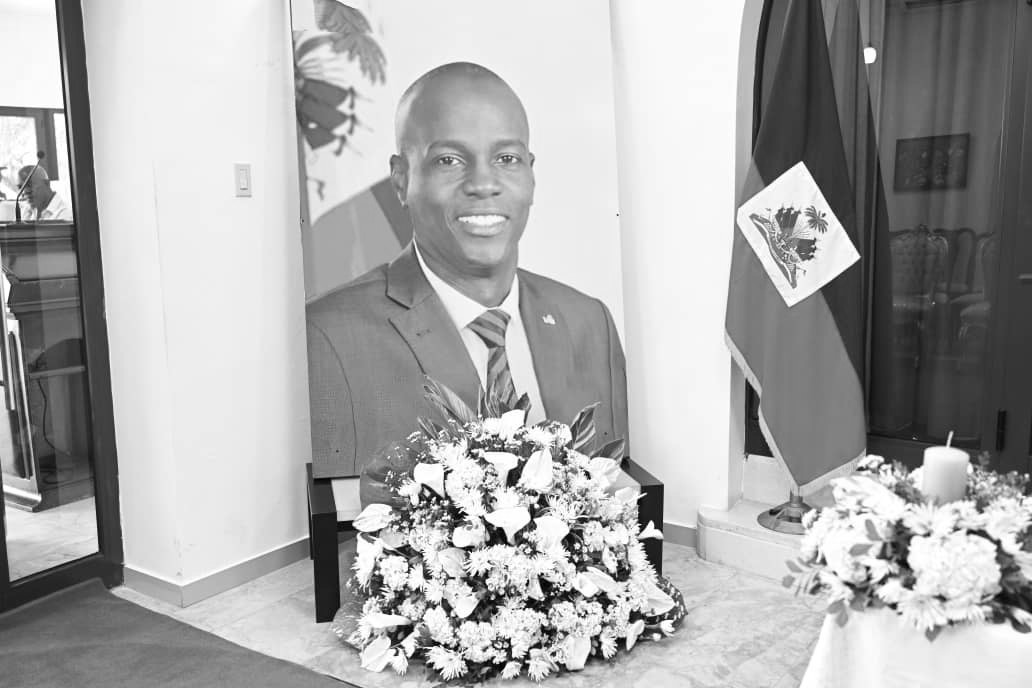
The economic difficulties Haiti faces stem from its ongoing political instability combined with profound corruption problems throughout the country. The assassination of President Juvenile Moose started a long-lasting political power vacuum in Haiti which remains unresolved.
The country faces major economic challenges since different groups fight for power while leadership remains unclear thus delaying the development and implementation of unified economic strategies.
Government corruption operates from top to bottom which drives away vital funds designated for infrastructure development the reduction of international aid funding became possible because of concerns about both healthcare services and public services failures and mismanagement and misappropriation of funds
The financial downfall has resulted in a complete disaster across civil society. International organizations document that hunger afflicts 5 million Haitians along with 1.5 million who dangerously approach starvation. The trafficking structures that control many parts of Haiti have forced numerous hundred thousand people from their homes yet they must now seek meager housing in dangerous informal encampment.
The healthcare system faces an overwhelming situation because it lacks medical hardware and staff as well as basic medical supplies. Child malnutrition rates keep increasing as the population lacks clean water and suitable sanitation facilities.
Human rights organizations have observed an aggravation of gender-based violence and exploitation together with abuse specifically occurring in displacement camps. Large-scale psychological trauma afflicts the population while people experience a deepening spirit of despondency.
The current crisis in Haiti causes the most harm to its children as they have limited access to education and essential health care despite insufficient nutrition.
The international community demonstrates limited mobilization towards Haiti’s deteriorating emergency situation without reaching the magnitude of the challenge. The United Nations and various non-governmental organizations delivered food aid together with medical services and logistics support though constant violence and corruption obstructs successful distribution.
A UN-approved international security force led by Kenya hopes to return order to the country despite experiencing logistical delays with its deployment. International financial institutions including the IMF and World Bank consider providing assistance to Haiti subject to governance reforms that the country has not started to enact. Moreover, donor fatigue and geopolitical
Recovery can happen against all appearance of hopelessness. The recovery of Haiti requires a detailed strategic plan which focuses on strengthening institutions and promotes accountability together with capability to build resilience. The rebuilding effort of institutions must have coordinated direction from political leaders together with civil society organizations and international community groups.
Proper enforcement of anti-corruption efforts and transparent practices will allow the public to trust the effective usage of both aid and resources. The creation of a national recovery plan that invests in agriculture and local industries would both decrease dependency on imported goods and provide job opportunities for the nation.
The future generation can obtain sustainable development competencies through improved educational instruction combined with vocational training programs. Security sector reform remains vital for depriving gangs of their operation networks while rebuilding the legal system.
Every recovery initiative should center on placing Haitians at its core because they possess both strength and resourcefulness. The path to stability and prosperity for Haiti can only be achieved through listening to the population and fulfilling their requirements.
The economic collapse of Haiti serves as an uncomfortable truth about what occurs when authorities fail to address political inefficiencies while ignoring violent forces alongside social pattern inequities. National distress manifests through inflation exceeding a 30% rate which exceeds its economic definition.
Recovery needs work which will take time but such essential steps are needed in this moment. The international community should avoid any shift toward deserting Haiti during its critical hour. Through determined blockade with both lasting support and compassionate action the country can emerge from its dark period.

National leaders of Haiti must step forward to serve their country before pursuing individual gains or advantages. The urgency for immediate action has become essential because further lives lost and destruction of the nation’s future stability will create irreversible damage.