
August 3, 2026





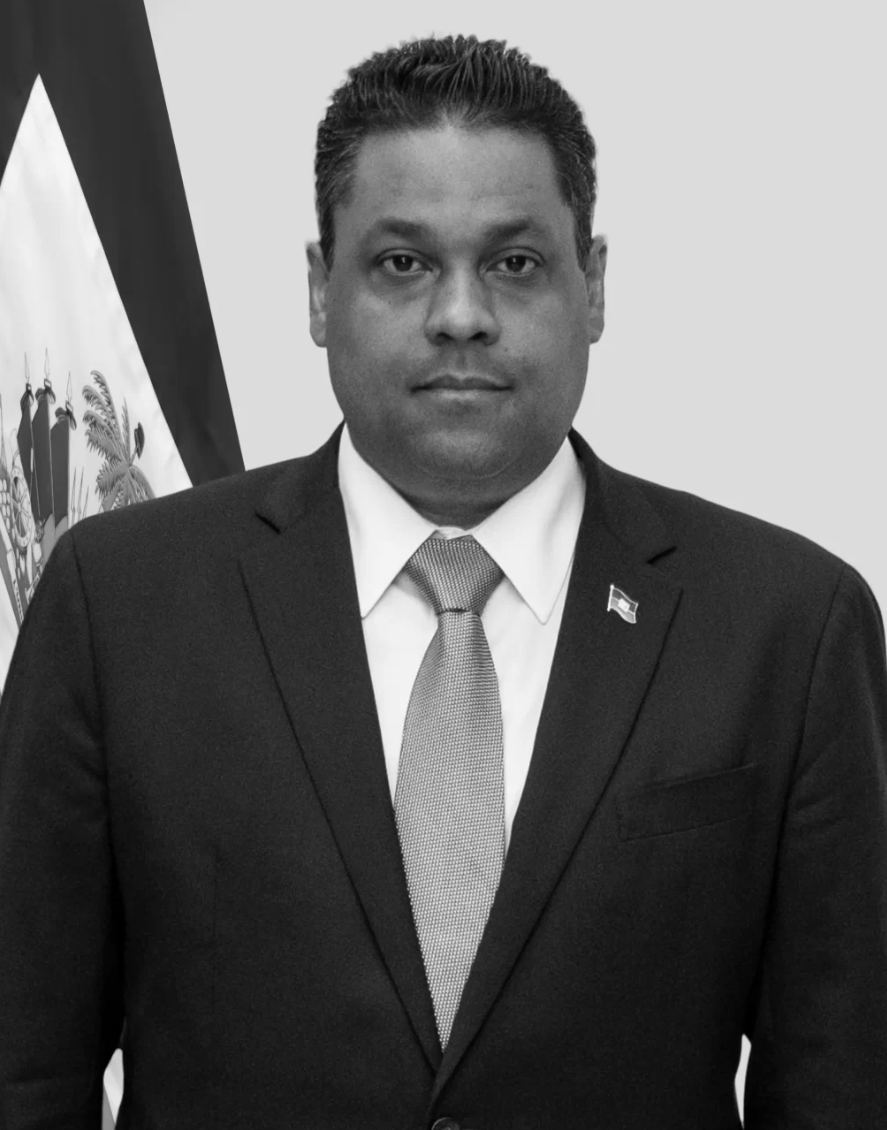
The President of the Transitional Presidential Council (TPC), Laurent Saint-Cyr, has issued a solemn appeal to his colleagues, firmly rejecting efforts to remove Prime Minister Alix Didier Fils-Aimé. He argues that such a decision, made “two months before February 7, 2026,” would seriously jeopardize ongoing efforts to restore security and prepare elections.
In a strongly worded letter to Council members, Saint-Cyr refers to initiatives that have “disturbed the serenity essential to the proper functioning” of the Executive and created “real concern” among the population and international partners. He warns that he cannot “endorse a major disruption of institutional balance” that would endanger the fragile stability achieved through constant effort.
The Council president emphasizes his responsibility to ensure continuity of the State and avoid decisions that harm the transition. He recalls having worked since his arrival to establish “collegiality, cohesion, harmony, and mutual respect,” along with strengthening cooperation between the Presidency and the Prime Minister’s Office.
Saint-Cyr highlights key progress made: dialogue with political parties, allocation of electoral funds, drafting of the electoral decree, and preparation of the election calendar. Threatening these achievements, he says, would undermine the TPC’s mission to “put Haiti back on the path of dignity, stability, and sovereignty.”
While acknowledging “small security victories” and renewed support from the international community—particularly through the Gang Repression Force (FRG)—he calls for a continued focus on a “peaceful, orderly, and responsible” transition. He rejects any initiative driven by personal ambition, asserting that “Haiti deserves responsible, clear-minded, and courageous leadership.”
He concludes by urging his colleagues to embrace “calm, dialogue, and unity” to prevent repeated crises as the country enters a critical phase. “Our duty is to remain focused on the real national emergencies,” he writes, reminding them that the population expects results, not internal power struggles.