September 22, 2026

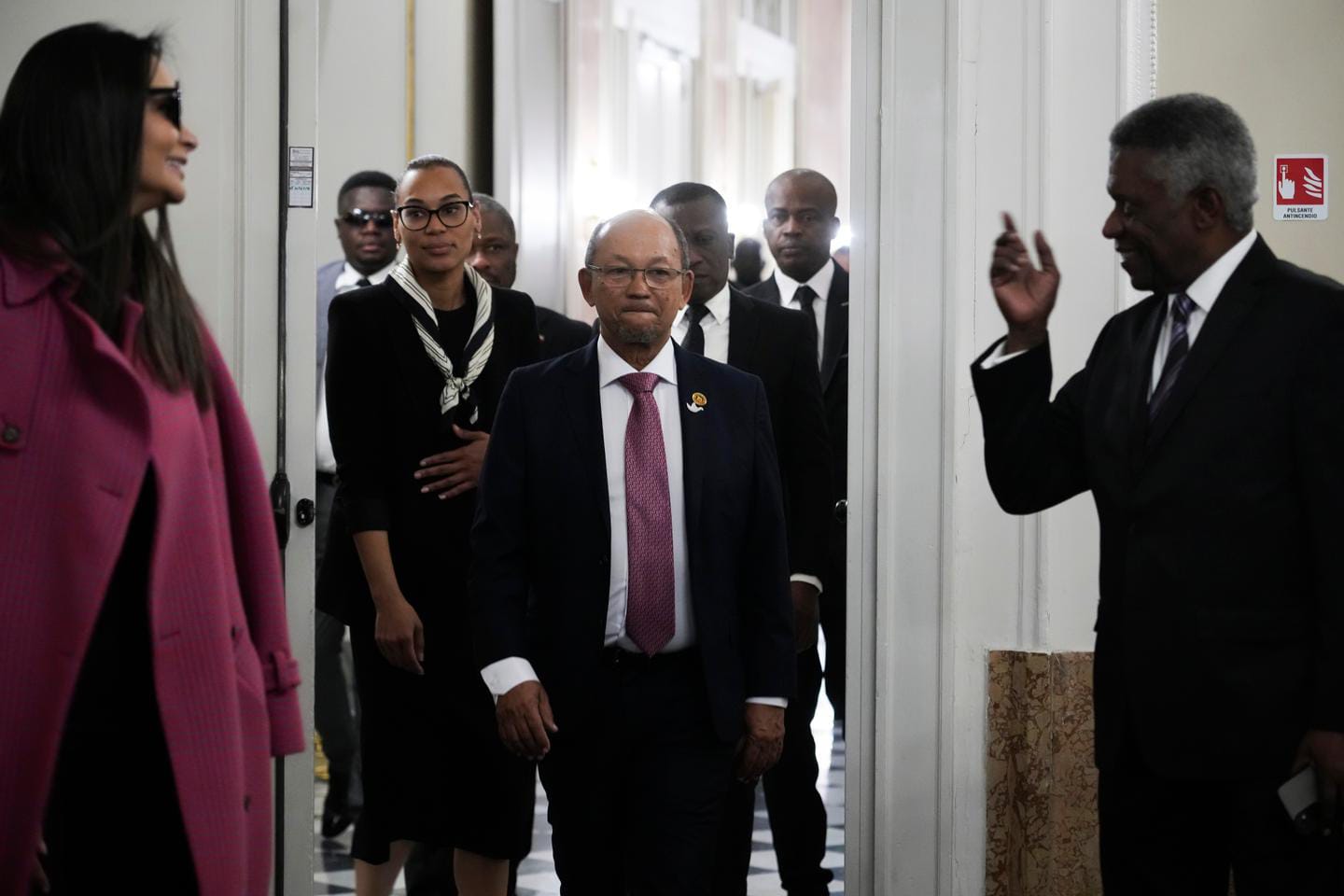
In a noteworthy political and authentic improvement, the Transitional Committee of Haiti has formally reported a comprehensive National Compromise Arrange pointed at mending long-standing divisions, tending to past treacheries, and building a serene, comprehensive future.
This yearning activity marks a turning point for the nation, which has been hooking with deep-rooted clashes, political insecurity, ethnic divisions, and socio-economic incongruities for a long time. The arrange comes after months of meetings with gracious society, devout pioneers, political groups, and universal accomplices, all looking for a way forward grounded in equity, truth, and national unity.
The communication of the National accommodation position is entrenched in the multiplex and harrowing history of Haiti. For decades, the nation has experienced political turmoil, ethnic pressures, dictator run the show, and in a few districts, full-scale strife.
These issues have driven to mass uprooting, financial stagnation, and human rights infringement. Past governments fizzled to address the deep-seated grievances of marginalized communities, and endeavors at national exchange were regularly half-hearted or undermined by debasement and control struggles.
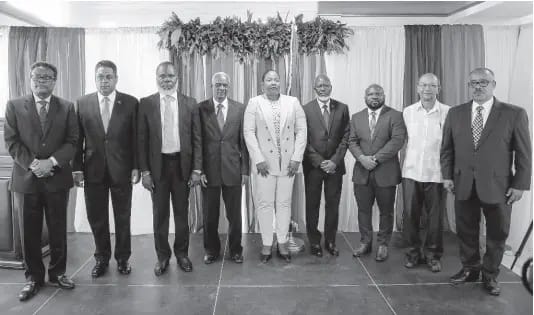
The Transitional Chamber, which came to control taking after a serene rebellion military upset universal intervention – alter depending on setting was entrusted with directing the country through a basic period of change.
As portion of its order, the Committee recognized the critical require to revamp. The Compromise Arrange is in this manner not fair a arrangement activity, but a ethical and political necessity.
The National Compromise Arrange is built around a few center targets that reflect both prompt and long-term goals:
Truth and Affirmation: Building up a national truth commission to examine and archive past human rights infringement, political suppression, and chronicled injustices.
Justice and Responsibility: The legal system holds culprits accountable through fair legal procedures while also embracing traditional forms of restorative justice.
Healing and Pardoning: The process promotes forgiveness and understanding by fostering dialogue forums, community healing traditions, and interfaith initiatives.
Institutional Change: It aims to reform key state institutions by transforming the judiciary, security services, and public administration to prevent future abuses.
Inclusion and Representation: The initiative seeks to empower marginalized groups through involving ethnic minorities, women, and youth in the political process and public life.
Development and Equity: It drives economic and social development by launching targeted programs in regions affected by conflict and neglect.
These objectives work together, recognizing the complexity of reconciliation and the need for a holistic approach that addresses every aspect of national life.
The Transitional Chamber has laid out a organized usage system for the arrange, to be rolled out in stages over a five-year period. This initial stage focuses on public consultation and trust-building, involving town hall meetings, traditional council gatherings, and national media campaigns to encourage open dialogue.
These bodies will be staffed by a blend of national and worldwide specialists. The respectful society agents, and conventional pioneers to guarantee validity and impartiality.
In the third stage, remedial equity components and community modifying programs will be propelled. This incorporates recompense for casualties, memorialization endeavors, and mental back administrations. Instructive changes will too be actualized to advance a unused civic personality established in solidarity and shared history.
This last stage will center on long-term observing and assessment, guaranteeing that the objectives of the arrange are maintained and adjusted as required. An free oversight body will report yearly on advance, challenges, and open perceptions.
Despite the far reaching back for the National Compromise Arrange, it is not without its challenges and reactions. A few resistance bunches and gracious society organizations have communicated concerns around the need of clarity with respect to responsibility. All components, dreading that capable people may elude equity through political bargains. Others have criticized the pace of execution, contending that delays might weaken open certainty and permit ancient wounds to fester.
There are moreover calculated challenges. In zones still recouping from struggle or common calamities, framework and get to stay constrained. Planning a national arrange in such locales will require noteworthy assets and key partnerships.
Furthermore, the prepare of compromise is inalienably passionate and full with resistance. Casualties may be unwilling to excuse; communities may stay suspicious of government-led endeavors. TheTransitional Committee will require to adjust competing stories, oversee open desires, and stay straightforward in all its actions.
Recognizing the significance of worldwide solidarity. The Transitional Board has effectively locked in with worldwide accomplices to back the National Compromise Arrange. The Joined together Countries, African Union, and a few two-sided accomplices have vowed specialized and money related help.
These accomplices have moreover emphasized the require for neighborhood proprietorship, guaranteeing that the compromise handle. It reflects the one of a kind social and chronicled setting.
Civil society organizations, religious leaders, and traditional elders are recognized as key actors in this reconciliation process. These bunches regularly appreciate more noteworthy believe than formal state teach, especially in rustic or marginalized communities.
These association in intercession, struggle determination, and peace instruction programs is considered essential. Interfaith exchange activities are being advanced to bridge devout partitions and cultivate shared values of sympathy, equity, and peace.
Initial responses to the declaration have been mixed but generally positive. In particular, urban areas have shown cautious optimism, especially among the youth who perceive the plan as a chance for generational change. Meanwhile, in conflict-affected regions, communities have welcomed the opportunity for justice and reform. However, many still remain skeptical about the sincerity of the political elite.
Initial responses to the declaration have been blended but generally cheerful. In conflict-affected locales, communities have invited the opportunity for equity and change. In spite of the fact that numerous stay doubtful almost the truthfulness of the political elite.
The long-term victory of the arrange will depend on a few variables: supported political. It will, steady subsidizing, veritable open interest, and the capacity of educate to provide.
The Transitional Council’s declaration of the National Compromise Arrange speaks to a strong and fundamental step toward mending and nation-building in Haiti. It recognizes past enduring whereas charting a course for a more comprehensive and fair future.
Whereas the street ahead is full with impediments, the commitment to truth. Equity, and solidarity gives a establishment upon which a unused national personality can be built.