
July 29, 2026


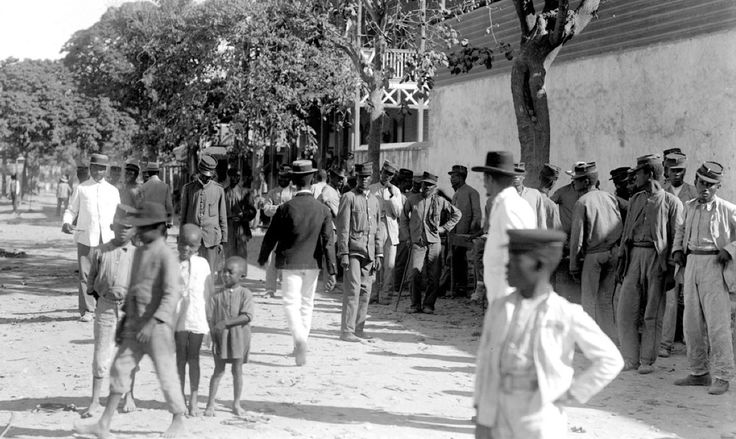
The capital city of Haiti Port-au-Prince battles both a major humanitarian crisis along with a severe security disaster. The busy city was formerly known for its culturally vibrant street scene but today operates as a frightened war environment.
Armed gangs continue their ascending domination which resulted in extensive community destruction alongside complete breakdown of everyday life. The criminal organizations have established multiple roadblock positions that block residents from moving between neighborhoods.
The siege-like state has destroyed regular life while bringing severe challenges to all people who live in the capital area. Earthly solutions fail to address the situation which now becomes a full-blown national emergency requiring urgent intervention from around the world.
Port-au-Prince has witnessed an increase of gangs that emerged as a direct result of President Juvenile Moose’s assassination in July 2021 which created an extensive power vacuum across Haiti.
Weak state institutions combined with bewildered law enforcement teams have prompted the swift takeover by criminal gangs across the nation. The armed criminal groups regulate over 85 percent of Port-au-Prince as they control both influenced and governed regions of the city.
The criminal organizations operating under the name of gangs represent more than local disturbances because they function as well-armed militias who maintain strategic objectives and claim substantial control of specific regions. Many operate with military-style equipment and tactics.
Their influence now controls more than 85% of Port-au-Prince through a combination of political instability and government absence and extreme poverty and lack of resources. The weak response of the Haitian police force against rising threats has given criminal gangs fresh power.
People who live in Port-au-Prince regard their city as an improvisational prison. The physical barriers constructed by gangs serve as weapons to launch a psychological attack on the civilians.
Human beings face restrictions in their movement when trying to reach their school or medical facilities in addition to obtaining fundamental necessities including food and water. Public transportation stops working while gangs steal vehicles through forced ransom payments on a regular basis.
Hospitals operate with minimal resources because several healthcare facilities needed to move patients as well as staff when gang-controlled areas reached dangerously close to their locations. Thousands of students remain without access to education because all schools are currently closed. Social trading centers that were once bustling areas of trade now stand completely empty. Fear has replaced normalcy.
The residents experience a terrible sensation that resembles being trapped in a small space. Their bodies remain confined by these horrible conditions as their minds feel bound. When both safe zones decrease and gangs gain more land control, the choices for people to escape become almost nonexistent.
The prolonged lockdown of Port-au-Prince has developed into a complete disaster that threatens the welfare of its citizens. The technical organizations have recorded more than one million people losing their homes because of gang violence. The overcrowded disorderly camps spread around the capital’s areas make disease outbreaks more likely while triggering additional instability.
The situation regarding access to food now reaches levels considered dangerous. The United Nations predicts that acute food insecurity will afflict more than half of Haiti’s population which equals 5.7 million people during the initial part of 2025.
Roadblocks alongside insecurity have been detrimental to supply chains thus producing both food price surges and lack of access to essential goods across most Haitian citizenry.
The situation is most challenging for women along with children. Dangerous conditions force numerous women to risk experiencing abuse or exploitation while obtaining food or water supplies. The lives of children are affected by malnutrition along with trauma and they will endure persistent repercussions from disrupted education and forced relocation.
The global community paid attention to Haiti’s crisis yet they provided modest support measures. During late 2023 the United Nations authorized Kenya to lead the Multinational Security Support (MSS) Mission toward Haiti.
The Multinational Security Support (MSS) mission faces multiple obstacles during its operation because the mission experiences operational delays as well as problems with logistics and lack of staff members. Presently the mission runs at 40% below maximum potential which makes it unable to effectively support conflict areas.
Numerous countries have declared their backing for the initiative but their actual financial commitments have not reached the level needed to defeat the gangs effectively.
The Caribbean Community organization named CARICOM alongside other regional groups has processed negotiations to settle the disputes in their territory. The complexity together with magnitude of the crisis requires enhanced coordination between nations for better international intervention.
The present transitional administration of Haiti strives to control areas which the government forces have no visible presence throughout large segments of the capital’s landscape. Institutional structures which should fight the crisis have become damaged by years of political corruption and neglect from politicians who were fighting among themselves.
The American public expresses minimal faith toward government institutions. The Haitian population has lost trust in their government because they must face rising dangers while the state provides no protective services. National authority’s reencounter severe coordination problems with international relief agencies because of public lack of confidence in government institutions.
The emergency in Port-au-Prince extends past law enforcement parameters because it covers governance problems as well as economic and civil infrastructure collapses. A fragmented response method will not bring sufficient solutions. The situation demands thorough intervention requiring public security measures alongside relief services and maintenance development programs.
Initial actions need to be implemented for the preservation of public security. After the public safety operation the government must strengthen MSS operations while providing training to Haitian National Police personnel and eliminating the leadership of criminal gangs. With immediate effect humanitarian corridors need construction to enable the delivery of essential food products and medical supplies to those who need it.
The world community needs to dedicate its resources toward rebuilding Haiti’s fundamental national institutions including its judiciary system and police force and educational and healthcare facilities. Public services and governance institutions need restoration to end the ongoing violence and poverty in Haiti.
The process of peace-building and recovery needs grassroots organizations and civil society groups to gain ability for active involvement. The most essential quality they provide to aid distribution efforts is their complete understanding of local communities who require help.
The population of Port-au-Prince exists beyond report numbers because human beings fight for survival in a rapidly deteriorating situation. The people of Port-au-Prince show remarkable strength and bravery through their endurance of severe unimaginable difficulties and need international backing. Global intervention must be sustained instead of limited to expressions of sympathy while the situation deteriorates worse.
The ongoing situation will create regional instability that threatens the stability both within Haiti and throughout the Caribbean. The criminal barriers which gangs construct represent the hindrance of international unity between nations. The time has make an appearance for us to work as one too literate stumbling block in our promenade
.