October 28, 2026

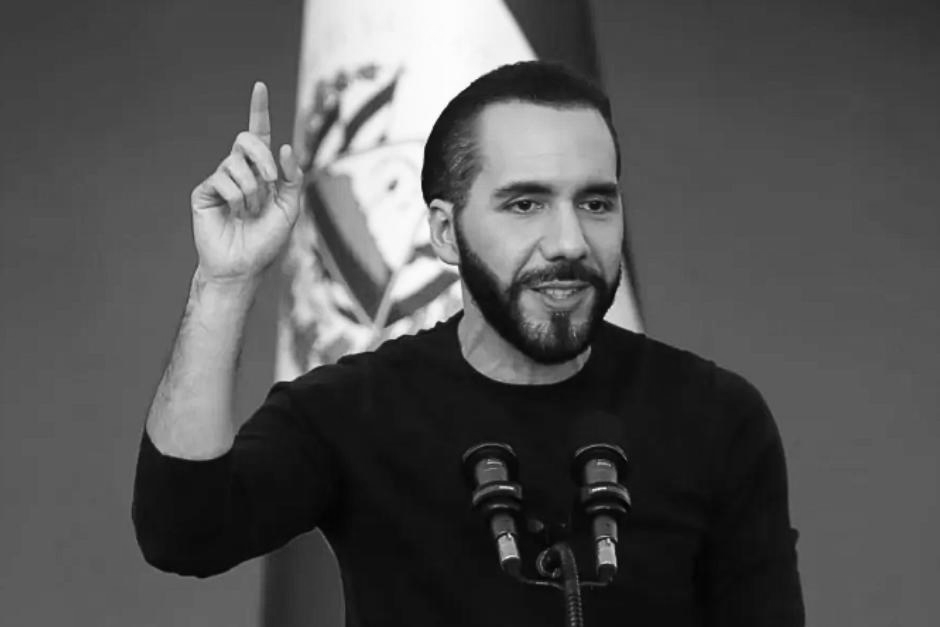
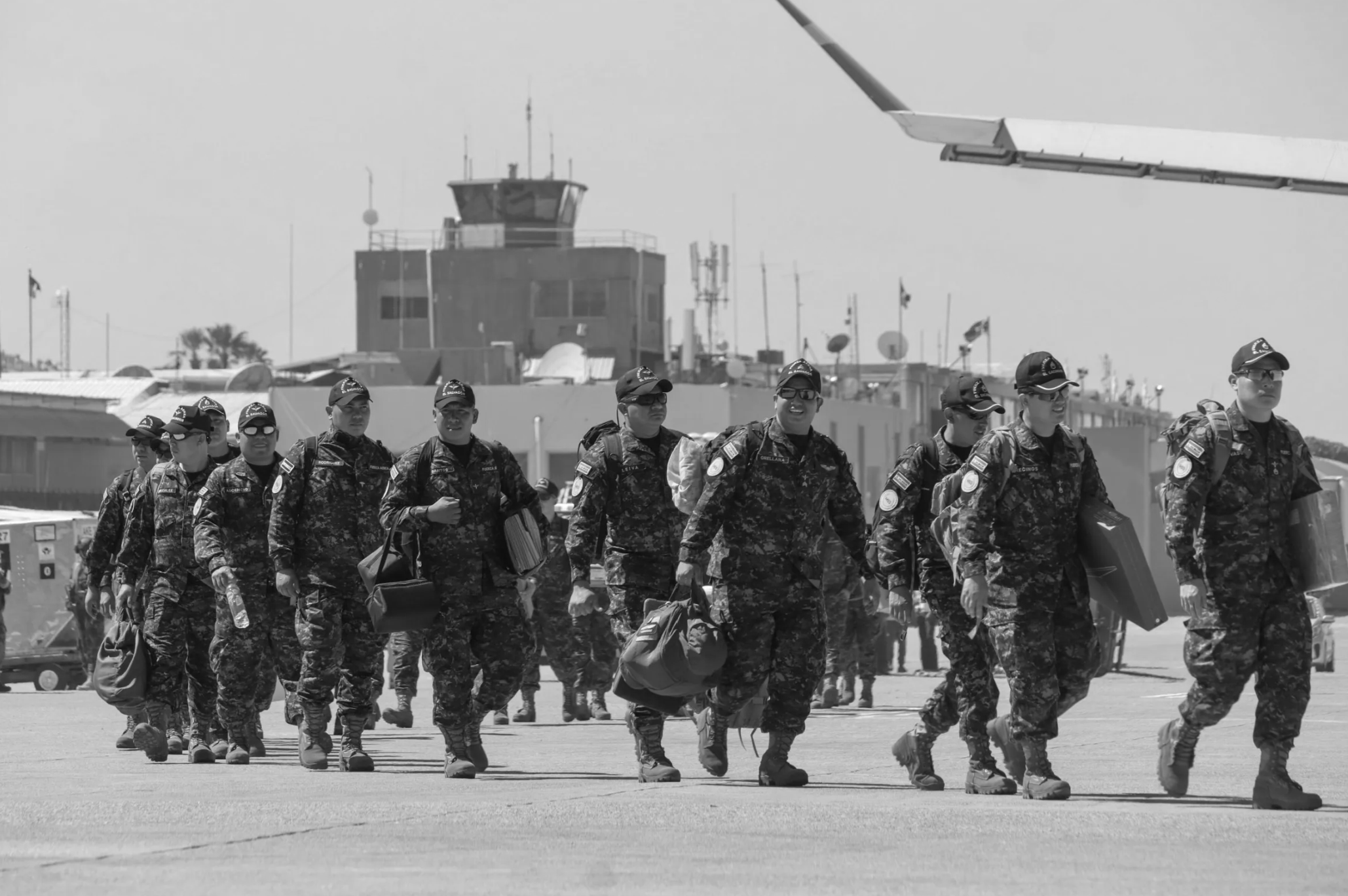

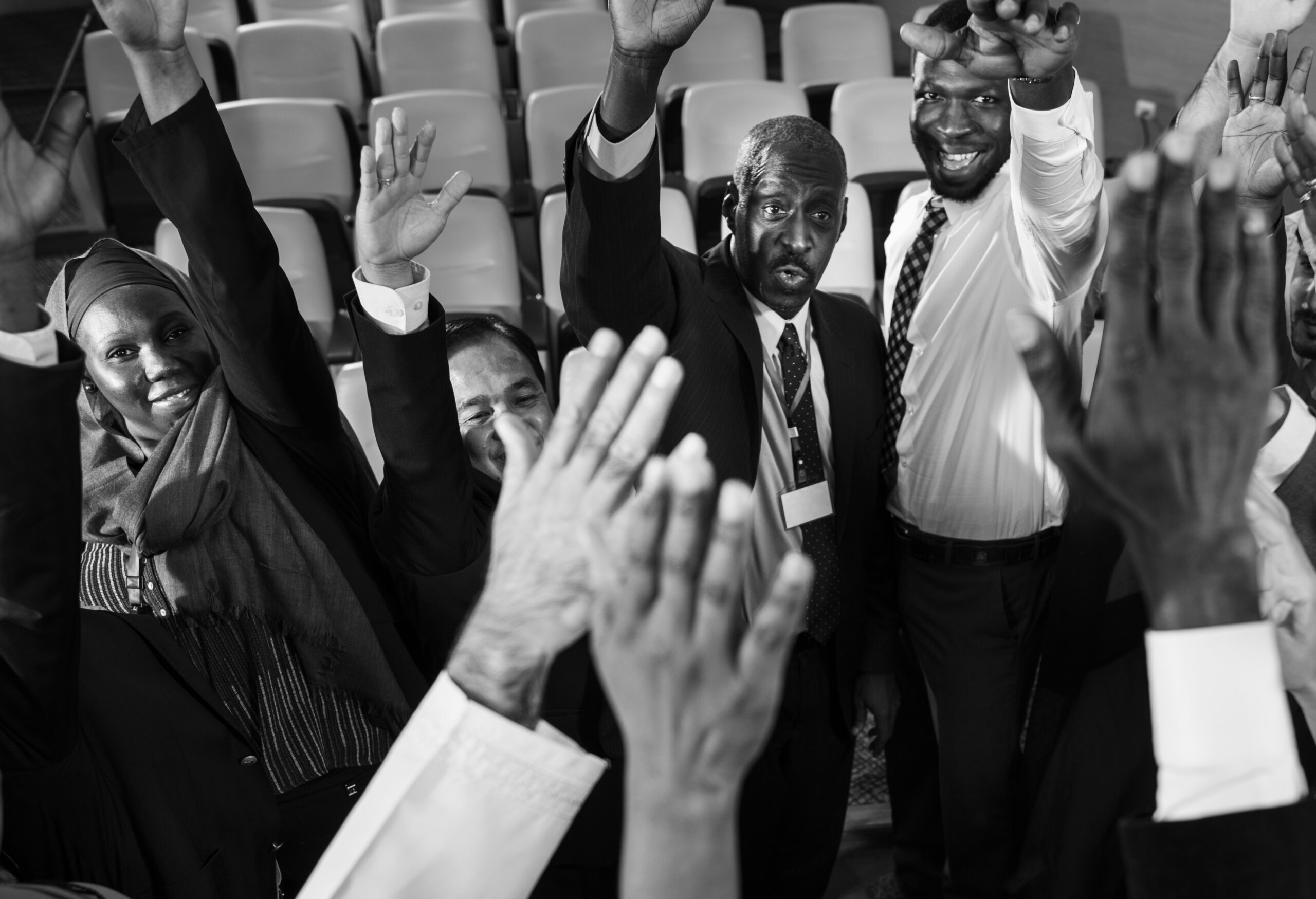
Several nations in the Caribbean have established diplomatic representation to support an essential political transformation in a member Caribbean state. The shared initiative is recognized as historical because it establishes stability while supporting democratic principles to develop peaceful government throughout the Caribbean nations

A prolonged time of governmental instability ended with this transition which occurred under civil unrest and steady-growing socioeconomic tensions. The state in transition deals with deep public discontent because officials face allegations about corruption and institutions have weakened and citizens do not trust their leaders. A lack of governance reform a
nd rebuilding of national structures has emerged as an increasing demand because of these factors.
Regional leaders united under the Caribbean Community (CARICOM) to create a unified response because they recognized the importance of this action. The representatives reached a united agreement which showed that Political Transition in one country spreads consequences throughout the Caribbean. The complete Caribbean region maintains an interest in stability because migration pressures meet security challenges and trade disruptions.
A combination of diplomats with constitutional knowledge and expert conflict resolution specialists and civil society representatives makes up the delegate group. The group of delegates consists of experts who have accrued many years of knowledge in governing institutions and conducting peace negotiations and conflict resolution work. The representatives possess experience from serving in various post-crisis countries worldwide so they can manage political transitions with care.
The participants come from different nations which selected delegates based on their distinct governance systems to create an extensive collection of professional expertise. Countries like Jamaica along with Trinidad and Tobago and Barbados along with the Bahamas show profound dedication to achieving Caribbean stability.
Primary goals of delegation members involve enabling a peaceful handover of power combined with democratic safeguards for state governance. Their responsibilities include:
The delegation provides a platform by creating spaces for essential dialogue to develop between principal Political Transition and civil society stakeholders and basic organizations.
The delegation helps identify obsolete constitutional aspects for reform because they want to create a solid governance foundation.
The transition process receives monitoring by these observers to inspect fairness and transparency levels in electoral and legislative stages.
The plan supports institutional establishment through intensifying democratic governance necessary systems such as election commissions alongside judicial organizations and municipality administration frameworks.
Organizations must support policy development through technical help for the generation of necessary laws which create harmony during transition and promote lasting stability.
The delegation members arrive in a different country to provide guidance and support rather than expected decision-making authority. Their presence forms the basis of mutual respect and sovereignty principles together with collective responsibility.
These deployed delegates have introduced a transformative phase in Caribbean diplomatic procedures. Similar humanitarian missions previously involved the participation of international organizations including the United Nations and the Organization of American States (OAS). The nations of the Caribbean have demonstrated both maturity and unity by assuming the lead responsibility in this initiative.
Drawing from internal abilities and local partnerships the Caribbean asserts its right to handle its domestic matters. Such an approach strengthens member states trust factor while simultaneously developing a common identity which depends on mutual heritage preservation and support systems.
This mission serves to strengthen CARICOM’s role development as it goes beyond the traditional economic integration functions. The regional organization evolves into a powerful entity which tackles conflicts while fostering democracy and promoting human rights throughout the area.
The general appreciation for this mission exists but the operation encounters several significant obstacles. Numerous observers dispute the deployment of external delegates since their involvement often leads to accusations of interfering in national political affairs. The mission faces potential bias problems because delegates who worked previously with local political actors might show unprofessional partiality.
The delegation may face reduced effectiveness because of the complicated political environment that combines deep political disagreements and substantial mutual distrust. The transitional stage is best characterized by inconsistent stability and progress which develops at irregular intervals.
The delegation addresses these challenges through their dedication to open communication and their approach of reaching out to community members as well as their promise to remain impartial. These strategists work hand in hand with local community leaders to develop programs that follow the aspirations and requirements of their country.
A mixture of positive and cautious attitudes shapes how people within the transforming country view recent events. People throughout the country interpret Caribbean delegates’ presence as evidence the society’s challenges are being addressed by both domestic and external grupos. This outside backing provides indications that it will lead to meaningful democratic reforms that will strengthen the democracy.

Among the groups showing the most enthusiasm for the initiative are youth organizations together with the women’s movement and religious communities. The participants view this situation as their first chance to directly influence the future direction of national politics. The groups participate fully in the consultative process by providing essential advice to the delegation.
A properly executed initiative may establish itself as an example regional strategy for dealing with political emergencies. This model showcases that diplomacy is stronger than foreign intervention while peer-support demonstrates its considerable value. Early involvement combined with intergovernmental collaboration enables Caribbean nations to stop instability from growing and facilitate ongoing development plans.
The Caribbean nations demonstrated exceptional leadership by dispatching their delegates to facilitate a political handover in a historic and highly valued action. The nations recognize that any advancement toward peace and progress in one country will create beneficial results for their complete regional area. The ongoing delegation work maintains a shared dedication because everyone believes this collaborative approach will create both a transition victory and expand Caribbean solidarity.
All regional nations along with global observers maintain their attention on this development. This project based on mutual trust and expert collaboration with respect forms what could become the first milestone in Caribbean political unification.