
March 15, 2026


The UN humanitarian system is demanding $720 million from international donors to help Haiti withstand its severe Western Hemisphere crisis. Humanitarian Response Plan activation demands $720 million to deliver urgent life-saving help to three million victims who suffer from enhanced gang violence plus healthcare, population movement and extreme food deprivation.
Haiti endures the worst crisis in its modern history. The assessment shows Humanitarian UN programs need help from 5.2 million people or 44% of the total population at present. Humanitarian workers describe this year’s needs as the worst crisis this nation has experienced in the last ten years and the needs have tripled against past figures.
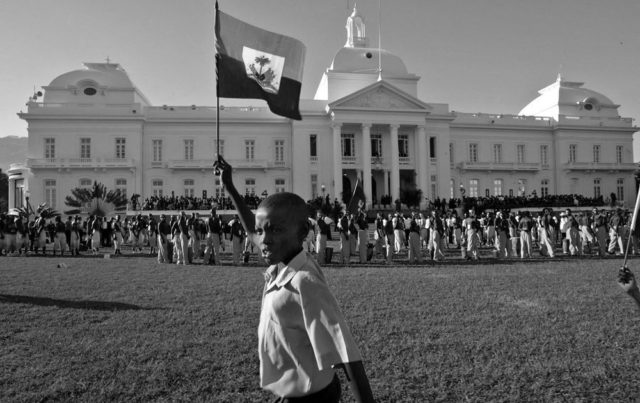
Ray guns have transformed urban districts especially Port-au-Prince into their ruled territories as the political void and weak police leave them unchecked. Violent criminals from armed groups create extreme danger throughout the country through murder schemes and attacks on homes to force people away from their communities.
Women and children have experienced the worst suffering from the violence. UN statistics show increasing sexual and gender abuse reports as women and girls become victims of rape and mistreatment to intimidate communities.
Many children suffered badly because they became victims of gang recruiting or had to endure displacement as their family’s endured attacks. These defenseless groups become more at risk of future exploitation because they need stable housing as well as access to proper education and medical care.
Cholera activity returns to affect Haiti further. Since October 2022 the reappearance of cholera caused 87,000 suspected cases resulting in numerous recorded deaths. The outbreak of cholera grew quickly because people had poor hygiene spaces and could not reach safe drinking water plus lived in close quarters. The limited medical system struggles beyond capacity because years of poor funding combined with natural disasters left healthcare resources almost gone.
Medical centers have closed across the country because of unsafe conditions and staff shortages while healthcare professionals operate under daily threat. Running medical facilities suffers from worker shortages that prevent them from securing essential supplies because fuel remains in short supply.
Hunger runs deep as a problem in this emergency situation. The World Food Program me reports that 5 million Haitians struggle to find enough food while 1.8 million Haitians live with starvation at its brink. Food insecurity and crime threats act together with economic issues and environmental challenges to make food cost too much for many families to buy.
Farm products cannot be farmed anymore because stores are closed and roadways are too risky to use. Children across the country now deal with severe hunger problems because doctors cannot treat their acute nutritional conditions. The hunger emergency needs urgent support now to protect the lives of millions from deteriorating further.
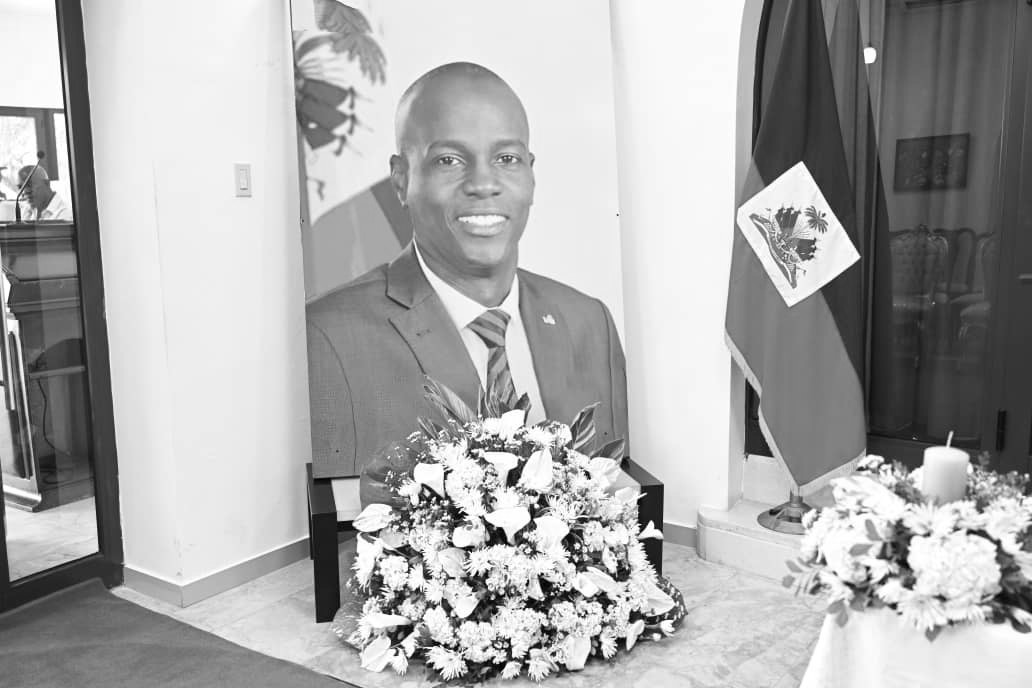
Haiti has lost effective control over its governmental operations. After the murder of Jovenel Moïse as president in July 2021 Haiti entered a political void through interim rulers who struggled to restore peace. The government departments serve poorly while police officers lack equipment and resources due to broken court operations.
Criminal gangs claim control over significant sections of the country because regular authorities have completely lost their power. To help Haitian National Police fight crime UN leaders accepted the deployment of Kenya-led soldiers to fortify security. Even though people support this effort the peacekeeping mission lacks enough personnel and resources as it operates with just 40% of its planned forces.
The UN wants to give urgent t aid now while preparing steps for lasting recovery through its $720 million obtaining plan. The Humanitarian Response Plan exists to assist 3.2 million people in Haiti while delivering essential services through health care, food, water maintenance, proper shelter, and quality education.
The UNICEF WHO WFP and OCHA form a united front with local partners to help people most affected by disaster. This campaign seeks twice the funds as previous years due to increased humanitarian needs and higher security-related delivery expenses.
The United Nations has received support from various international contributors. The United States gives $60 million to expand food provision while building healthcare and emergency prep services. Canada and the EU join additional partners by offering increased aid to UN efforts. The United Nations requires both financial backing and political determination to make progress according to their officials.
The UN demands funds are delivered quickly and flexibly to agencies so they can manage the rapid changes occurring in crises. The UN demands worldwide participation in supporting the multinational security force since it needs consistent funding and equipment to create stability.
The Haitian people persist in facing adversity daily. English religious groups and local organizations formed networks to provide security for their members and neighbors. Their extensive community experience and network connections make these volunteer organizations vital members of the humanitarian relief effort despite their high personal risks.
Both the UN and their agencies recognize local actors as essential partners who help them achieve better aid distribution and strengthen community resistance. Developing local networks represents the most effective method for Haiti to reach long-term stability.
Humanitarian workers face major troubles when they cannot reach populations in need because the areas remain unsafe. Hazard situations such as roadblocks and gang attacks stop relief crews from reaching people who need help. The UN demands that all parties of the conflict permit full human aid access without interference. The best-funded response to aid delivery may be unable to reach people in need without secure guarantees from both responders and government authorities.
The nation remains on the verge of collapse. The emergency demands immediate international response that needs to keep operating over the long term. Humans across the world have a shared responsibility to step forward and help Haiti recover. Many Haitians suffer great pain today and total state breakdown will happen unless the world steps forward to help. The UN needs money to fight Haiti’s needs but also urges the world to do what is ethical here.
Strong funding support and effective security measures combined with genuine help from Haitian leaders will help Haiti recover from its dangerous state of violence and illness. The international community needs to offer shared help through both cash assistance and enduring high-level dedication. By receiving international support Haiti can start its path towards enduring peace and healing.