
March 16, 2026



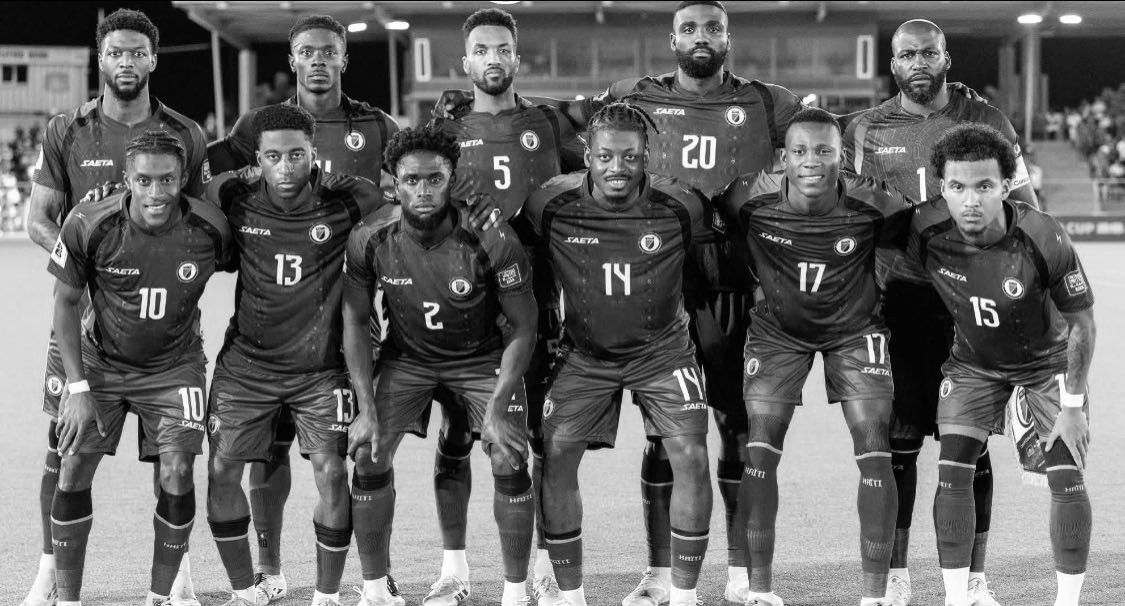
Haiti’s qualification for the 2026 World Cup continues to generate strong reactions from international partners. Among the first to congratulate the country, the U.S. Embassy in Port-au-Prince published a message resonating far beyond the football pitch. It emphasized that the performance “reflects the dedication, resilience, and talent of the team and the nation,” noting it is “a moment of pride for all Haitians.” The embassy ended with a simple, direct cheer: “Allez les Grenadiers!”
This official statement adds to the widespread enthusiasm throughout the country. By recognizing both the athletic achievement and the collective dimension of the victory, the embassy highlighted a key point: this success is not the product of chance, but of persistent effort despite decades of obstacles facing Haitian football.
In the history of Haitian football, this return to the world stage marks a major turning point. The country had not participated in a World Cup since 1974, when the golden generation lifted the Haitian flag among the world’s best. Fifty-two years later, this new qualification places Haiti once again among the rare nations capable of turning a dream into reality.