February 8, 2026


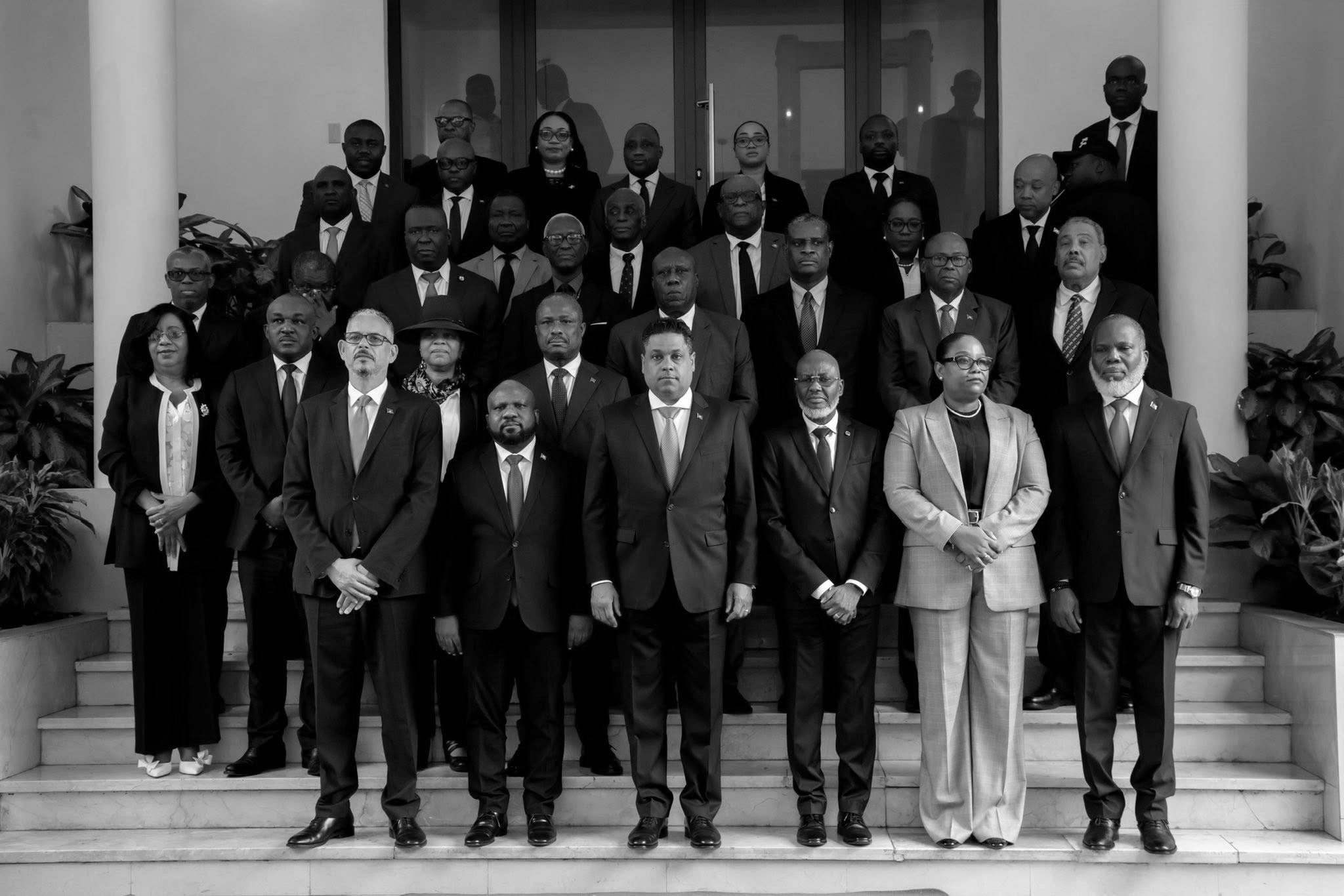
The end of the Transitional Presidential Council (TPC) will remain one of the darkest episodes in Haiti’s recent political history.
Born out of emergency, it has now collapsed under the weight of its contradictions, internal power struggles, and moral failings. It leaves power not with honor, but in disgrace.
From its earliest months, the TPC showed clear signs of dysfunction. Personal rivalries supplanted the national interest, turning the collegial body into a permanent battleground. Betrayal of its mandate, lack of vision, and serious allegations of corruption eroded its credibility.
Worse still, persistent perceptions of troubling ties with armed gangs ultimately discredited the institution.
The undignified political episode at the Montana Hotel symbolized this downfall, exposing a ruling class disconnected from the suffering of the people.
Faced with this failure and the inability of political actors to reach consensus, the international community made its decision.
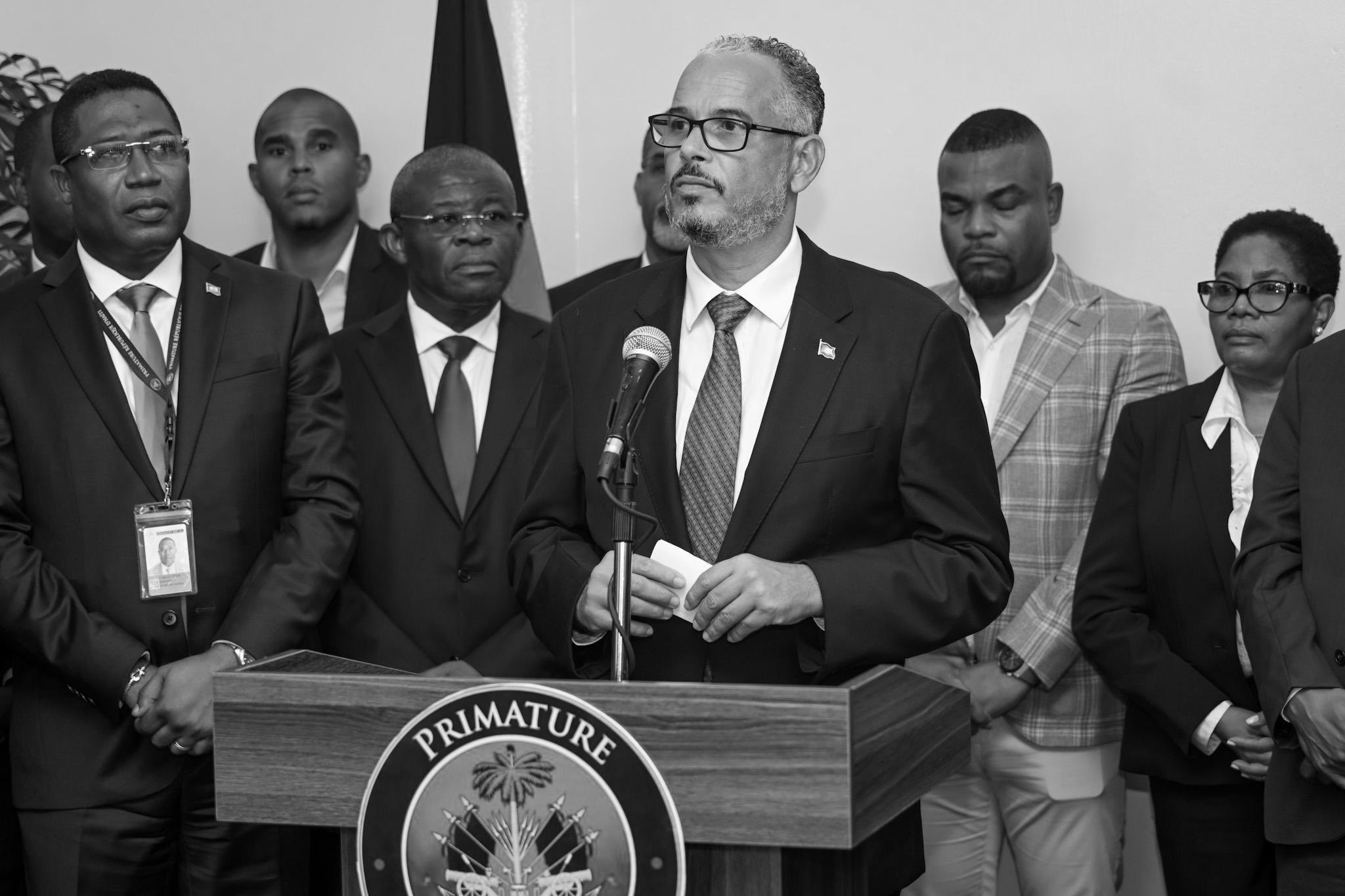
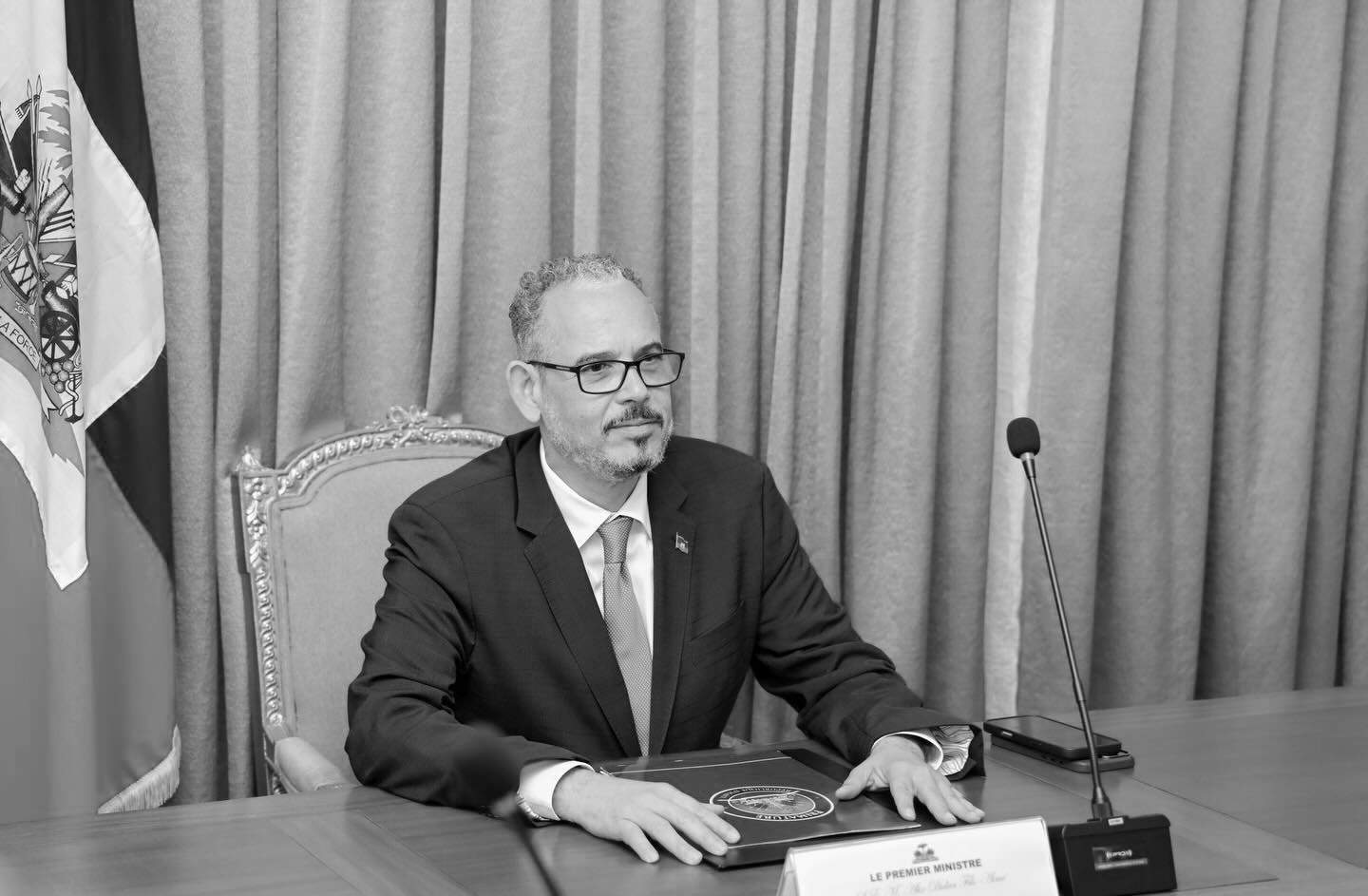
Acknowledging the deadlock, it recognizes Prime Minister Alix Didier Fils-Aimé as the sole holder of executive power, tasked with ensuring minimal continuity of the State.
Mr. Fils-Aimé inherits an explosive situation: widespread insecurity, collapsed public services, and a suffocated economy.
This concentration of power represents a critical opportunity to break with past practices, restore State authority, and rebuild trust.
The TPC leaves behind a profound sense of waste. It now falls to Alix Didier Fils-Aimé to prove that Haiti can still be governed with seriousness and dignity.