
February 6, 2026

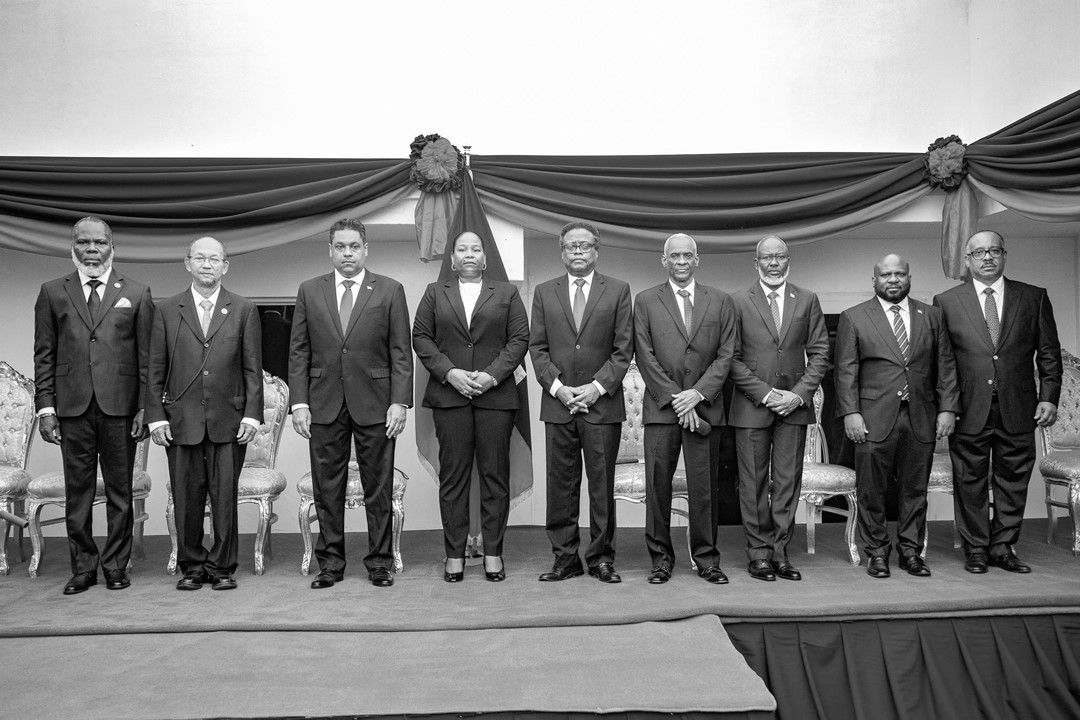


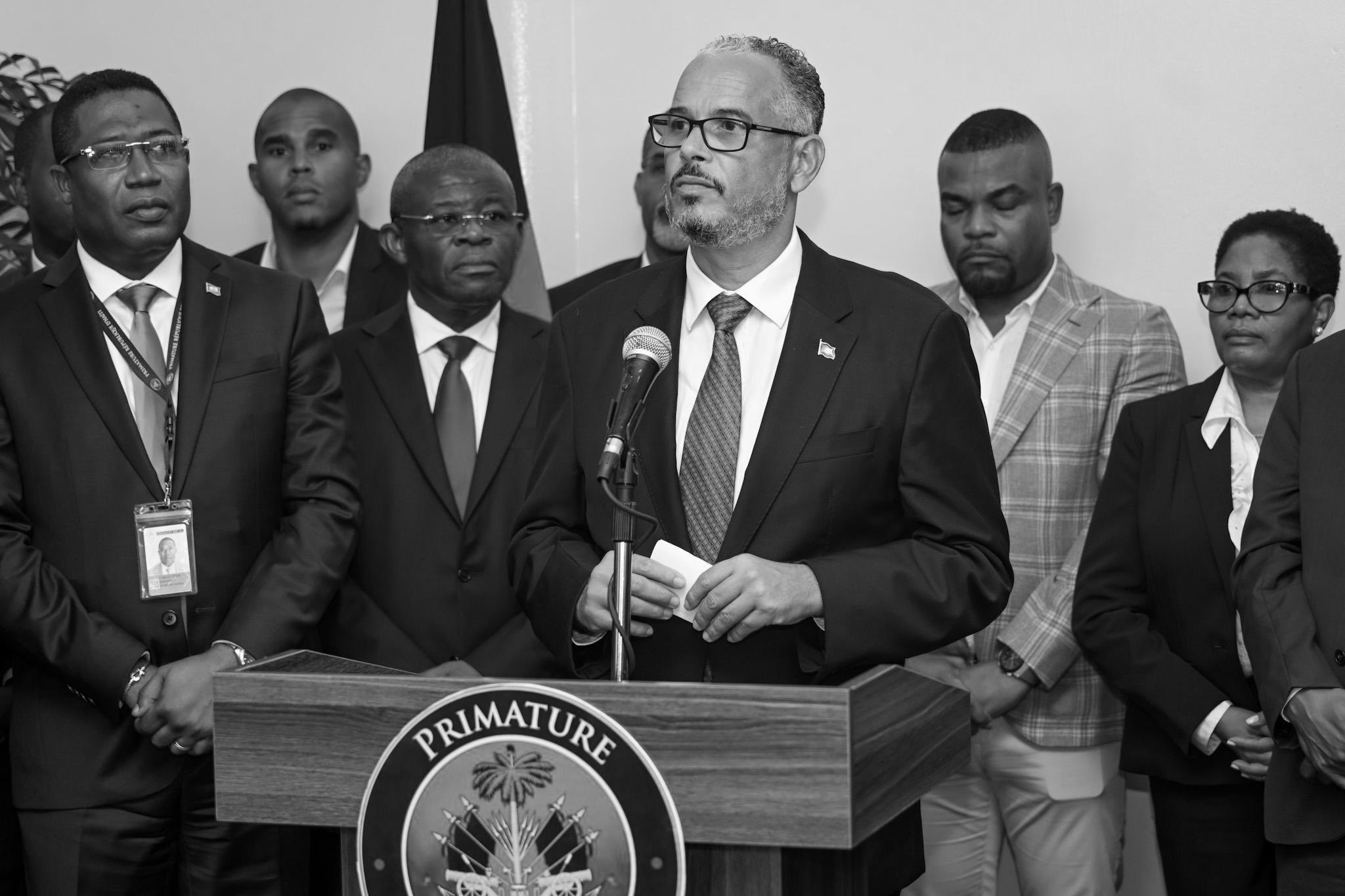
As February 7, 2026—the date marking the end of the mandate of the Transitional Presidential Council (TPC)—approaches, the United States has renewed its explicit support for Prime Minister Alix Didier Fils-Aimé. Washington has warned that no political arrangement outside the current institutional framework will be recognized.
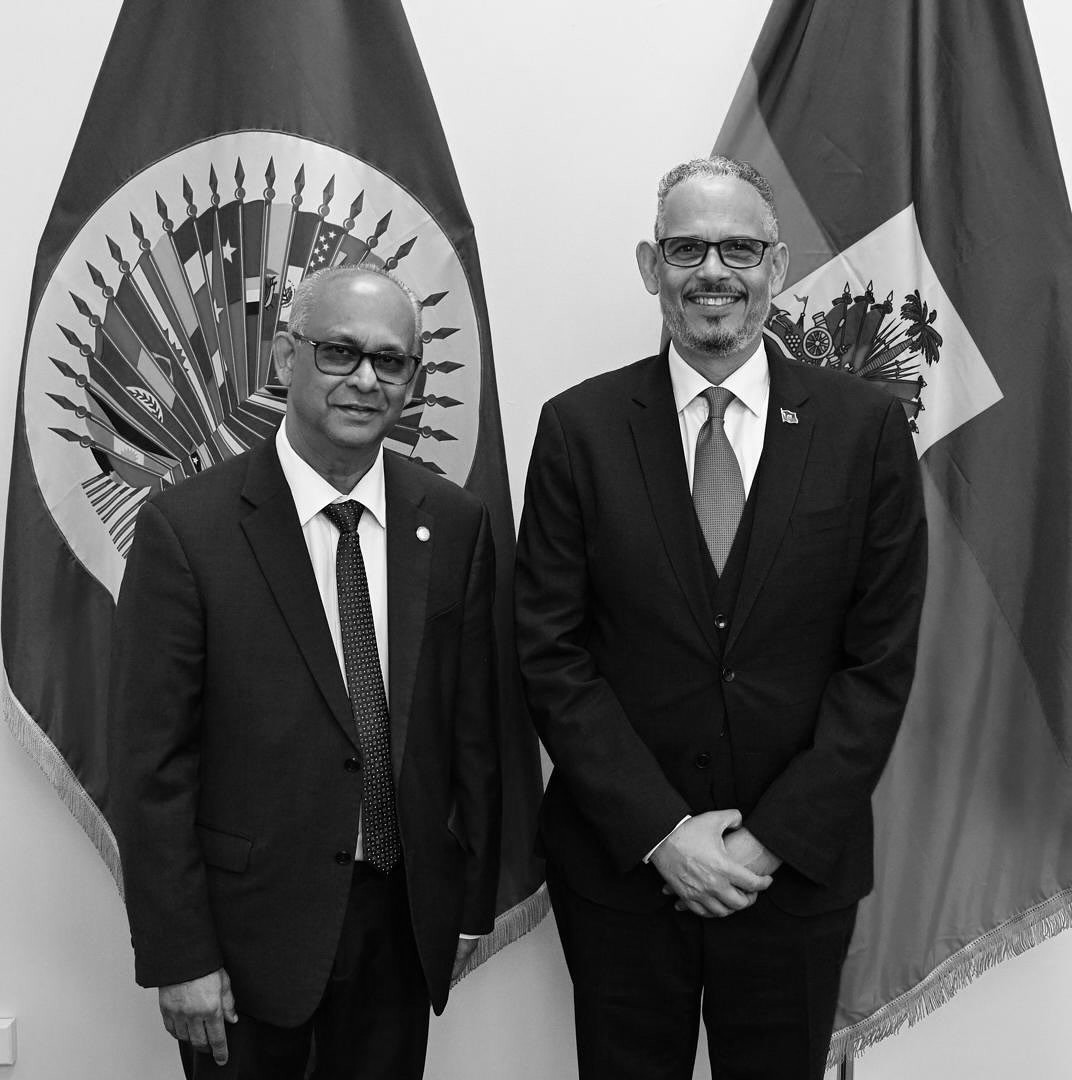
Amid persistent disagreements over the post-transition period, U.S. authorities have emphasized the absence of national consensus and cautioned against any parallel initiatives. This position was reiterated during discussions held in Washington under the auspices of the Organization of American States (OAS).
Around the table, representatives of CARICOM, the United Nations, and Canada described Haiti’s situation as one of “profound uncertainty.” Although there is a broad agreement in principle on ending the TPC, the proliferation of competing proposals is further weakening the political landscape.
On the ground, the growing grip of armed gangs over Port-au-Prince heightens the urgency of restoring institutional order. The international community is now insisting on stabilizing the country and rapidly organizing credible elections.
At the same time, maneuvers by certain TPC members seeking to preserve their political influence are fueling criticism and tensions within the ruling class. These initiatives are widely seen as an additional obstacle in an already heavily contested transition.