March 15, 2026


For many years Haiti maintained fame through its spirited cultural elements. The artistic thrill which flourished extensively in fashion gained significant force within the community. Artisans along with tailors and designers in the country developed an industry that reflected creativity through color.
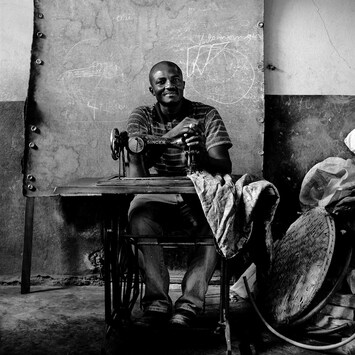
The distinctive fashion sense of Haiti attracted tourists as well as luxury brands searching for their products. Many artisans together with designers are departing Haiti because of detrimental political circumstances and worsening economic conditions and increasing violence throughout the nation.
The Haitian fashion industry operated successfully through numerous obstacles during several years. The designers merged traditional elements with contemporary design elements in their creations A variety of home-made products including handmade apparel and decorative pieces could be found in the markets.
The workshops that once produced vibrant fashion products have now stopped operation. The brightest creative minds of Haiti are making their exits from the country. The creative individuals now live in the Dominican Republic. The disappearance affects the nation beyond human depletion. The decline also produces a disappearance of traditional knowledge as well as skilled guidance and manufacturing techniques.
The collapse mainly stems from the escalating gang conflicts that dominate the city. Crime organizations have claimed control over artisan districts which used to be safe communities. The capital city Port-au-Prince has sustained the worst damage from the disaster. Designers need to avoid working at their workshops without any safety guarantee. Customers can’t shop freely. Delivery services face delays because of the situation.
Kidnappings are now common. A few members of the fashion community have become kidnapping targets. Multiple people across society stay afraid of falling victim to the violence. The demand for producing clothes seems expensive within this climate environment. Survival comes first.
The violent behavior in Haiti formed an economic collapse in the land. Inflation is rising fast. The Haitian currency experiences continuous devaluation. Raw materials including fabric thread beads along with leather have become more scarce and substantial in price.
The international market has started reducing its purchases from Haitian manufacturers. The foreign brands have ceased their relationships with Haitian artisans because of the country’s instability. Orders are being canceled. Payments are delayed. Trust is breaking down.
Before the recent instability Haitian manufacturers used to provide their products to several major international brands. The partnerships received their praise as ethical sourcing examples. The island of Haiti presented both strength and attractiveness to those who observed it.
The worsening economic situation leads these business collaborations to disappear. Companies are quietly ending contracts. Some cite security issues. The delays of shipping and production ways serve as a cause for some of the blame. The situation forces companies to operate secretly due to their concerns about potential risks to their reputation.
Still, some keep going. They conduct their needlework and coloring and decorative efforts in minimal production runs. The people maintain positive hopes that the situation will become better
The best part of Haitian artisans feels right to the female people. The women be valid their knowledge to be their household ready. They move their skills to childhood as they older. The transformative nature of fashion means more to them than a source of income because it provides empowerment.
The women now encounter increasing challenges. Without work, many fall deeper into poverty. People face desperate dilemmas when they have to take their children from school or sell their tools in order to obtain food.
Female-run workshops stand as particular sources of great distress to the local community. Safety together with solidarity and community built were the fundamental benefits that these spaces previously provided. Their absence is deeply felt.
Members of the Haitian Diasporas are actively intervening through their sustained support for the designers who maintain distance from the homeland. People who live abroad support their relatives at home through monetary and supply donations.
Multiple individuals utilize their platforms to spread information about the situation. Haitian artisans find jobs when their manufacturers can integrate them into their workplaces. They host temporary design events as well as fashion events. They are able to reach their limits. Haiti cannot make genuine transformations as long as the nation remains unstable and without peace.
Fashion is more than clothes. It carries pride. The failure of an industry sector such as fashion creates negative impacts to cultural heritage.
Haiti maintains an extensive heritage of artistic textile work. National identity in Haiti comprises elements from its embroidery techniques alongside weaving practices and decorative beadwork. The disappearance of these heritage practices would create a significant loss for Haitian cultural identity.
Since countless centuries the accumulated knowledge could vanish from human memory. Measurement of such loss extends beyond financial value.
Advocates are calling for action. Several groups demand international organizations to intervene in the situation. Several advocates propose either special grants or work workshop funding or relationships between artisans and educational institutions.
According to some observers the government of Haiti needs to take additional action. They demand protection for artists. The advocates request systemic changes that should remedy safety problems and nurture business investments.
A systematic effort emerges to establish protection areas where craftsmen can work safeguarded from danger. These plans provide encouraging prospects although they need full dedication to achieve actual results.
The fashion industry in Haiti exists on the brink of collapse. There is talent. The essence of the situation includes all elements from fear to loss and hardship.
Designers continue to flee. Artisans are scattered. Workshops are empty. And yet, some still dream.
Fashion professionals in Haiti envision a society where Haitian fashion will reconstruct its former glory. The world will eventually return to welcome the colorful embodiment and craft traditions of Haiti. Until then, the struggle continues.
Style in Haiti is in crisis. The reason behind this decline is not because Haitians lack talent or design ability. Fashion in Haiti is under crisis because basic safety elements and economic resources and protective systems are missing. The industry shows no signs of weakness because the builders face unbridgeable external pressure.
With proper care along with attention and decisive action reconstruction becomes achievable.
The purpose of fashion extends beyond achieving good physical appearances. Identity stands beside survival and hope as fundamental aspects of the Haitian identity. Protection for this type of heritage ought to be maintained because it is essential.