
March 15, 2026

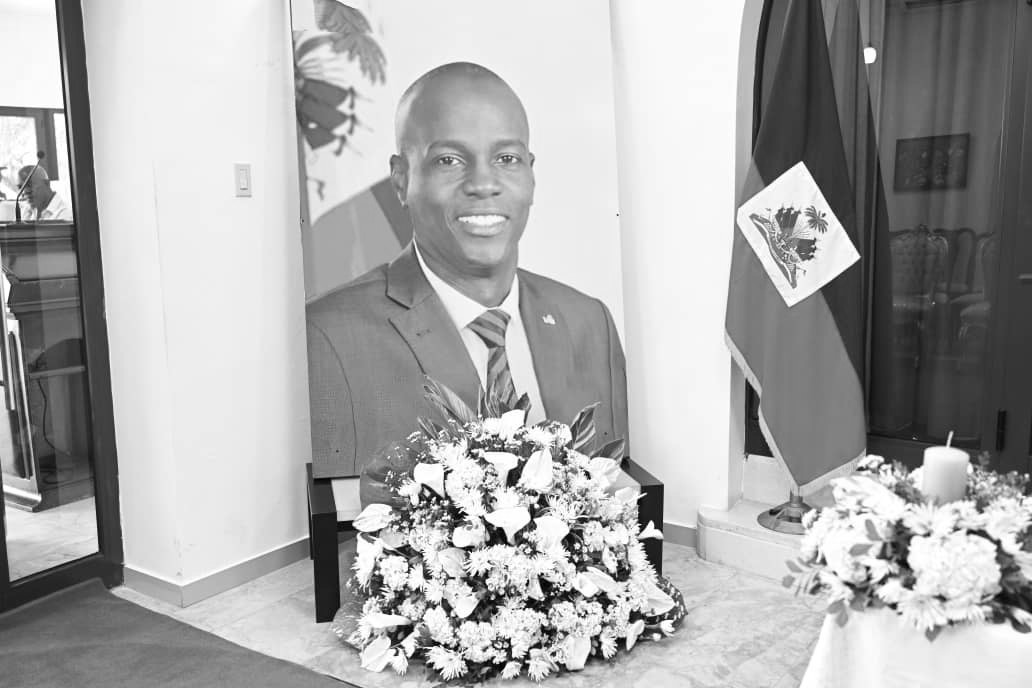


The Government has issued a statement commemorating the Ruelle Vaillant massacre, where voters were gunned down on November 29, 1987, as they attempted to exercise their right to vote. The statement emphasizes that these citizens offered “the sacred right to vote and the possibility of dreaming of a more just nation,” a poignant reminder in a country where even the freedom of movement is now severely compromised.
Prime Minister Alix Didier Fils-Aimé asserts that “security, stability, and national unity remain at the heart of our sovereign commitment.” This declaration comes at a time when today’s insecurity far exceeds that of 1987: gangs control entire neighborhoods, block roads, and paralyze the capital, making civic life nearly impossible.
The statement reaffirms the Government’s intention to guarantee security for all, strengthen national unity, and organize “free, transparent, and credible elections.” Yet these forceful commitments clash with an obvious reality: never since the fall of Duvalier has the capital been so fragmented, encircled, and held hostage by armed groups.
In its message, the executive says it hopes to build “a country where hope becomes reality, where security for all is guaranteed.” However, even the prospect of general elections seems destabilized by an insecurity that prevents travel, discourages participation, and directly threatens the electoral process.
This commemoration of Ruelle Vaillant appears as a striking contrast: in 1987, it was soldiers and paramilitaries who sabotaged democracy in a tense country. Thirty-eight years later, it is gangs who dominate the public space, control strategic routes, and impose their rule—making the organization of elections a gamble in which no one can guarantee even the minimum conditions of safety.