
March 15, 2026


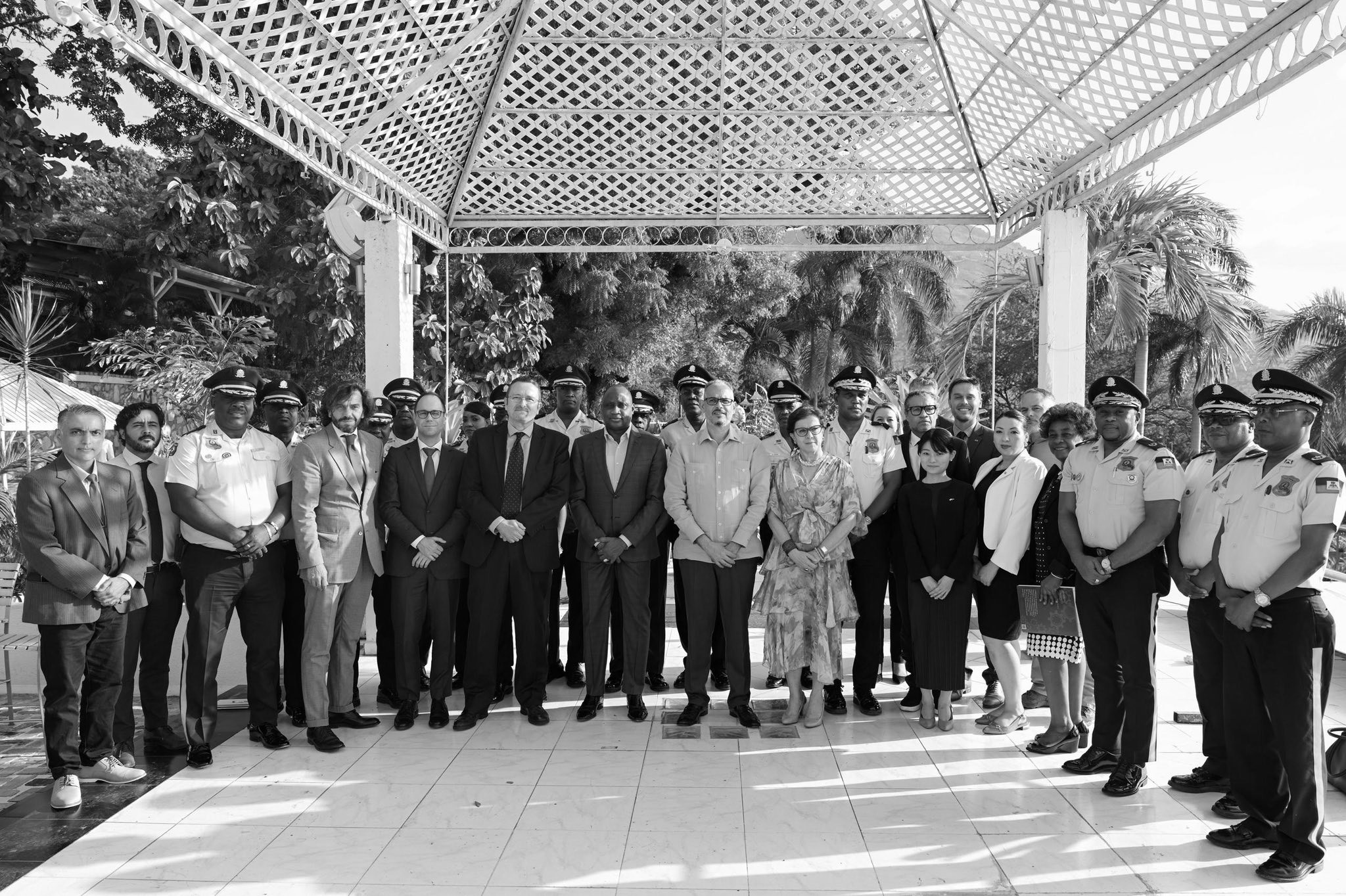
Prime Minister Alix Didier Fils-Aimé met on Tuesday with national and international actors involved in the electoral process. Officially, the meeting aimed to “strengthen coordination” and accelerate preparations, but less than 15 months before the February 7, 2026 deadline for the Transitional Presidential Council’s (TPC) mandate, the calendar remains hopelessly vague.
Surrounded by representatives of the Permanent Electoral Council (CEP in French), the Haitian National Police (HNP), the Armed Forces, and foreign donors, the prime minister tried to project unity and control. Yet beyond the rhetoric, few concrete elements emerged, reinforcing the impression of a superficial relaunch of a process stalled for months.
Fils-Aimé again promoted “transparency” and “sovereignty,” insisting that the government “remains the engine” of elections. But these familiar declarations fail to convince amid the absence of an official electoral calendar and the CEP’s slow decision-making.
Discussions touched on security and logistics, but without clear commitments on actual resources. The creation of two new structures—the Sectoral Table and the Donors Table—seems more like a communications strategy than immediate action.
The government claims to have transferred $70 million to the UNDP-managed electoral fund and plans to add 3 billion gourdes to support political parties. But without transparent monitoring mechanisms, these budget announcements risk fueling mistrust.
As the CPT’s mandate nears its end, the prime minister’s political leeway is shrinking. Without rapid and concrete action, credible elections appear increasingly out of reach.