
March 15, 2026


A newly formed leadership of a transitioning nation has stated its purpose to implement electoral democracy ahead of 2025. The pledge has received mixed reactions from domestic observers and international observers who expect this will produce substantial progress toward inclusive leadership together with political stability.
National political development reaches a vital stage through this commitment as the country emerges from authoritarian regimes combined with civil chaos alongside transitional governmental periods.
The leadership promise signifies both the start of a wider reform process and a dedication to democratic values which include political diversity alongside people-centered involvement as well as answerability and legal authority. Many people support this declaration although it comes with major test conditions along with substantial demands.
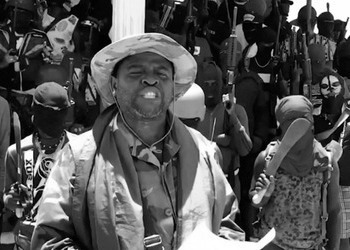
Getting to this announcement has involved no steady path. The relevant country experienced political turmoil because its system changed between military governance and civil society organized protests in an unstable succession of interim governments. Established political bodies are unstable while economic downturns combined with corruption threats and instability problems increasingly strain the social bond.
Public calls for reforms and skillful political efforts enabled the emergence of fresh leadership under these circumstances. The present leadership acquired massive responsibility after a transition through negotiation or democracy movement or technical solution to guide the country towards democratic restoration.
The forthcoming democratic election deadline of 2025 represents both practical and divisive aspects for the country. As a symbolic gesture it signifies how the nation puts past exclusionary governance behind it to welcome election-based legitimacy. The new leadership recognizes how important popular endorsement is because they strive to rebuild confidence in political leadership.
Bringing the nation to this level of political commitment triggers an intricate demanding electoral process. Although aggressive the projected eighteen to twenty-month period creates opportunities for developing fundamental components through proper management.
A sovereign electoral commission must be established as an absolute priority for starting this cause. For the independent body to win the faith of political parties it needs to demonstrate strict objectivity and clear ability while maintaining complete transparency. The independent commission will lead all voting operations from creating fresh registries to making ballots and counting votes as well as contested cases.
The necessary changes affecting law and constitutional structure will require implementation. Some nation-states face problems with their current laws since they do not contain sufficient provisions for multiple political party participation along with proper media independence and judicial oversight systems. Leadership teams should collaborate with experts in law and legal practice as well as legislators together with civil society for making and deploying updated political and electoral structures.
Widely spread civic education becomes essential while these efforts are being executed. The people in most transitional settings have inadequate experience with democratic procedures. To ensure public engagement in meaningful voting activities the population must learn about voting rights along with party positions and voting processes.
From this positive announcement numerous obstacles remain in the path leading to late 2025. The initial challenge that stands in the way lies with political polarization. The political transition prepares the stage for increased competition which develops between new civic groups and former elite political factions and upcoming factions as well as past political elites. Such rivalries must receive proper management to prevent destabilization of the process.
Government institutions could possibly show resistance to change during this process. Some elements of the present-day leadership oppose the democratic transition because their current position gives them benefits under the existing system. Achieving internal unrest resolution together with public trust preservation demands talented political leadership as well as an approach that brings together all stakeholders.
The difficulties that arise from managing logistics prove to be substantial. Soldiers in the U.S. face challenges because they lack access to crucial infrastructure and technology as well as sufficient human resources for national election management. Problems including insufficient registration data and inadequate polling venues together with conflict-torn areas work as substantial barriers to execute the electoral plan.
Foreign interference along with misinformation continues to challenge Afghan elections as major threats. Elections today experience digital disruption through technical offenses comprising fake news dissemination and hacking tactics and malicious online information. The electoral process needs cyber security measures and media regulations which protect both electoral integrity and respect freedom of expression to grant protection from such challenges.
Support for this transformation becomes essential for the international community. Different global institutions like United Nations, African Union, European Union and regional blocs possess the capacity to deliver
Technical support alongside monitoring services and development opportunities. Substantial financial assistance is required because the high costs of running an authentic election become too burdensome.
Such engagement through diplomacy creates global pressure which operates as a motivation tool as well as an evaluation system. The new leadership should sustain its pledge to reforms thanks to monitoring and constructive feedback from international actors who support progress advancement. Crafted bonuses and threats of sanctions operate as strategic mechanisms to affect the results in specific situations.
Support from other nations must avoid disrupting the fundamental autonomy of the domestic population. Elections about legitimacy and sustainability result from nation-wide citizen and institutional ownership of the decision-making process.
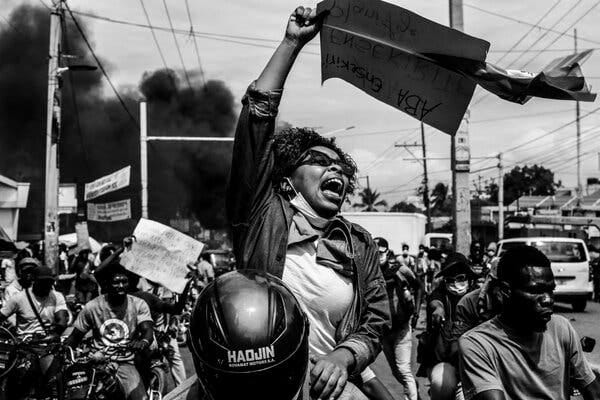
The news has created both positive and doubtful responses from the domestic population. People throughout the country show enthusiasm toward gaining their right to elect leaders while shaping national policies that matter to them. Various public groups including activists and youth organizations and professional associations are coordinating town hall meetings along with awareness programs to promote national involvement.
The previous failed promises have created wartime suspicions among different sections of society. A group of people are doubtful about the future promise which did not materialize in the same way during other transitions worldwide. People continue to express doubts through public discussion about potential delays and secretive tactics which could result in authoritarian rule.
A high standard of openness and communication must exist between the leadership and the public if they are to overcome doubts about the future. Public trust in the transition process will increase when leaders provide periodic reports while including public consultation and revealing their long-term development strategy.
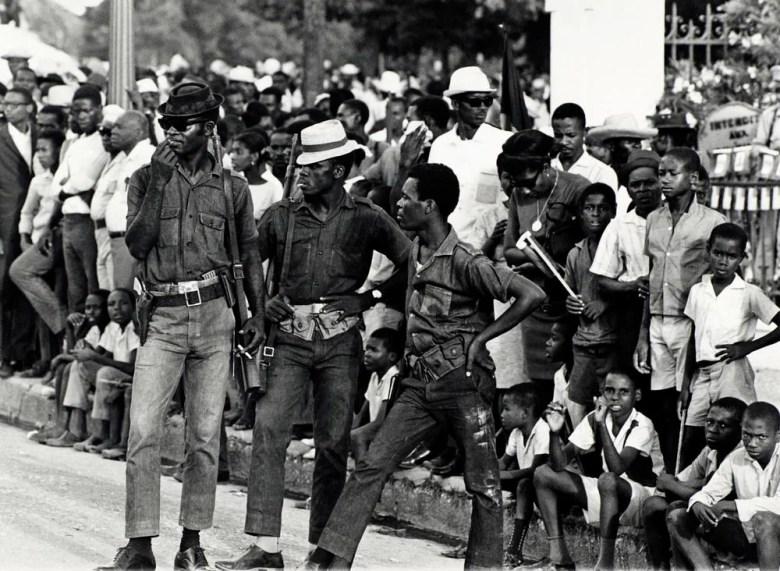
The planned democratic elections for late 2025 represent a historical turning point which extends past political declarations. This promise holds the potential to establish a fresh democratic era that would grant the people legal authority and lasting security while delivering to them their official stake. Poor handling of this initiative might make current fractures between people worse and lead to extended political instability.
Citizens of the country will observe with greater intensity than the rest of the world as the democratic transition unfolds. The new leadership needs to successfully handle challenging circumstances while establishing open institutions through dedicated integrity and courageous leadership to make this transition successful.
The duration will show if this daring commitment transforms politics for the better or becomes an untapped chance in the democratic landscape of the nation.