
March 15, 2026

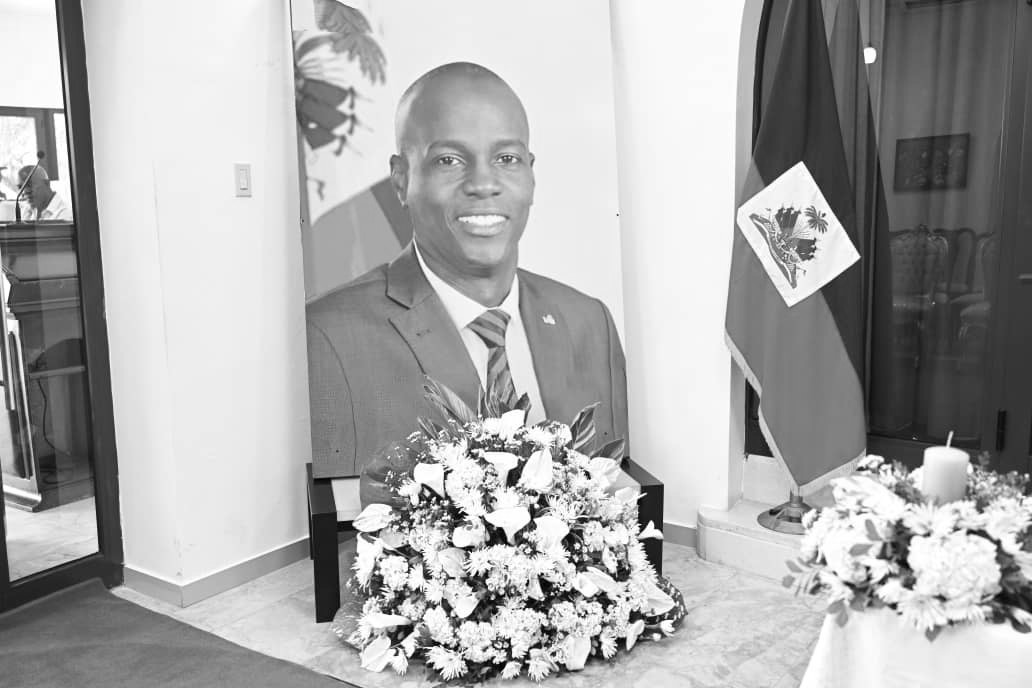

Four years after the assassination of President Jovenel Moïse, the Port-au-Prince Court of Appeal has decided to take control of a stalled case, ordering a supplemental investigation to address the many remaining gray areas. The judges ruled that the initial inquiry led by Walter W. Voltaire was incomplete and required a thorough reexamination.
The court has appointed Judge Cyprien Jn F. Denis Pierre to lead this new phase of investigations, which will focus on collecting financial records, phone logs, and technical analyses to determine the exact responsibilities in the planning and execution of the crime. The strengthened investigation aims to gather both incriminating and exculpatory evidence for all defendants, in a declared effort toward judicial transparency.
In its ruling, the court rejected release requests filed by Marky Kessa, Joseph Félix Badio, and the seventeen Colombian nationals implicated in the case, citing insufficient guarantees. It also ordered the immediate search and arrest of the defendants still at large, as well as the continued detention of those already imprisoned.
Certain appeals were deemed inadmissible, including those filed by Léon Charles and Joverlein Moïse, the late president’s son, due to procedural issues. However, the court accepted appeals from a broader group of defendants, including Martine Moïse, Claude Joseph, and several former political officials.
This decision—handed down on October 13, 2025, by Judges Emmanuel Lacroix, Phémond Damicy, and Cyprien Jn F. Denis Pierre—marks a turning point in a case long seen as emblematic of Haitian impunity. Four years after Jovenel Moïse’s murder in Pèlerin 5, the judiciary appears determined to regain control of a case that continues to divide and haunt the nation.
Source: Le Nouvelliste