
March 15, 2026



Haiti battles a deep national crisis because of rising gang conflicts and unstable political system and pervasive poverty throughout the country. Weak governance and institutional collapse led the country to suffer a large increase in criminal violence. Expanding criminal control has enabled gangs to dominate wide areas that encompass Port-au-Prince together with other segments of Haiti.
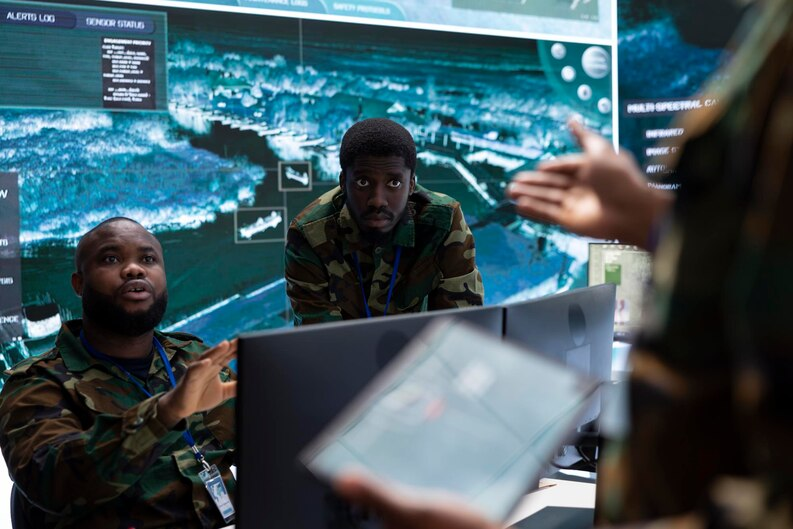
The violence has established dangerous threats to citizens’ safety while blocking critical services from providing help to people in need. The Haitian government led by Prime Minister Ariel Henry urgently demands an international security operation under a multinational force for stabilizing the situation and helping all Haitian people avoid further suffering.
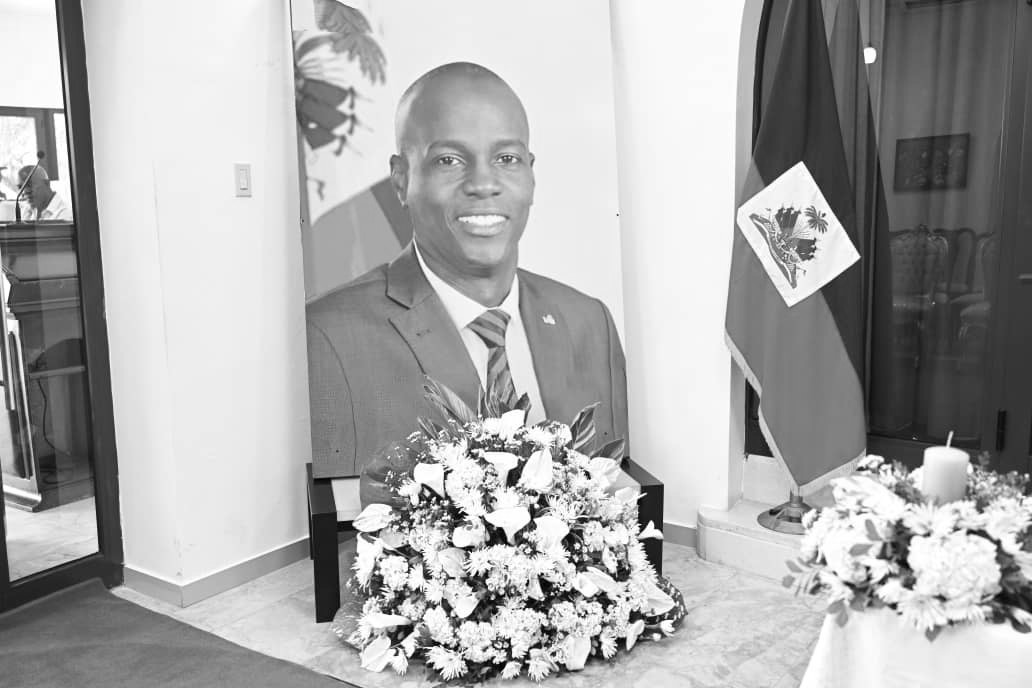
Haiti experiences ongoing political instability along with economic challenges however recent situations have made the country reach its absolute limit. The killing of President Jolene Molise in 2021 led to governmental incapability in managing national needs because all leadership authority disappeared from the country.
Criminal gangs gained power because of the power vacuum that emerged in urban regions. The gangs conduct violent criminal operations that involve kidnappings along with extortion schemes worsening Haiti’s insecurity situation. The Haitian National Police operates with limited resources and no proper equipment thus cannot stop gangs from spreading or reinstate law enforcement across the nation.
The worsening security conditions throughout Haiti prompted its government to seek help from international forces that would establish security while enabling humanitarian aid deliveries. The current scale of gang violence necessitates a stronger international intervention than previous peacekeeping missions like the United Nations Stabilization Mission in Haiti (MINUSTAH) proved effective to address the growing threat to society in Haiti. International security assistance will establish security conditions necessary for aiding both population safety and humanitarian aid workers.
Several key challenges exist when establishing a multinational force for operation in Haiti. Getting different member groups of the international community to work together effectively stands as the main obstacle. The nations of United States, Canada, France as well as Caribbean Community (CARICOM) must reach a consensus regarding their mission collaboration terms and duties.
The multiple foreign policy objectives between different countries could produce obstacles in pursuing the mission’s purposes. The Haitian population distrusts international military operations after MINUSTAH received blame for its mishandling of the peacekeeper-related cholera outbreak during its mission.
Parts of the Haitian people maintain reservations about allowing foreign forces to base themselves inside their national territory. Many Haitians accept international force intervention for preserving national security but fear that this intervention will result in violations of their country’s independence.
Public patriotic feelings might increase thereby generating opposition towards the foreign mission. Difficult situations will emerge when maintaining respect for Haiti’s national sovereignty against security requirements. The mission requires both direct communication and respect for local leadership to achieve success.
Several advantages exist for Haiti when it allows foreign nations to cooperate on protecting its security. The first positive outcome would bring about security reinstatement that enables safe distribution of essential humanitarian aid and essential services.
When stability returns to Haiti the government will possess the chance to reconstruct essential institutions and retake dominion over the entire nation. The multinational force should provide training as well as equipment to strengthen the Haitian National Police force to help them tackle the origin of violence while solidifying sustainable national security.
International entities need to respond exigently. to stop the escalating crisis throughout Haiti. The crisis present in Haiti extends beyond local boundaries because its regional and worldwide effects need significant attention. Offers both neighboring countries along with international regions multiple risks because of Haitian instability while it simultaneously provides space for criminal enterprises to spread globally.
The international response requires immediate security aid together with measures for accountability along with transparency and human rights protection. The long-term stability of Haiti depends on international support for Haitian government institution renovation and sustainable development initiatives.
Humanitarian aid functions as a crucial aspect which the suggested multinational security mission must pave the way to deliver. Aid workers are prevented from helping populations in Haiti as violence controls access to numerous areas. Millions of Haitian people remain unable to receive essential services because medical supplies and food along with other necessities are unable to reach them.
The safe delivery of aid through a multinational security force would decrease some of the conflict-related suffering for the population. Through its mandate the mission should prioritize the restoration of essential infrastructure that would facilitate better access to medical care and education.
A multinational security force will accomplish both urgent security protection together with essential components needed for Haiti’s future recovery. The establishment of security would enable international stakeholders to reconstruct Haiti’s economy together with its institutions.
These efforts should focus on developing the legal framework in addition to enhancing public services together with establishing sustainable employment opportunities for people in Haiti. Such efforts will target the base factors contributing to instability by dealing with poverty while improving governance capabilities to establish stronger and sustainable national prospects.
Any multinational security mission needs international partnerships to achieve its goals successfully. The United States and Canada along with other countries that maintain interest in Haitian stability already back the deployment of peacekeeping forces. Through its role in local cooperation and community acceptance CARICOM along with other regional organizations provides beneficial roles to support mission success.
The United Nations together with the Organization of American States (OAS) should provide direction along with administrative resources to lead the mission operations. Multiple actors need to cooperate with one another to achieve effective outcomes for the mission.
Every international intervention needs a well-planned coordination system to succeed. Success requires a full agreement among multiple actors concerning Haiti’s recovery path along with established objectives for bringing it about. The multinational security force needs to establish two main priorities of securing peace alongside humanitarian relief efforts and establishing stable political conditions. International success in the long term requires international forces to collaborate with local leaders and institutions to reconstruct Haiti’s governance system.
Haiti is at a crossroads. National leaders of Haiti have sought international aid to address their country’s extreme conditions of violence and instability as well as poverty on an urgent basis. Such a multinational security operation would supply essential backing to restore peace while protecting civilians while enabling government establishments to maintain their operational effectiveness. Various obstacles stand in the way of implementing this type of operation. To succeed with the mission in Haiti international actors must coordinate their efforts together and defeat domestic opposition while adhering to Haitian national sovereignty.
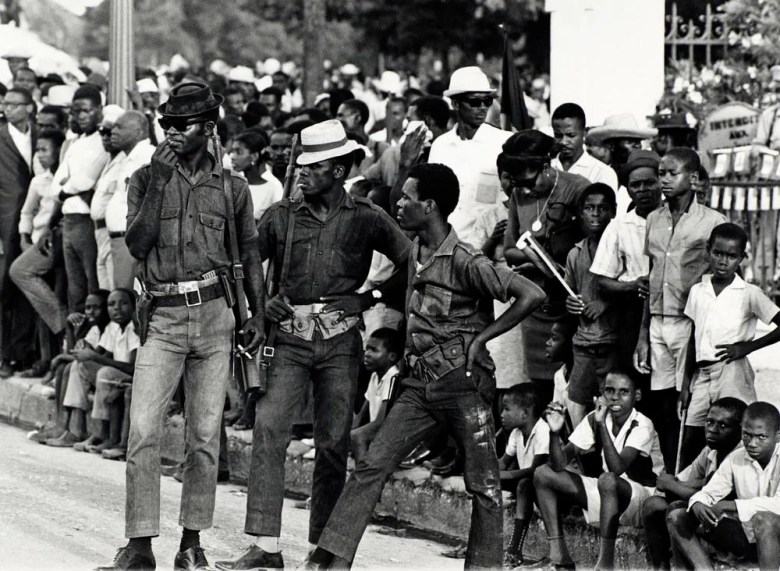
This will need both strategic planning and diplomatic measures. Although the path to successful multinational operations presents numerous obstacles the achieved results would be substantial. During this critical phase Haiti requires international community support because a well-planned intervention will create the path for the country to rise above its current crisis thereby establishing a more stable and prosperous future.