March 15, 2026


Today Haiti faces multiple forms of siege that stem from worsening gang violence together with political and economic problems. Journalists in Haiti persistently face grave risks to defend honest reporting and report news to the public despite the continuous regional crises occurring in their country.
Their dangerous mission under challenging conditions demonstrates both their dedication to press rights together with their strong connection to the local community. For these journalists working conditions have reached a point where both note-taking and weapon use present equivalent dangers and truth-telling practices lead to targeting.
Gangs with armed forces dominate many territories of Haiti while focusing their operations mainly in and around Port-au-Prince. The deadly hazards within these zones force journalists to brave them so they can acquire vital information. News reporters inside protected areas have to submit to gang leader talks and wear disguises as protection against gang members who spot them. The circumstance prompts numerous to precede working indeed in spite of the fact that they get it the significance of sharing these stories.
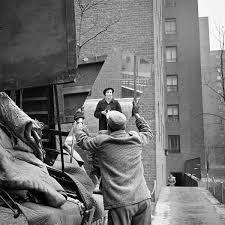
Entering these districts requires both strolling through unsafe rear ways and getting unauthorized security administrations given by nearby occupants. Passing is standing by anybody who makes a misstep whereas in a range where crossfire remains steady. Writers always confront these dangers whereas performing their obligation since they recognize that these concealed districts stay obscure to the rest of the world through
Haiti has persevered the passing of its writers at the hands of savagery. A few reporters have faced fatalities during work assignments with criminal perpetrators escaping consequences. The practice of murdering journalists serves as a warning about professional hazards alongside providing.
The families of deceased reporters suffer due to the dual torment of losing their family members alongside the total absence of explanation or consequences for their deaths. Such unresolved cases demonstrate that the practice of suppressing press freedom faces no consequences in this environment. Every reporter who dies in such attacks faces the destruction of individual loss yet simultaneously hurts press liberty as well as democratic fabric of threatened societies.
Journalists experience severe mental health consequences because of their perpetual encounter with violence together with persistent fears. People with anxiety, PTSD and depression seek no psychological assistance because these services remain out of reach to them. Technically-talented professionals choose to keep working because they promise themselves to their communities at all costs.
Journalistic professionals share reports about their disturbing dreams and insomnia waves as well as emotional collapses which stem from witnessing destruction or interacting with bereaved families. The absence of mental health services dedicated to media workers in Haiti exists simultaneously with ongoing negative social perception of getting assistance for psychological needs. The continuing journalists who report stories display their commitment to significant storytelling rather than fearlessness.
News organizations operating independently in Haiti face an essential responsibility to report detailed news stories which major news outlets frequently neglect. The small underfunded media organizations depend on courageous journalists who cover violent events and political developments and protests to fight false information and increase public understanding.
People within crime-ridden areas depend on radio stations and internet platforms for their information because official trust institutions have completely lost the public’s confidence. The news outlets act as essential channels which allow population members to obtain needed information to protect them and decide about their existence. A reduction in credible news flow across Haiti would become an alarming threat because of the absence of independent journalism.
Haitian female journalists endure special difficulties which combine physical threats faced because of their gender and gender discrimination in their profession. Several women now occupy prominent positions in radio broadcasting and investigative reporting as well as documentary creation. These reporters highlight vulnerable topics that larger media outlets tend to ignore affecting both women and children. The reporters face abuse during their field reporting and online harassment yet continue to deliver news platforms to silenced communities.
Working in journalism means more to most professional women because it serves as their life purpose. Public dialogue benefits from their knowledge which allows society to learn about crucial components of Haiti’s intricate social structure through stories that display resilience and opposition to injustice.
Most journalists in Haiti work without proper protection, insurance, or equipment. Very little global assistance along with minimal training opportunities exists. Many rely on personal networks and courage alone. The Haitian press needs better safety resources which are essential to guard their personal safety and allow them to carry out their work effectively.
The lives of journalists could be significantly improved through the provision of bulletproof vests as well as trauma training and secure transportation systems. The majority of media organizations fail to obtain sufficient funds that would enable basic safety protection measures. Community reporters and freelances work alone without backup support because they face higher vulnerability compared to their colleagues. In their commitment to raise public awareness journalists risk their safety because they believe information and understanding create paths toward necessary change.
International organizations have expressed their disapproval of attacks on journalists yet they have not provided substantial support to journalists operating on-site. Haitian journalists need direct assistance beyond public declarations because they require monetary support alongside protective measures that ensure safety on the job.
Decade media organizations as well as human rights organizations have demanded justice yet their influence on Haitian officials remains minimal. Foreign governments and NGOs should dedicate better support to Haitian journalism by backing local media initiatives and teaching journalism skills to reporters and implementing measures that prevent violence against reporters. The current circumstance will compound as more correspondents confront life-threatening dangers since outside activity will not work.
Journalists in Haiti precede their work in spite of the various perils they confront in their day by day operations. Haitian writers utilize their work to reveal illegal acts and empower their individual citizens to get to genuine information. The journalists shape up as one of the few entities that stand up to power while violence threatens to overthrow the nation’s democratic foundation.
Their dedication never wavers despite potential life-threatening decisions since they believe that knowledge gives people power. Journalists regularly arrive at violent scenes as first responders and persist at the scenes until the very end. These journalists record all aspects of the crisis from demise to fighting spirit and citizens’ collective will to survive as they restore their nation.
The journalists of Haiti face total risks by undertaking frontline reporting duties. Through their brave actions journalists defend freedom of the press while supporting the survival of Haiti as a nation. Society needs to understand the journalists’ important work by providing protective measures while showing their alliance behind their search for truthful information.
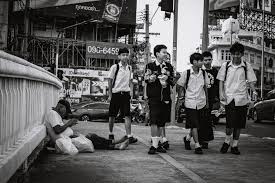
Journalism in Haiti serves beyond occupational status as a revolutionary force that stands against oppression. Through their writings and verbal and film expressions they effectively work against adversity to document the national crisis. The worldwide community needs to support survival of these journalists while elevating their ability to speak.