
March 15, 2026



The Haitian capital Port-au-Prince deals with increasing problems accessing quality drinking water. Under conditions of unstable politics and difficult living tools plus regular disaster events people suffer daily to get secure clean water. The lack of safe water becomes more extreme because of damaged infrastructure and weak government control of urban design. Non-governmental organizations plus international agencies and local communities are raising urgent health alerts about this water crisis that now threatens the entire population.
The water facilities in Port-au-Prince have shown weakness for a long time. Poor water infrastructure became damaged because no one invested in it for many years. The earthquakes of 2010 damaged all existing infrastructure and hurricanes plus flooding increased the overall strain.
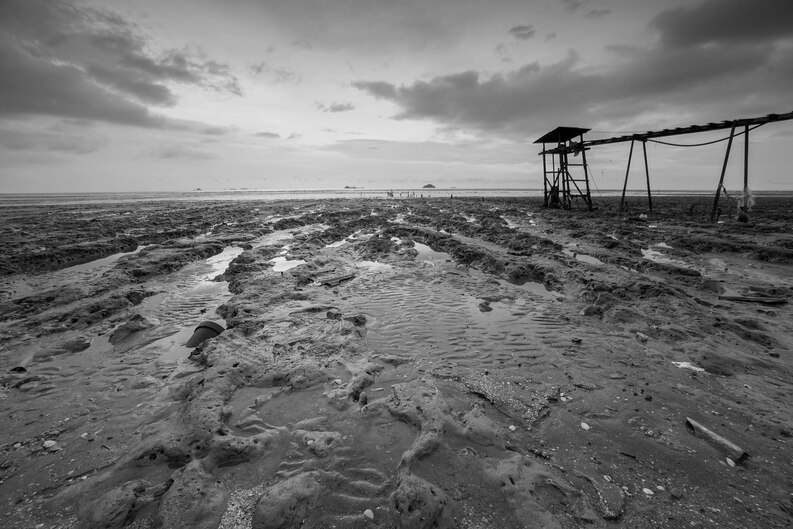
Each piece of the city faces the nonattendance of running municipal water from the area. Haitians pay significantly for their water supplies from trucks or tanks but still encounter harmful contamination issues. People living in poor and crowded communities of Cité Soleil and Martissant must risk their health to obtain water from polluted canal water and unprotected hand wells. People obtain their water from these sources despite their constant contamination by untreated waste products.
As Haiti’s primary water agency DINEPA manages water flow and hygiene duties across the nation. DINEPA fights daily with insufficient funds, weak budget management decisions, and unstable government leadership. Years of unjust dealings and untracked actions have left the agency unable to maintain its existing systems or develop solutions for future needs.
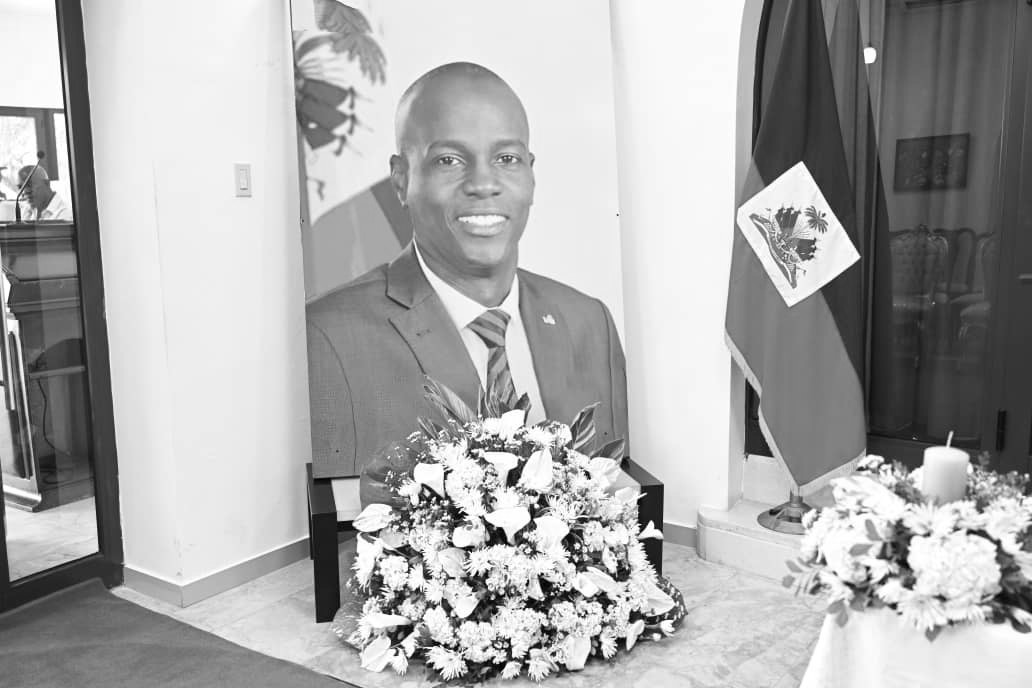
The nation has no effective central government since President Jovenel Moïse died in 2021 making administrative collaboration unfeasible. When no one leads the whole country the water crisis stays without proper solution. Most attempts at solving the problem are split between different organizations and do not work well together.
The water crisis brings main harm to everyone exaggerated by it. Cleanliness habits decline when there is no clean water available. Children mostly develop diarrhea along with cholera and typhoid as waterborne diseases affect them the most. Health officials state that cholera reappeared in 2022 following its absence since 2019 because people lacked access to safe drinking water and little hygiene facilities.
Port-au-Prince medical facilities that deal with multiple crises now handle more patients because of diseases and dehydration. People must spend a major part of their income to get safe water which worsens their financial situation.
Children in schools struggle to learn and take care of their health because of the unclean water supply. Schoolgirls have greater struggles with menstrual hygiene because they need basic facilities to handle their needs.
Many parts of Port-au-Prince face extensive gang violence which worsens the existing problems. Violent groups control most water delivery points in the region to limit public access or demand money to let people through. Delivery trucks bringing clean water to the public cannot access dangerous neighborhoods so communities stay without safe drinking water.
People living in Delmas and Croix-des-Bouquets can no longer reach water kiosks or standpipes because of dangerous gang violence that protects these sites. Residents face extreme danger while performing everyday duties because violence threatens all parts of their lives.
Gangs have intentionally harmed water facilities across multiple areas which disrupts safe supply operations. Faulty public security must be resolved before any permanent solutions can work in this unstable setting.
Civil society organizations and local communities have begun to take necessary steps to address the problems. Organizations within the community actively distribute water filters and teach safe hygiene practices while working to make the government deliver adequate solutions. Worldwide charities Water Mission and UNICEF work with the Red Cross to bring temporary water systems and construct new facilities in disaster zones.
Local villages now rely on temporary actions such as rainwater collection and shared tanks for water storage. They make a practical impact on the families they support through these limited operations.
Organizations that help people need limited money and struggle with supplying water to needy communities. People who work and volunteer in dangerous zones put themselves at high risk for their service. They find it hard to fulfill the increasing need for clean water due to the growing number of neighborhoods that need help.
The water harms of Haiti face additional challenges thanks to climate change. High temperatures combined with weather changes and multiple storms make it harder to maintain working water supply systems. Decreased water flow occurs from both natural droughts and floods which spread sewage and chemicals into drinking water supplies.
Mountaintop deforestation in Port-au-Prince’s region creates soil damage and fast flowing streams which make the groundwater reservoirs less able to refill. Concrete structures now dominate city areas which make rainwater unable to absorb naturally into the ground.
Using delayed climate planning and poor water resource management will make the water shortages program worse year after year.
Handling Port-au-Prince’s water disaster demands multiple parts in building a preparation system. Short-term solutions help save lives at once but the only permanent fix rests in changing all aspects of Haiti’s water supply system.
Haiti requires an organized water and sanitation plan to rebuild its systems and train professionals while educating all residents about proper water usage. The national water authority DINEPA needs funds and professional help to succeed in serving Haiti.Envelopment projects require basic security for them to work successfully. All workers responsible for managing water delivery need protection from violent threats to perform their duties.
Our programs must teach people about proper water handling and water preservation plus healthy habits. Each campaign should follow regional language and cultural traditions to make sure people understand the message.
The international funding network should work through plans established by Haitian authorities. External organizations tend to implement projects that lack official Haiti development goals. Haitians need to take the lead to make their own recovery permanent and lasting.
The clean water problem in Port-au-Prince shows us clearly that public structures and government management serve as base human needs. To solve this daily water emergency the need for immediate collective answers becomes stronger by the thousands.
Haiti’s capital faces this water emergency even though its actual reasons developed from years of political inattention to crumbling institutions and environmental damage. The issue will take strong work but the solution remains attainable.
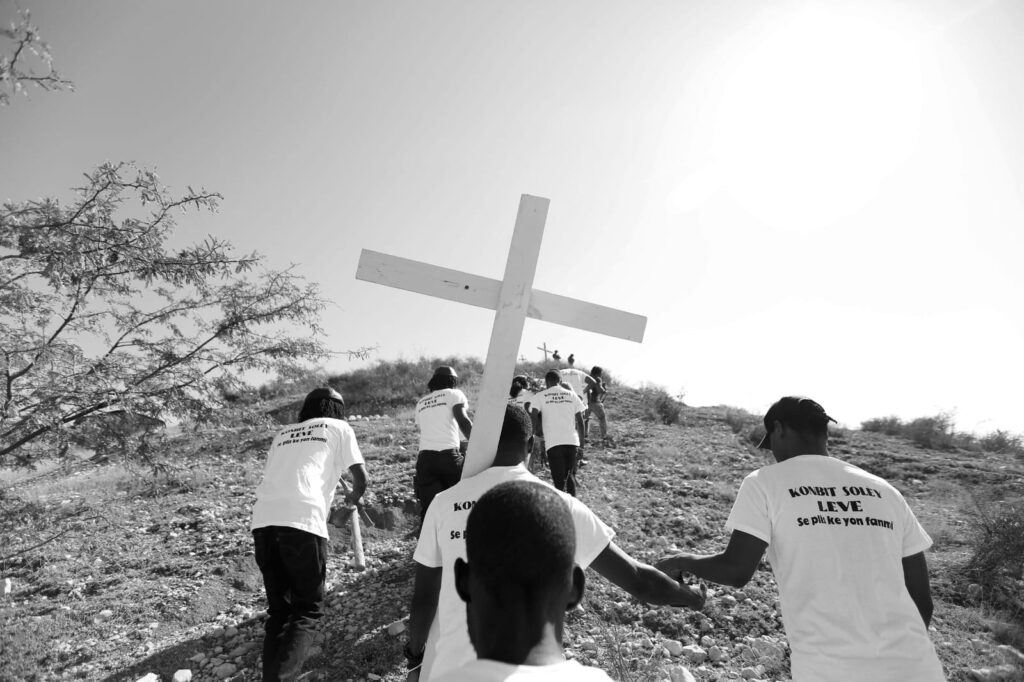
The city can make progress against its water crisis when it supports sustainable projects, empowers residents, and builds back public trust and safety across Port-au-Prince. The people of Haiti have a basic right to safe drinking water which they require more than ever before.