
March 15, 2026


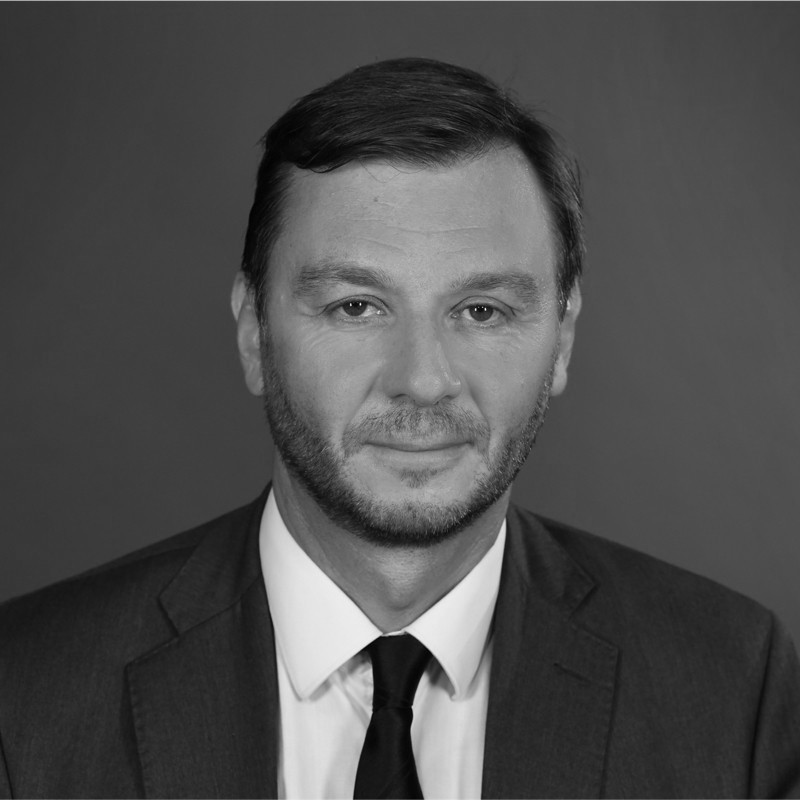
Haiti has long been integrated into regional cocaine trafficking routes, a phenomenon that has significantly worsened in recent years. “The country, like all others in the region, including our territories, is exposed to a very sharp increase in cocaine trafficking, mainly from Colombia, with part transiting through Venezuela,” said Antoine Michon on Tuesday, January 6, 2026, on France 24.
For the Ambassador of the French Republic accredited to Haiti, this criminal reality directly explains the rise of armed gangs. He states that “the explosion of gang violence is linked to the explosion of cocaine trafficking in Haiti.”
In response to this situation, the fight against drug trafficking is at the heart of France’s engagement in the country. “It is a major concern for us in Haiti, and one of our priorities is to help authorities combat cocaine trafficking,” the diplomat insists.
Antoine Michon recalls that cocaine is one of the main sources of funding for armed groups. Added to this are extortion practices, notably kidnapping, which strengthen their economic and territorial grip.
The consequences are, according to him, unprecedented on the security front. Citing United Nations figures, the ambassador mentions “more than 5,000 deaths in 2025” and a wave of kidnappings affecting all social categories, mainly in the West, Artibonite, and Central departments.