
March 15, 2026


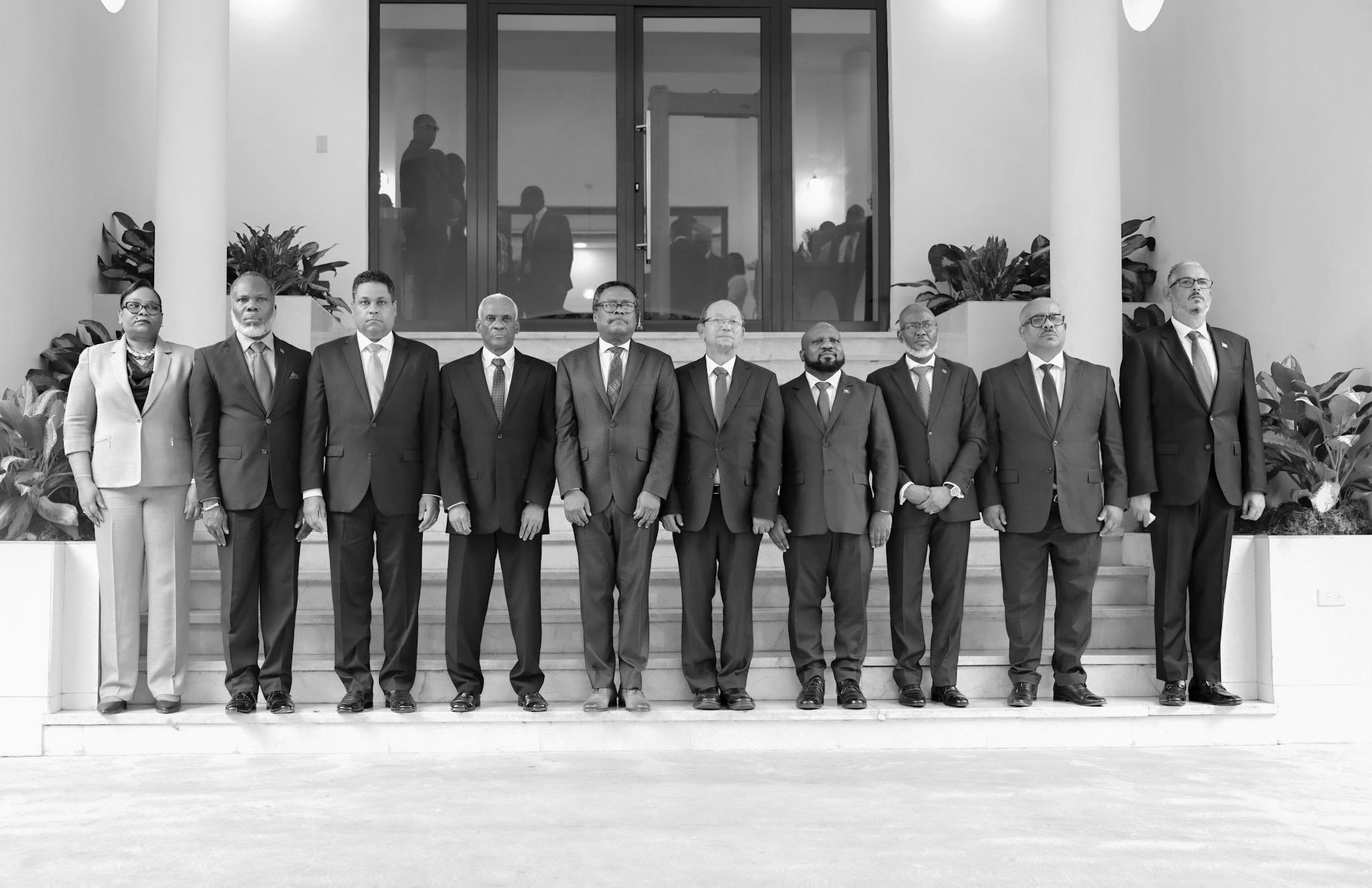
Several Haitian political parties and civil society organizations have begun, ahead of the end of the Presidential Transitional Council’s mandate scheduled for February 7, 2026, a series of consultations to define an alternative to the current institution by aiming for a national commitment pact. According to the Rally of Progressive National Democrats (RDNP), this preparatory work seeks to harmonize divergent proposals in order to present a credible governance framework to political actors and the population.
In this process, the April 24 Initiative, represented notably by former senator Jean Renel Sénatus, insisted on the idea of entrusting the transition to a judge of the Court of Cassation, despite disagreements among its supporters. This proposal, advanced by several coalitions during demonstrations and sit-ins, sought to make the judiciary the central axis of crisis resolution, asserting that the Transitional Presidential Council had failed to restore institutional and security normalcy.
At the international level, the Organization of American States (OAS) reiterated its call for a formal national agreement before February 7 to avoid an institutional vacuum and encourage a peaceful transition, while committing to support inclusive dialogue after that date. OAS officials publicly argued that urgent, consensus-based action is needed to guide Haiti toward credible elections, given the risks of political deadlock as the deadline approaches.
In this tense context, Bishop Pierre-André Dumas of Anse-à-Veau and Miragoâne agreed to play the role of national mediator among political, economic, and civil society actors. His initiative, requested by some fifteen coalitions and supported by certain international institutions, aims to bring divergent positions closer before the February 7 deadline, but it has been rejected by other political actors, who believe that mediation should not replace direct negotiations or impose a single framework on an already fragile process.