
March 17, 2026


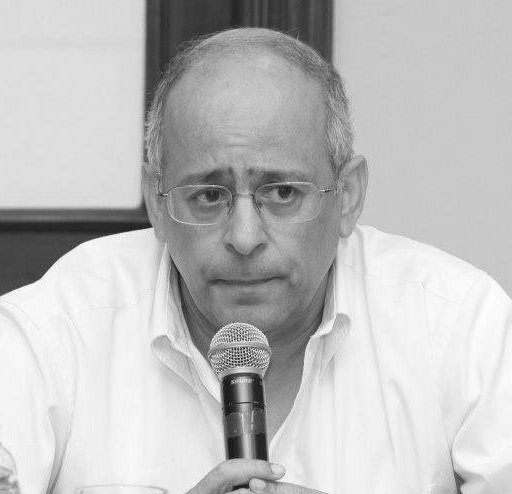
Since mid-November 2025, the Haitian National Police (HNP) has been investigating a controversy involving businessman André “Andy” Apaid Jr. Several videos circulating online show disturbing scenes: what appear to be a drug-processing facility (marijuana, cocaine) and human remains. The footage is linked to a site associated with Apaid in Lilavois and connected to the “400 Mawozo” gang.
HNP spokesperson Garry Desrosiers confirmed that the videos are being taken seriously. Investigators are working to authenticate the footage, identify the locations, and reconstruct the context. Meanwhile, the Haitian Network of Anti-Corruption Journalists (RHAJAC) denounces official silence, accusing key institutions—including the DCPJ, CONALD, and the Ministry of Justice—of failing to respond.
This scandal does not appear in a vacuum. Apaid Jr. was sanctioned by Canada in June 2023 alongside gang leaders such as Joseph “Lanmò San Jou” Wilson (400 Mawozo), Innocent Vitelhomme, and Johnson André “Izo.” The sanctions cited “gross human rights violations,” including allegations of sexual violence, and froze his Canadian assets and barred him from entering Canada.
Apaid has rejected the accusations, claiming he does not finance gangs and that his business activities provide jobs in industrial and agricultural factories.
Apaid is a member of a powerful economic elite. He heads Alpha Industries, one of Haiti’s largest manufacturing companies, and was a driving force behind the “Group of 184,” a coalition that opposed President Jean-Bertrand Aristide in 2002–2003.
Reports suggest the group played a decisive role in the February 2004 coup. Evidence indicates Apaid funded gangs—including in Cité Soleil—to undermine Aristide, offering money and visas to gang leaders to turn against the government. During rebel advances, diplomats, including senior U.S. officials, reportedly contacted Apaid to “moderate” armed groups.
After Aristide’s ouster, economic elites such as Apaid supported the interim government and reportedly benefited from tax exemptions, land allocations, and advantageous contracts.
The Apaid case illustrates long-standing claims: deep entanglement between Haiti’s economic elite and armed groups. These oligarchs are not passive investors but political actors who use financial power to shape criminal and political networks, creating a cycle where insecurity boosts their influence and protects them from prosecution.
Canadian sanctions view this oligarchy as a threat to Haiti’s stability and human rights. But the recent investigation—touching on drug trafficking and possible killings—could go further, revealing direct links between organized crime and the economic elite.