October 25, 2026


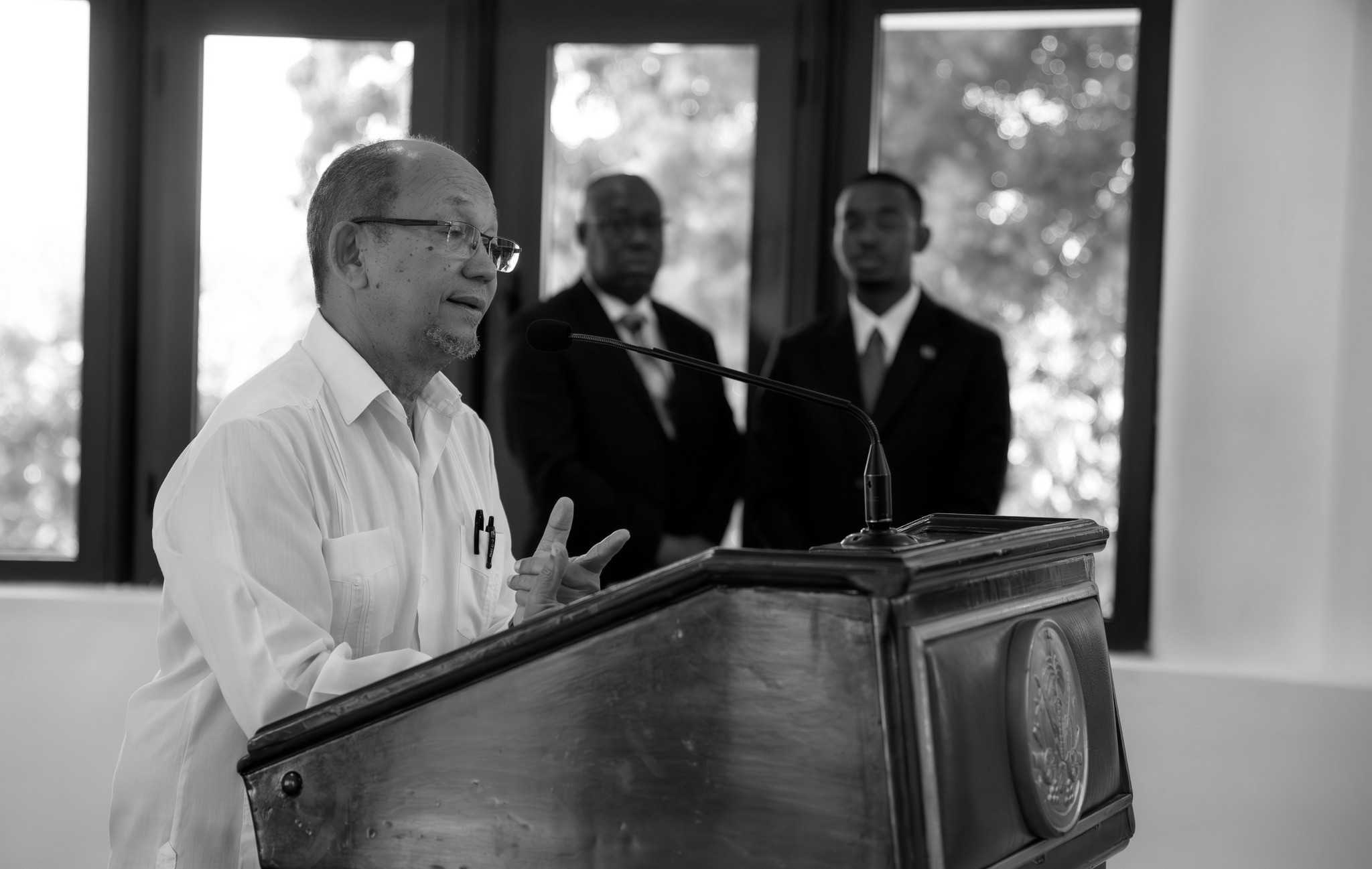
As the mandate of the Transitional Presidential Council (TPC) is legally set to end on February 7, 2026, Haitian political actors are intensifying negotiations to prevent an institutional vacuum and define a governance formula acceptable to at least “60% of the political class,” as confirmed by Leslie Voltaire in Jérémie on January 12. The formula in question must also be validated by the international community, specifies the Fanmi Lavalas representative within the TPC.
The talks now include discussions with political parties and civic groups to forge consensus on the conduct of the State after the TPC’s departure and to implement a shared governance plan. Political voices continue to contest certain mediations, such as that led by the Catholic Church, arguing that they lack neutrality, highlighting persistent tensions within the national landscape just weeks before the deadline.
At the international level, the Organization of American States (OAS) has declared itself ready to support inclusive political dialogue after February 7, with the aim of backing a peaceful and credible transition. This initiative is part of a broader effort by the international community to accompany Haiti in restoring security, organizing elections, and stabilizing institutions, while respecting Haitian sovereignty in leading the process.
The February 7 deadline, resulting from the April 3, 2024 Political Agreement, is enshrined in the legal framework stipulating that the TPC “respects its signature” and will withdraw from its functions as of February 8, 2026.