September 18, 2026

Andy Apaid and Charles Henry Baker were finally questioned by the BLTS (anti-narcotic unit) on November 25, after several days of awkward silence from Haitian authorities. Despite the seriousness of the accusations, the DCPJ (Police Department) refrained from releasing any details, confirming once again the unusual caution afforded to certain private-sector actors.
The revelations of November 6 and 7, made by Lanmò San Jou, showed far more than a few suspicious plantations: bags of substances resembling drugs, facilities suggesting a makeshift laboratory, and, most notably, human bones found on land belonging to the Apaid family. These findings fueled suspicions of organ trafficking—a scandal of such magnitude that the state should have intervened immediately had it involved ordinary citizens.
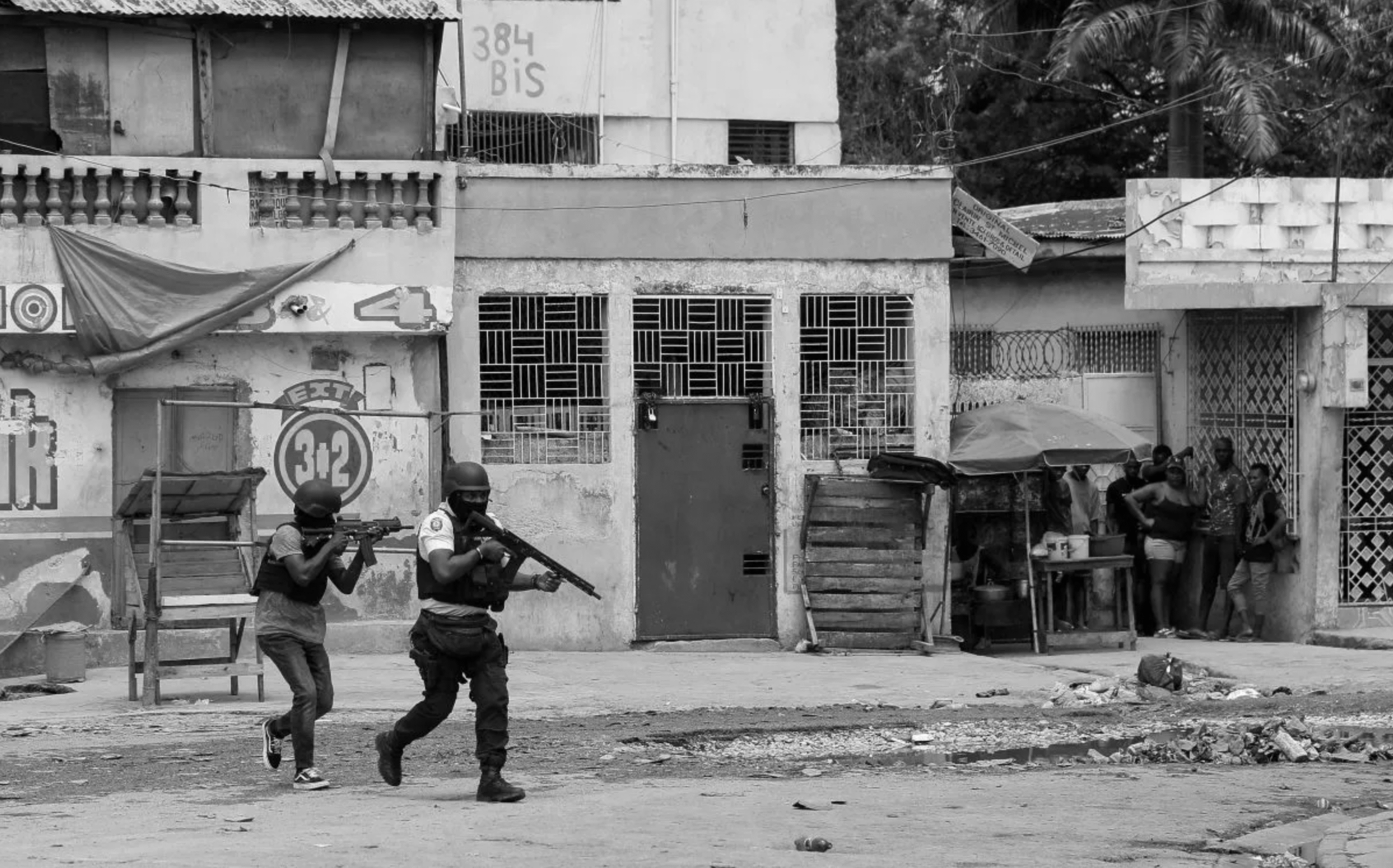
Instead of acting decisively, the Haitian National Police (HNP) carried out, a week later, a spectacular operation in the stronghold of the 400 Mawozo gang, mobilizing a helicopter and specialized units without directly addressing the allegations against the Apaids. The show of force, conducted around November 14, appeared more like an attempt to regain control of the media narrative than a real effort to shed light on the accusations.
The November 25 hearing once again illustrates a double standard: when dealing with ordinary citizens, the DCPJ is known for rapid and harsh interrogations; when facing two powerful businessmen, the same institution suddenly adopts excessive caution and a respectful tone. The country now awaits not symbolic action, but firm conclusions—otherwise this case will only reinforce the perception of a justice system designed to protect the influential.