
August 1, 2026



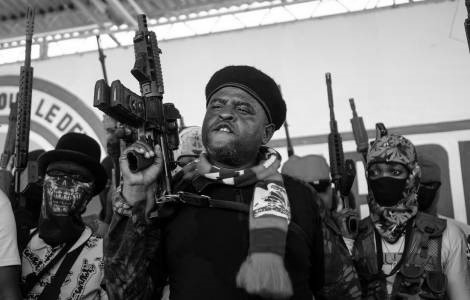
Over two days, Haiti’s capital saw a sharp escalation in armed violence, including attacks directly targeting U.S. forces and specialized Haitian National Police (HNP) units, highlighting rapid deterioration in an already fragile environment.
On November 13, U.S. Marines deployed to protect the American embassy came under fire in Tabarre, an area targeted by the criminal coalition Viv Ansanm. Captain Steven Keenan confirmed that “Marines supporting embassy security operations came under fire,” and responded in a disciplined manner.
According to the Marine Corps spokesman, this was “the most significant” incident against U.S. personnel in Haiti this year. No casualties were reported.
The Washington Post notes that the American diplomatic mission has been regularly exposed to gunfire and explosions since violence surged in 2024–2025. The U.S. State Department and Southern Command have remained silent on the new attack.
The next day, a helicopter supporting a police operation in the Cul-de-Sac plain was shot at while flying over Morne à Cabri. The aircraft made an emergency landing, requiring ground teams to rescue the eight officers onboard.
PNH spokesman Garry Desrosiers said the helicopter was destroyed after landing to prevent it from falling into the hands of armed groups. This rare but deliberate act reflects the immense threat facing police operations.
These attacks show the increased capacity of criminal groups to target strategic national and international entities and underscore the Cul-de-Sac region’s ongoing role as a major conflict zone.