August 2, 2026



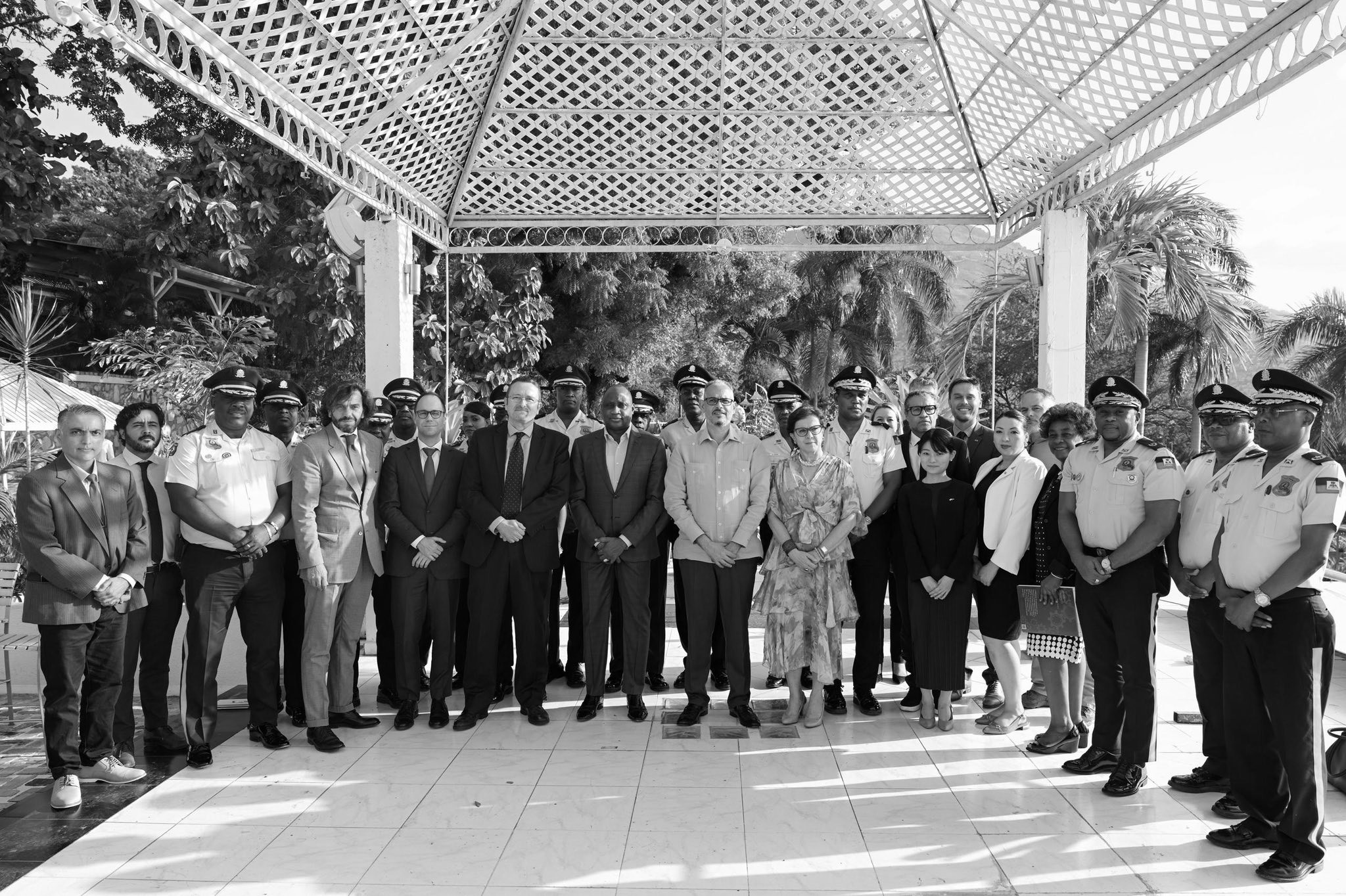
Prime Minister Alix Didier Fils-Aimé launched a national campaign in Port-au-Prince to boost women’s participation in the upcoming elections. Under the slogan “No democracy without women,” he promotes political inclusion and has allocated 3 billion gourdes to enhance women’s representation in a male-dominated system.
However, this seemingly progressive initiative faces a harsher reality. Haitian law already requires a 30% quota of women on electoral lists—a rule rarely respected, as parties routinely circumvent it through symbolic nominations. In practice, women remain relegated to secondary roles or pressured to accept degrading conditions to gain political opportunity.
Political sexism remains rampant. Many women leaders speak quietly about humiliating proposals from institutional or party officials, turning political access into a degrading marketplace instead of a competition of ideas. This contrast between official discourse and ground realities undermines the credibility of the campaign.
While the initiative is supported by international partners such as UN Women and promotes national heroines like Sanité Bélair and Catherine Flon, it ignores deep cultural barriers. The government’s claim of “40% women in the CEP” sounds impressive but masks the lack of real authority held by these new members in a system still controlled by male elites.
Beyond slogans, true change depends on breaking the vicious cycle of political patriarchy. As long as women must choose between dignity and opportunity, no reform—however well-funded—will bring real transformation.