
August 1, 2026



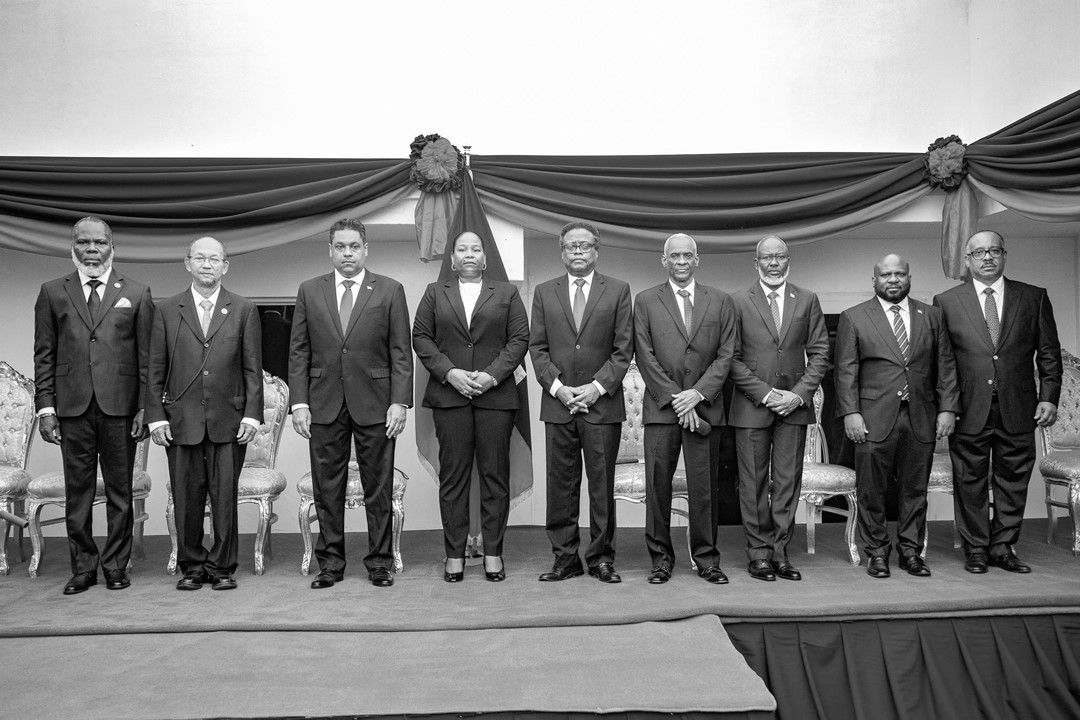
The White House has set February 7, 2026 as the end date for the mandate of Haiti’s Transitional Presidential Council (TPC), a deadline that highlights the deep limitations of the structure meant to guide the country toward stability. Since its creation, the TPC has been undermined by corruption scandals and fraudulent maneuvers, distracting from its core mission and severely eroding public trust.
The political parties that constitute the TPC , instead of promoting dialogue and transparency, have often prioritized partisan calculations and opaque alliances. This politicization has stalled any serious reform efforts and allowed criminal groups to flourish, making insecurity the dominant feature of the transition.
According to diplomatic sources, the U.S. chargé d’affaires in Haiti, Henry Wooster, has multiplied meetings with local political leaders to build consensus around the February 7 deadline. Washington hopes to avoid an institutional vacuum, but the need for externally imposed solutions reveals the TPC’s inability to create an autonomous and credible governance framework.
A consensus-style government formula—combining a provisional president chosen by the parties with technocratic leadership—is currently being considered to stabilize the transition and prepare for elections. However, this approach may not be enough to restore the legitimacy of an authority weakened by past scandals and the paralysis of the current transitional structure.
February 7, 2026, now stands as a turning point for Haiti, marking both the end of an ineffective TPC unable to curb corruption and insecurity, and the continued triumph of violence over political and social life.