
August 2, 2026


The Diègue neighborhood in Pétion-Ville is facing a worrying cholera outbreak that has already claimed three lives. Local authorities have confirmed at least 127 cases of infection, while emergency medical teams are working on the ground to contain the spread.
Since the beginning of 2025, more than 2,500 cases have been recorded across the country, signaling a troubling resurgence of a disease once believed to be under control. The Ministry of Public Health and Population has activated an emergency plan targeting the metropolitan area, where high population density and poor sanitation are worsening the situation.
Measures implemented include the distribution of chlorinated water, the deployment of a health Task Force, and public awareness campaigns on hygiene practices. Suspected cases must now be reported immediately to departmental health authorities to avoid delays in response.
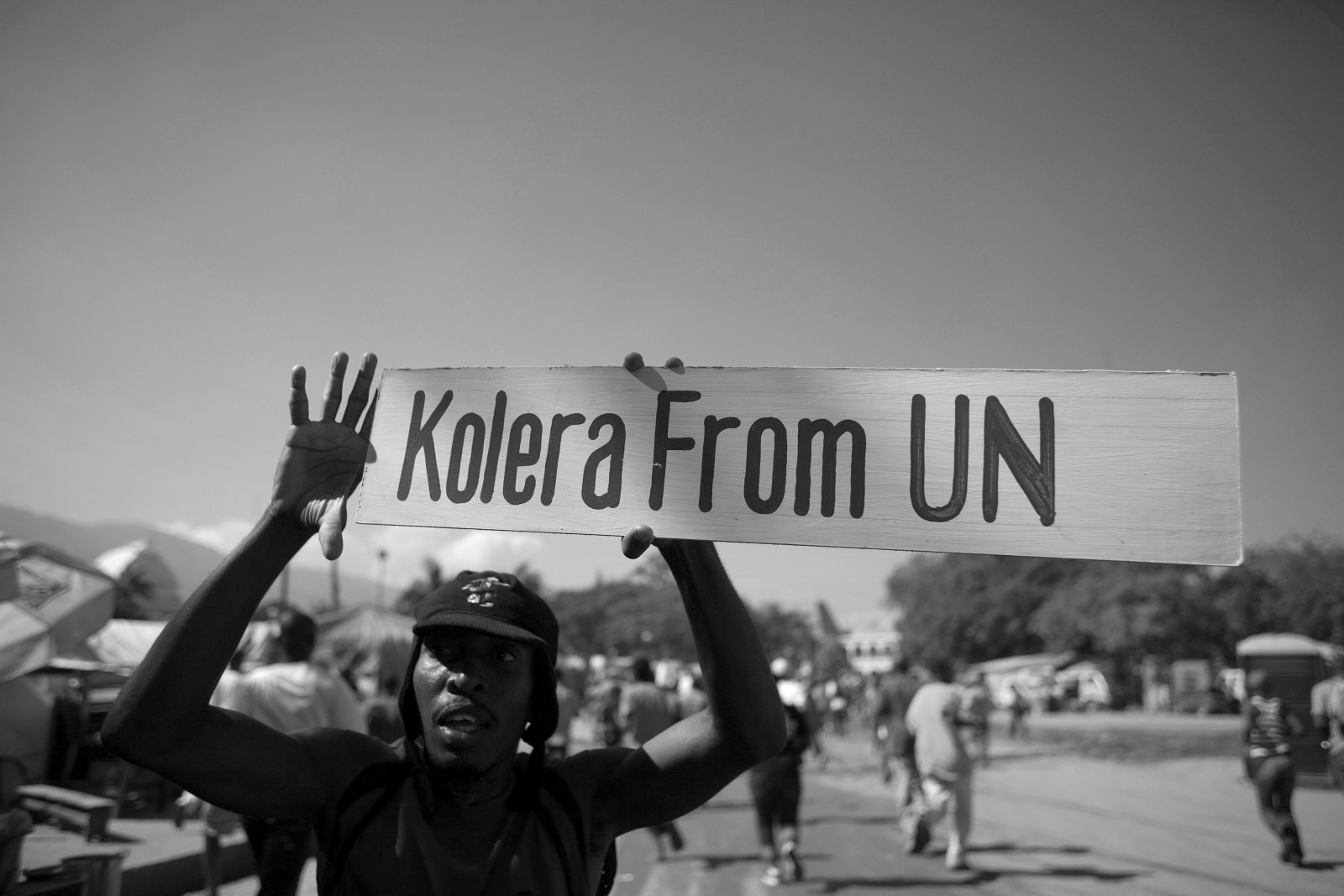
This resurgence recalls the dark days of 2010, when the epidemic—introduced in the aftermath of the earthquake by Nepalese UN Soldiers—devastated the country. Over eight years, more than 819,000 people were infected and nearly 10,000 died, according to official figures.
Despite its declared eradication in 2019, experts say the Vibrio cholerae bacterium never completely disappeared from the country. Health authorities are calling for heightened vigilance, fearing that the current crisis in Pétion-Ville may signal the lasting return of the disease.