August 2, 2026



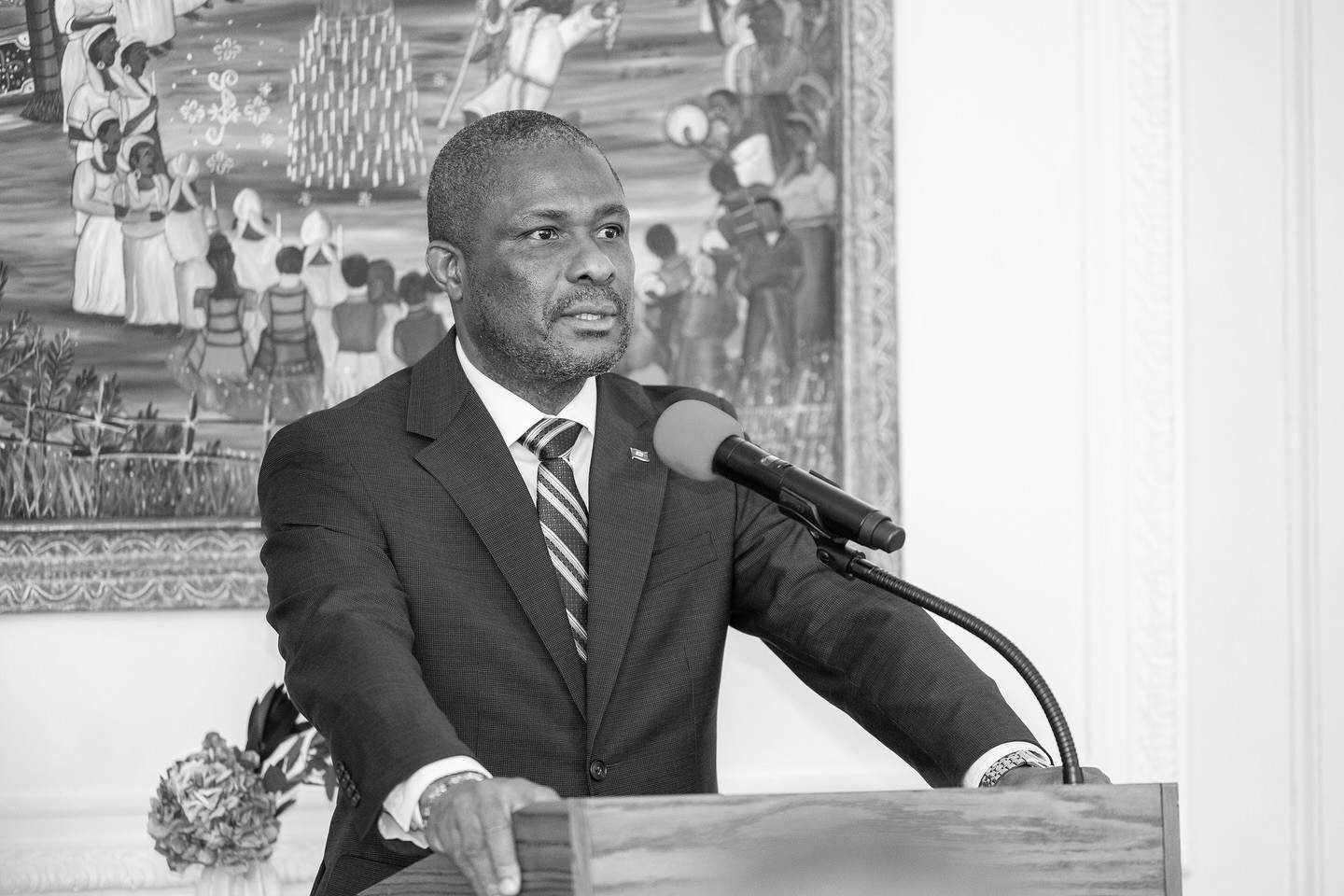
At the 24th edition of “Tuesdays of the Nation,” Foreign Minister Jean-Victor Harvel Jean-Baptiste attempted to redefine the direction of Haitian diplomacy, promising modernization and efficiency. But behind the stock phrases, the country continues to pay the price of a chronic lack of strategic vision in its foreign relations, turning its diplomacy into a mere political showcase.
Appointed after the controversial dismissal of Dominique Dupuy, Harvel Jean-Baptiste has struggled to convince that he embodies the promised renewal. His announcements about “modernizing the MAEC” and the “Diplomacy 2025–2050” project amount more to a communications exercise than a coherent foreign policy, in a context where Haiti has never clearly defended its interests in international forums.
The recent decision by the U.S. State Department, demanding the immediate departure of several Haitian diplomats accused of abusing the Vienna Convention, illustrates the depth of the malaise. These forced recalls reflect a system corroded by clientelism, where diplomatic posts too often serve as political rewards rather than instruments of national representation.
Despite announcements about training new staff and opening a regional office in Cap-Haïtien, Haitian diplomacy remains trapped in a machinery marked by favoritism and disorganization. Appointments are made on the basis of partisan loyalties, not competence, while embassies become spheres of influence for personal networks.
By promising a “National Conference of Ambassadors,” Harvel seeks to project an image of restored order, but the facts speak for themselves: the country has neither regional influence nor a clear international strategy. As long as Haitian diplomacy remains a tool of patronage rather than a lever for development, it will continue to symbolize the moral and institutional failure of the state.