October 25, 2026

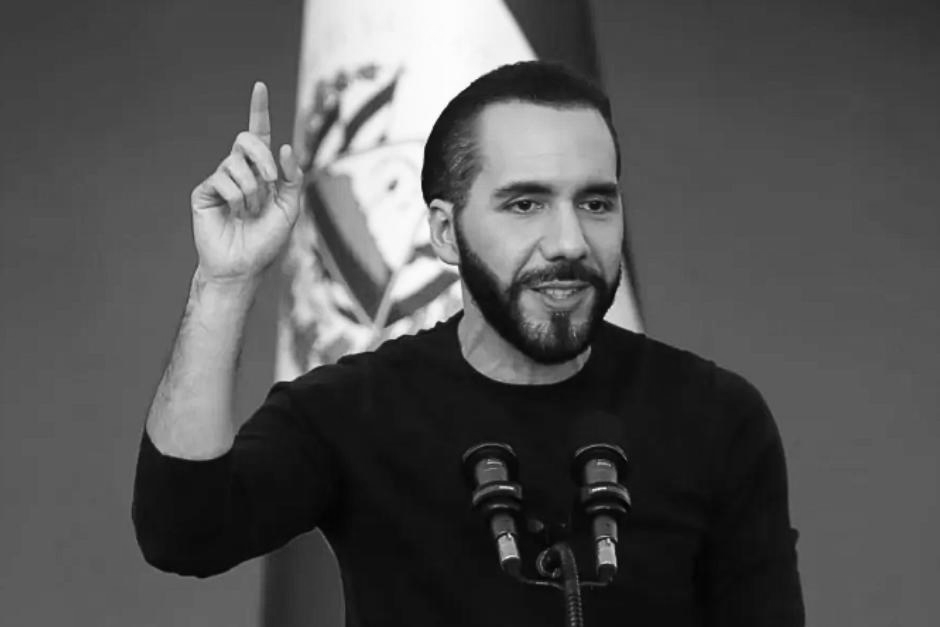
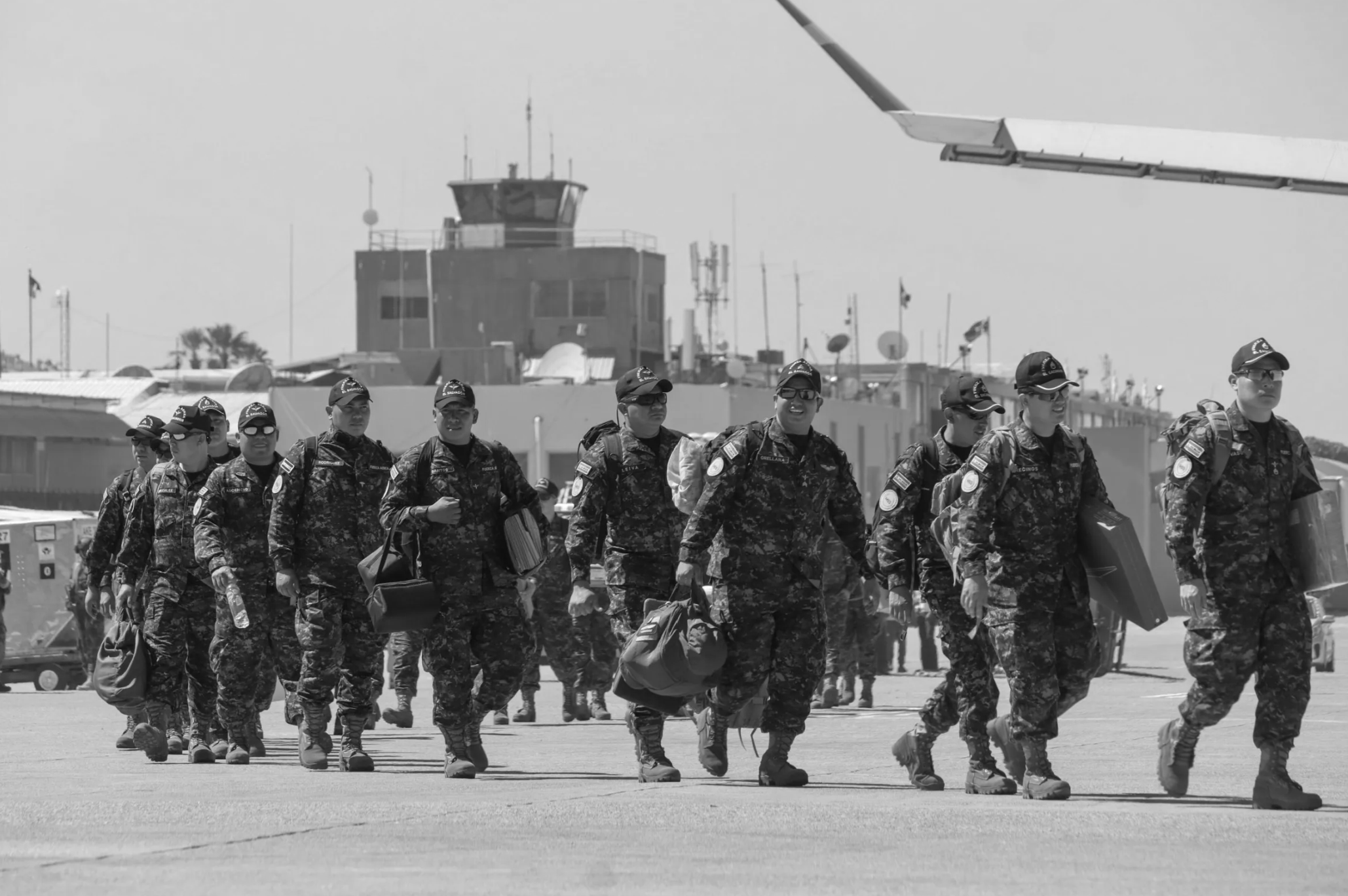



Due to the increasing rate of displaced citizens across the country, the government has publicized the starting of a new specialized hotline service focused on providing immediate assistance, information, and support. This initiative “Safe Connect” is part of a wider plan concerning the needs of individuals and families who have been uprooted from their residences because of armed conflicts, natural disasters, or any other emergencies.
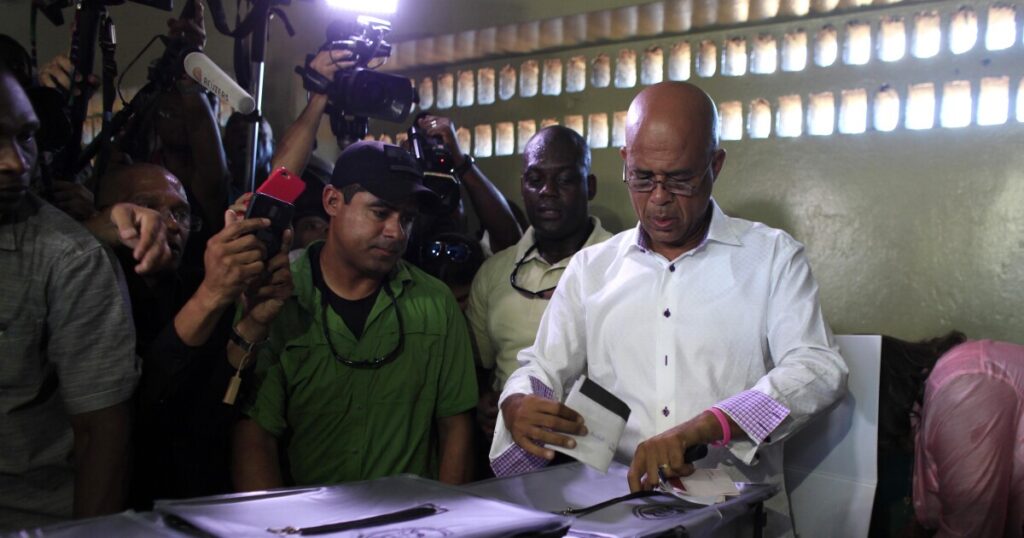
With the introduction of this hotline, the government hopes to resolve the gap between displaced people and the resources accessible to them, assuring that no one is unattended in times of need.
For more than a few years now, the displacement crisis has been deteriorating due to a mixture of political unrest, climate change-induced natural disasters, and ongoing wars in neighboring countries. Once prosperous communities have been shredded to pieces which have resulted in thousands being homeless and lacking basic necessities, healthcare, education, and even job opportunities.
Humanitarian organizations report a growing population of internally displaced people, which is undoubtedly creating barriers to social cohesion and overall country development. The government tries to respond to such needs by developing frameworks that can swiftly provide intervention for the treatment of the displaced.
The hotline aims at addressing the problems of the displaced on a broader scope. It operates every day of the week and on public holidays, providing round-the-clock professional help aimed at assisting people in accessing shelter, emergency medical assistance, food, legal, and psychological services. This 24/7 availability ensures that displaced individuals can reach out for help at any time, regardless of when a crisis occurs.
Alongside providing real-time referrals and information, the hotline will be gathering critical data marking the contours of displacement. This will allow the government, together with humanitarian organizations, to adjust strategies and target resources appropriately. The real-time feedback loop helps fine-tune emergency responses and optimize support systems.
Additionally, the service will be multilingual to address vulnerable populations without gate keeping them with language barriers, ensuring that no one is left behind due to a lack of communication options. This inclusivity fosters a more equitable response to the displacement crisis, ensuring that everyone has equal access to the assistance they need.
The hotline operates toll-free accessibility because the government made partnerships with major telecommunications providers. The development of both mobile applications and website versions for the hotline service will make it accessible through digital channels.
The established hotline received public exposure through television broadcasts as well as radio programming and social media distribution points to notify displaced citizens about the hotline support system. The government devotes specific resources toward areas that mainly rely on non-mainstream media since these places lack easy access to mass media communications. Refugees located in temporary shelters can reach the hotline through satellite phone teams which are providing mobile support and service in camps that lack mobile phone access.
The government clarifies that the Safe Connect effort functions independently but complements other current initiatives. Several partnerships exist between local NGOs and international humanitarian organizations along with community-based groups to create harmonized efforts.
The hotline will connect callers to non-government organizations which specialize in housing matters and health services and legal aid in addition to child protection. Through this collaborative structure the institution will immediately route callers to the service organization which offers the precise support that suits their requirements. The United Nations High Commissioner for Refugees (UNHCR) together with the International Red Cross has provided their commitments through technical support and additional resources for necessary situations.
Within the framework of Safe Connect the initiative provides dedicated programs to support population groups who face particular risks during displacement. These include dedicated lines for:
The services within Safe Connect include protection measures against gender-based violence and reproductive healthcare with safe shelter accommodations for women and girls.
The program provides education support to children followed by family investigation services for lost minors along with psychological counseling.
The support system includes trained counselors who provide immediate emotional support while offering trauma counseling to assist displaced persons in handling their severe psychological distress.
The government implements its comprehensive plan to direct displacement actions across Ukraine.
Safe Connect stands as a fundamental element of the National Displacement Response Plan which the government actively implements. The NDRP enables the government to build new replacement housing while creating mobile healthcare centers and educational programs for children who need temporary accommodations.
As the NDRP communication foundation the hotline prevents any displaced citizen from being lost in the system. The authorities along with partners have committed to regular feedback-based system improvements for the hotline service through both user feedback and partner organizational feedback.
Food Administration recognizes that additional hurdles still stand in the way of progress despite the development of the Safe Connect hotline. Long-term commitment will be needed to maintain proper staffing levels together with sufficient funding and operational integration of the hotline. Ongoing conflicts and severe damage to infrastructure create challenges for officials who want to reach displaced individuals in their areas of operation.
However, the government is optimistic. The government works to expand hotline operator training together with satellite communication investments and Artificial Intelligence technology deployment to process a large number of requests in forthcoming years.Category 2 of the Plan must focus on developing trust relationships among displaced population groups. People who experienced violence along with neglect and exploitation during their lives show hesitation when they need to contact official organizations. Effective service delivery will depend on building open communication with citizens and ordinary people because these measures will help break down existing barriers.
Safe Connect started its soft launch during the previous month and processed more than 25,000 emergency calls where operators offered medical evacuations and shelter services. Users who provided early feedback about the hotline experienced positive results due to the courteous manner and professional approach present in everyone answering calls.
This mother of three taking refuge from flooding reported that she finally experienced understanding from someone when she reached the hotline. They provided us not only attention but secured accommodation for my children and me during the same evening.
The early achievement exposures have strengthened people’s trust in the government’s capability to handle humanitarian aid effectively.
The establishment of Safe Connect hotline represents a pivotal moment for the nation to tackle intricate displacement difficulties. Thousands of displaced citizens now have access to a dependable system for obtaining help and critical services through a simple solution that the government implemented.
Though obstacles persist the vision shows a dedicated approach to place disaster-impacted individuals as lead participants in recovery initiatives. The investment into Safe Connect combined with its innovative features shows great potential to revolutionize both emergency response management and community recovery efforts after crises.