
July 29, 2026


The World Bank introduced an extensive Emergency Development Strategy for Haiti because of the worsening humanitarian situation and social-economic turmoil. This international collaboration stands as a major initiative to help Haiti face its urgent matters and develop resistant capacities within one of the most at-risk countries in the western Hemisphere.
The nation of Haiti continues to endure severe problems generated by unstable politics and natural disasters together with pervasive poverty and underdeveloped institutions. Evidence indicates that the condition of Haiti has progressively deteriorated since last few years through economic decline and rising prices along with increasing violence and diminishing basic public service capability. Multiple areas within Port-au-Prince suffer from total stagnation due to explosive gang conflicts which also block communities from receiving essential services such as medical care and education along with clean water access.
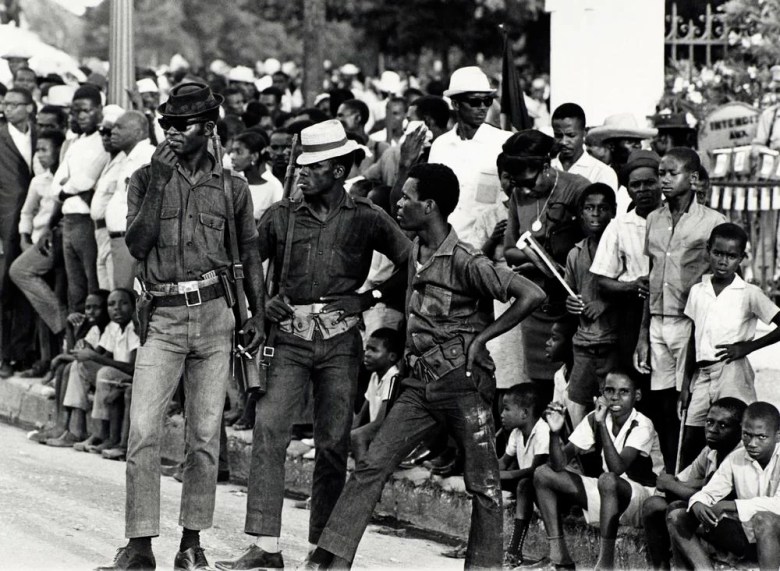
The governance structures in Haiti have reached high levels of weakness. Haiti faces a critical situation since 2021 because the country lacks an elected president while every transitional government has failed to bring stable order. In this context the World Bank implements emergency relief through an approach which combines fast relief with permanent systemic change.
Through its Emergency Development Strategy the World Bank develops four essential pillars that focus recovery efforts across four distinct national areas.
Building essential public service access stands as one of the immediate priorities which needs urgent resolution. Haiti’s communities currently face the problem of missing schools together with operational clinics and water systems completely without service. The strategy features strategic funding to rebuild damaged facilities together with the delivery of healthcare materials and education supplies for health centers and school reopening initiatives.
Maternal and child health services along with vaccination programs and malnutrition relief programs receive detailed focus in this plan. The education sector will prioritize child school attendance through food distribution programs and teacher development and counseling for students experiencing violence and trauma.
The essential priority for Haiti lies in economic rehabilitation because poverty affects more than 60% of the population while unemployment reaches dangerous heights. Through funding from the World Bank the organization will finance both SMEs and agricultural sectors and infrastructure projects to construct employment openings and encourage economic development.
Through microcredit programs and vocational training and local cooperative support system communities will receive empowerment which leads to self-reliance. The World Bank seeks to create both socio-economic independence and local resilience in Haiti through its support for domestic growth sectors while enhancing rural economic conditions.
According to the strategy it is understood that sustainable development requires operational government institutions therefore structural changes are prioritized for institutional improvement. The World Bank plans joint efforts with civil society elements along with interim leadership to develop improved mechanisms for rule of law transparency and accountability.
The strategy contains three main digitalization initiatives which focus on public financial systems alongside procurement reform as well as capability building for Ministries of Finance, Ministry of Education, and judicial institutions. The fight against corruption remains core to the strategy because it seeks to reestablish trust between the public and their government institutions.
Security plays an essential part in development according to the World Bank although it does not organize military or police operations directly. The framework contains programs that operate at the community level to fight violence and develop social cohesion between neighbors.
The Bank supports programs that target youth participation with conflict management education together with city rejuvenation projects which build secure public realms. The Bank works alongside local NGOs to deliver assistance to violence and gender-based abuse victims through legal representation together with counseling and shelter provision.
Funding for the initial phase originates from World Bank grants combined with concessional loans together with co-financing arrangements involving the IMF and IDB and UNDP institutions to amount to $500 million.
The strategy puts strong emphasis on successful Haitian stakeholder cooperation during its implementation. The World Bank meets with leaders from communities and religious institutions and women’s organizations and local administrative bodies to create programs that follow local culture and community direction
A well-developed monitoring and evaluation (M&E) system from the World Bank assists in assessing the success of the Emergency Development Strategy. Public progress updates will be distributed regularly beside independent audits of funding usage to protect against misappropriation.
A special task force known as the Haiti Accountability Task Force will supervise programming through its team of civil society leaders, academics and independent observers who generate recommendations to enhance program successes. Silent involvement of Haitian citizens serves to boost their autonomy while increasing their direct involvement in rebuilding the nation.
The strategy meets with both positive expectations from some groups and doubting perspectives from others. The initiative finds support from Haitian citizens because it acts as their key survival tool particularly among individuals residing in economically disadvantaged rural and low-income urban locations. The people of many communities feel that they need their essential services back along with economic possibilities that have been delayed too long.
The effectiveness of international initiatives to address Haiti’s core stability problems faces criticism from different stakeholders. Previous international aid initiatives received criticism because they displayed weak management systems and poor top-down planning. Additionally they were seen as unsustainable. The World Bank maintains its focus on a recovery process led by Haitians who will implement programs utilizing their community knowledge and capabilities.
Public observers from worldwide institutions generally support the new initiative. The UN Secretary-General António Guterres described this development as the key process for restoring Haitian people’s dignity alongside peace and opportunity. CARICOM has backed the initiative while requesting regional initiatives that would strengthen the approach.
The World Bank’s Emergency Development Strategy establishes a strong initiative to stop the deteriorating situation in Haiti. Linking humanitarian assistance with institutional renovation and financial investment provides Haiti with an integrated rebuilding strategy even though reconstruction paths remain challenging.
The approach clearly recognizes that Haiti requires long-term strategies because short-term solutions alone will not suffice for resolving its core problems. Through such integrated approaches one understands Haiti can reemerge stronger because proper coordination between empowering communities and long-term dedication by multiple stakeholders ensures a productive future.