September 24, 2026

Since decades Haiti has stood as the resilient Caribbean country that celebrates its cultural background while battling political economic and societal difficulties. Recent years have brought severe problems that create a total political crisis through absent leadership combined with criminal organizations and poor governance structures. During this political crisis civil society groups use their strength to push for stopping the prolonged impasse and presenting solutions that will rebuild democracy. People want Haiti’s crisis handled peacefully by national and global organizations in response to their overwhelming discontent.
Years of poor governance along with voting delays and democratic structure breakdowns have created the present political impasse in Haiti. The brutal assassination of President Jovenel Moïse caused a sudden loss of leadership power in July 2021. Since President Moïse’s death interim Prime Ministers ran the country despite lacking a cooperating legislature and empowered president. Both political factions cannot agree on Haiti’s rules while lacking elections to choose official government representatives. The results are continued deadlocks that block Haiti’s people from having recognized representatives.
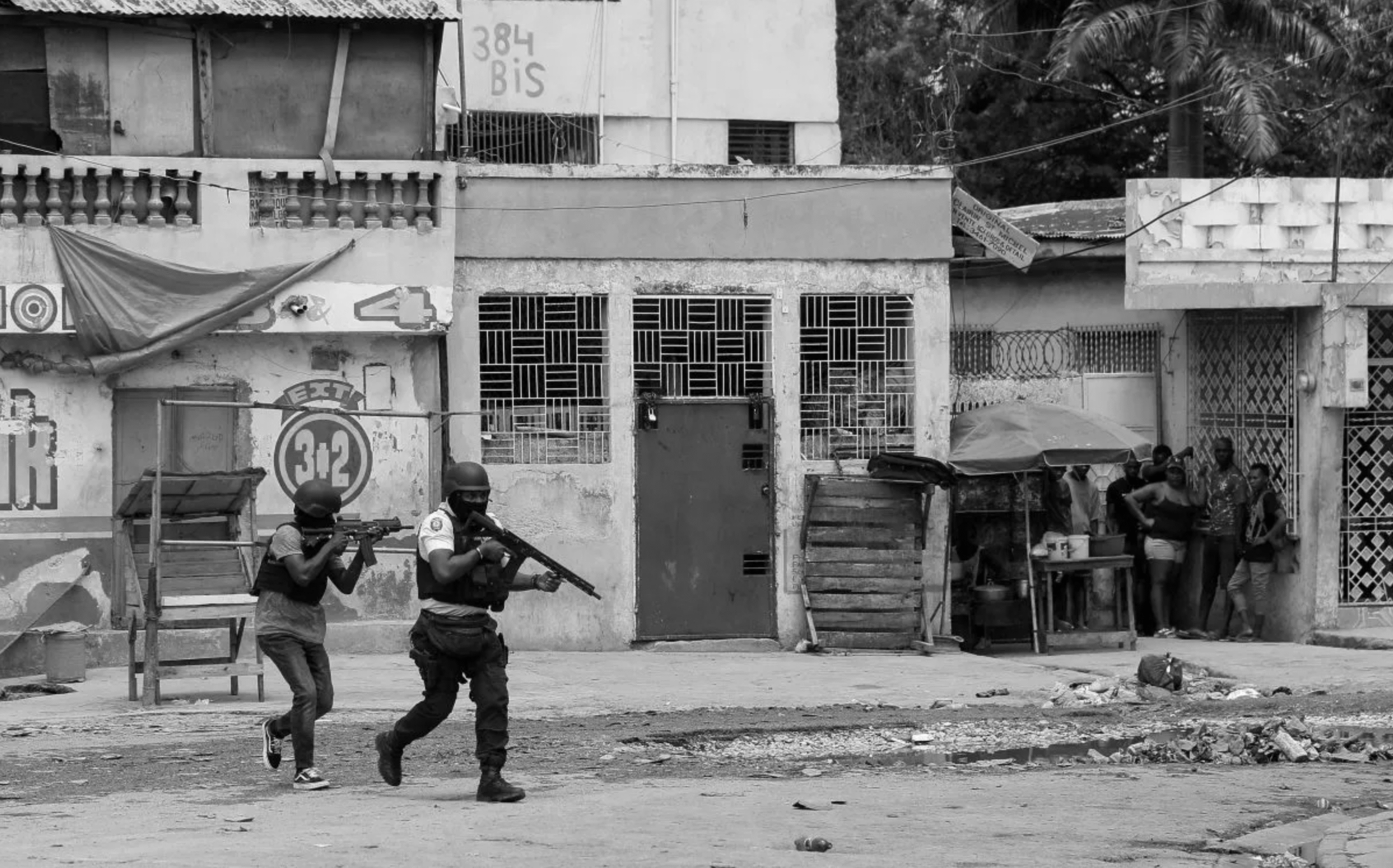
Gangs seized control of significant parts of both Port-au-Prince and other regions throughout the country to create dangerous safety risks. The essential operations of daily life don’t exist anymore and people do not rely on government authorities. The absence of legal government makes civil society organizations stand out by planning democratic frameworks while supporting civil freedom demands.
When the political system fails to lead Haiti effectively the country’s community organizations have grown louder and stronger in their actions. Partnerships between religious groups, human rights advocates, youth and women activists, business leaders, and local community organizations push for change from political leaders and outside organizations.
People and organizations emphasize that Haiti requires official governing structures to make progress. They push for a temporary government that should return democratic guidelines and arrange democratic choices while reconstructing the nation’s services. Their requests depend mostly on their belief that justice must prevail while higher levels of public involvement boost democratic rule.
The Montana Accord stands out as a broad-based civil society coalition between political figures civic leaders and members from the Haitian diaspora. The Accord requests a society-led administration to oversee the nation toward elections. Civil society continues its efforts to resolve the political impasse but meets resistance while demonstrating its determination to solve these problems by meeting and discussing with all parties involved.
The civil society movement requests international backing that builds Haitian capacity instead of dictating foreign directions.
Despite their growing role, civil society groups in Haiti face significant challenges. These groups run their work while facing daily dangers from organized criminal groups and corrupted government officials. Some leaders live in constant fear of being killed while protesters must protect themselves from the use of force. Basic support and essential services prove hard to scale since the organization needs funding and basic operating equipment.
The political system produces many small factions that make cooperation impossible. Everyone in civil society has different opinions about how to progress today. Different parts of civil society support putting power with a new team right now but others fear politicians would seize control through the system. Civil society groups must unite their own members first to effectively represent the entire movement.
International players generate further challenges to the situation. Throughout its history foreign nations and international bodies have taken control of Haiti’s political system. Some civil organizations endorse international assistance but others insist foreign participation duplicates past problems of ignoring community representatives.
Over the past several months civil society groups have achieved positive results through their protest efforts. Haiti’s parallel government allows restricted conversations between itself and nonprofit groups thanks to both national and worldwide influence. The United Nations and Organization of American States now support efforts led by Haitian people.
Through discussions sponsored by CARICOM different Haitian stakeholders from civil society and leadership groups agreed on how to set up a temporary government. Despite the slow pace of change society organizations prove that they will participate in deciding Haiti’s destiny.
Local people lead conferences and learning events plus peaceful demonstrations. People demand a democratic system before they can achieve peace and progress together.
Haitian people who live abroad help strengthen the civic organizations working for change. Members of the diaspora leverage their resources to support domestic leaders and boost their message worldwide. Through foreign lobbying the diaspora has successfully changed official expectations in other countries that support Haitian-led democratic changes.
Media organizations and independent reporters face tough conditions while teaming up with civil groups to provide citizens with truthful news and guard against wrongdoing from government officials. They need to be present to detect power abuses and show true governance operations.
Civil society groups in Haiti makes their plea for ending political deadlock because surviving and holding their heads high as citizens depends on it. These national groups serve as moral defenders who stay strong against violent social unrest and political turmoil. Their mission is to bring back democracy while ensuring that justice prevails for all Haitians to decide their nation’s path.
Organizations outside government need help to succeed in their mission. Their work requires genuine backing from national and foreign policymakers to let Haiti control its future decisions and develop indigenous solutions. Only through this recovery can Haiti take steps towards creating a better society while fixing its broken systems.
International observers need to pay attention to both Haitian politicians and civil society members speaking up in every part of the country to create positive change.